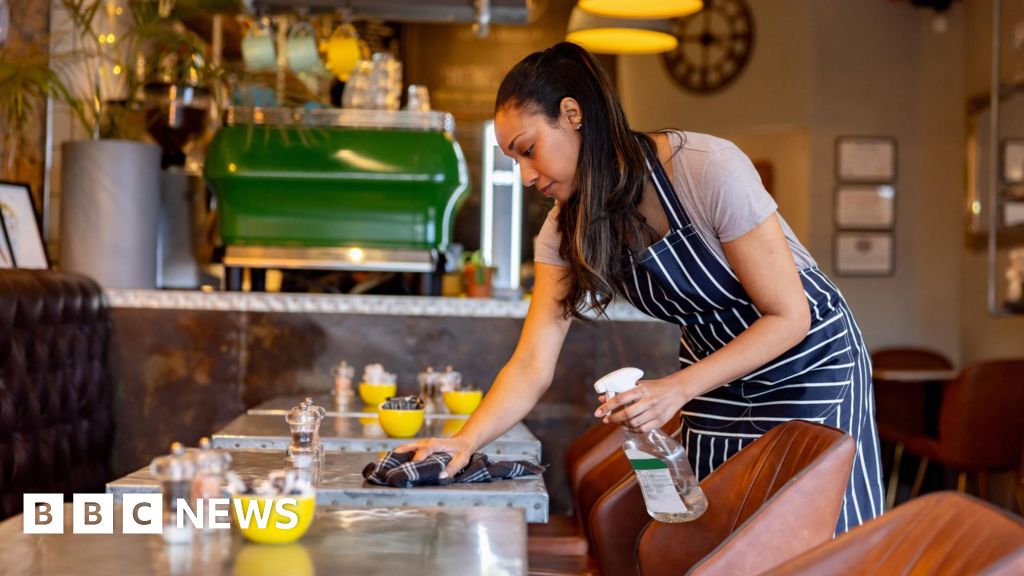
A widely anticipated World Cup jobs boom failed to materialise in June, as US restaurants, bars and hotels cut 61,000 positions, according to the Bureau of Labor Statistics (BLS). Analysts had expected the tournament, co-hosted by the US, Canada and Mexico, to drive significant hiring in the leisure and hospitality sector, but the data showed a sharp reversal from May's gains.
The June report from the BLS, released on Thursday, showed total nonfarm payrolls increased by 57,000, while the unemployment rate dipped to 4.2%. The leisure and hospitality sector, which includes bars, restaurants and hotels, was the main drag on headline employment.
May's World Cup Optimism Reversed
Early signs of a World Cup boost appeared in May, when the BLS reported that bars and restaurants had ramped up hiring, adding 44,000 jobs. Economists at Goldman Sachs had projected that the tournament would lift June employment by around 40,000 positions. Instead, the sector saw a net decline of 61,000 jobs in June, according to the BLS.
| Month | Leisure & Hospitality Jobs Change | Total Nonfarm Payrolls Change | Unemployment Rate |
|---|---|---|---|
| May 2026 | +44,000 (BLS) | Not available in source | Not available in source |
| June 2026 | –61,000 (BLS) | +57,000 (BLS) | 4.2% (BLS) |
Analysts React to Surprising Decline
James Knightley, chief US economist at ING, described the leisure and hospitality sector as a "real area of weakness" in Thursday's figures. "It is a bit of a surprise given the World Cup is on and bars and venues are busy," Knightley told the BBC. He acknowledged that the sector had experienced a 44,000 jump in May, but still called the June outcome "surprising."
Despite reports of travelling football fans drinking bars across the US dry, the broader trend reversed. The BLS's previous release had indicated early signs of a jobs boom in May, but that momentum was not sustained.
Broader Labor Market Context
Outside the hospitality sector, the US labor market added 57,000 jobs in June, and the unemployment rate edged down to 4.2%, the BLS reported. The modest overall gain suggests the economy is still adding jobs, albeit at a slower pace than earlier in the year. The unexpected contraction in leisure and hospitality employment raises questions about whether the World Cup will provide the sustained boost that some forecasters anticipated.
For executives and investors monitoring consumer spending and travel patterns, the June data signals that pandemic-era staffing surges may have peaked. The sector's volatility around the tournament underscores the challenges of predicting short-term employment impacts from major events.