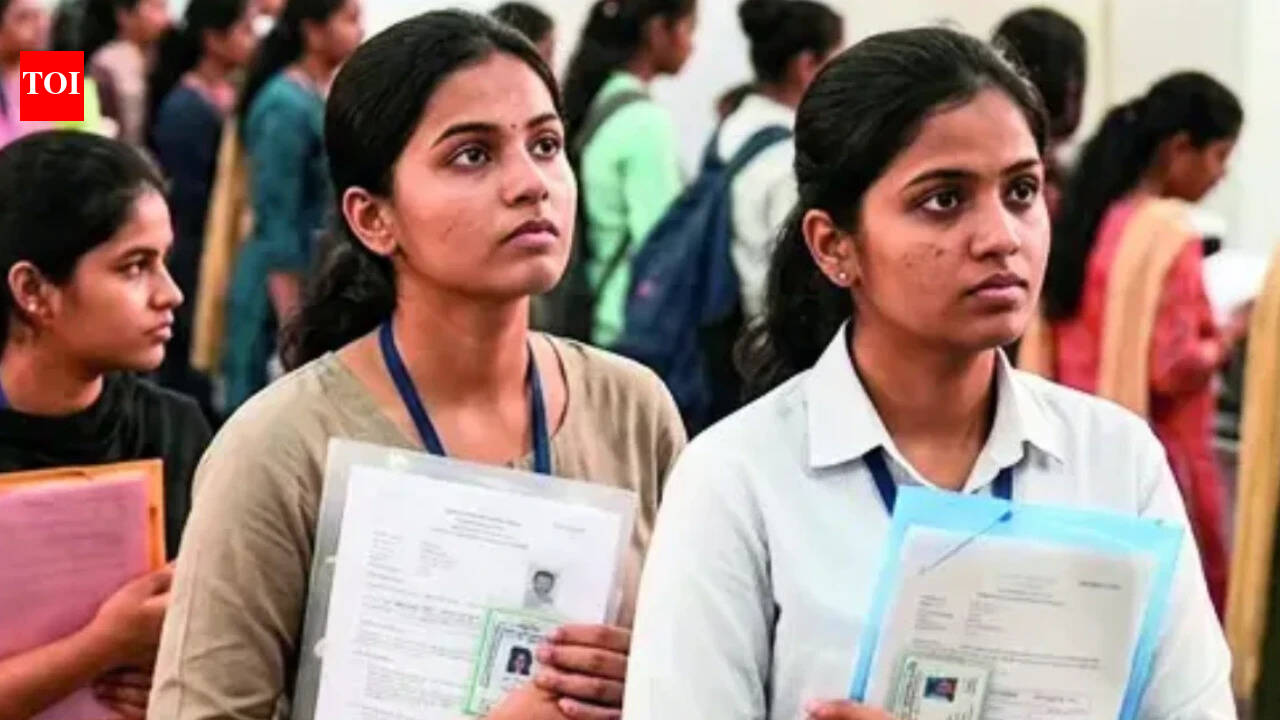
The National Statistical Office (NSO) on Wednesday released the latest monthly Periodic Labour Force Survey (PLFS) data, showing that India's unemployment rate (UR) held steady at 5.5% in June 2026. However, the headline figure masks a widening gender gap as female unemployment rose and labour force participation declined for the fourth consecutive month.
Gender Divergence in Unemployment
According to the NSO data, the female unemployment rate in current weekly status (CWS) rose to 5.9% in June from 5.6% in the previous month. In contrast, the male jobless rate dipped slightly to 5.3% from 5.4%. The current weekly status measures activity over the seven-day reference period preceding the survey; a person is considered unemployed if they did not work even for one hour but sought or were available for work for at least one hour during that week.
| Indicator | June 2026 | Previous Month | Change |
|---|---|---|---|
| Overall UR | 5.5% | 5.5% | No change |
| Female UR (CWS) | 5.9% | 5.6% | +0.3 ppt |
| Male UR (CWS) | 5.3% | 5.4% | -0.1 ppt |
| Female LFPR | 32.7% | (Feb high: 40% rural) | -4th monthly decline |
| Overall LFPR | 54.4% | 54.2% (year ago) | +0.2 ppt y-o-y |
Sharp Decline in Female Labour Force Participation
The female labour force participation rate (LFPR) — the share of women working or looking for work — slid for the fourth consecutive month to 32.7% in June, driven by a sharp decline in rural areas. Rural female LFPR fell to 36.6% from a high of 40% recorded in February 2026. The overall LFPR remained unchanged at 54.4% in June, marginally higher than the 54.2% recorded a year earlier.
Implications for Corporate Strategy and Investors
For C-suite executives and investors tracking India's labour market, the steady aggregate unemployment rate of 5.5% suggests a stable but not improving employment environment. However, the rising female unemployment rate and the sustained decline in female labour force participation — especially in rural areas — signal a growing gender disparity that could affect talent availability, wage dynamics, and consumer demand in sectors that rely on female workers or target rural households. Companies with diversity and inclusion targets may face headwinds as the pool of available female talent shrinks. Policymakers may need to address structural barriers to female employment to prevent the widening gap from dampening long-term economic growth. The NSO's next quarterly PLFS report will provide further detail on the trajectory.
Sources: