India's retail inflation rose to 3.93% in May, the highest reading under the country's revamped Consumer Price Index series launched in January, according to data released on Friday. The print, up from 3.48% in April, narrowly missed a Reuters projection of 4%, but remained below the Reserve Bank of India's 4% target for the 16th consecutive month, offering policymakers leeway to prioritise growth.
Inflation Trajectory and Policy Implications
The RBI has a mandate to keep retail inflation at 4% within a 2%–6% band for the five-year period ending March 2031. Despite the May uptick, the sustained period of subdued price pressures has allowed the central bank to hold interest rates steady. On June 5, the RBI kept the repo rate unchanged at 5.25% and maintained a neutral stance, citing risks from higher oil prices, currency weakness, and monsoon uncertainty.
Radhika Rao, Senior Economist & Executive Director at DBS Bank, noted that while a build-up in price pressures is being watched closely against the backdrop of the West Asia conflict, inflation remains below the mid-range of the target band and is "less of an immediate policy concern." She added that policymakers are monitoring upcoming prints as higher input costs filter through and weather-related risks unfold.
Food and Fuel Pressures
Retail food inflation climbed to 4.78% in May from 4.20% in April, with rural food inflation accelerating faster than urban areas. Key components showed divergent trends:
| Item | May 2026 | April 2026 | Change |
|---|---|---|---|
| Potato prices (YoY) | -23.71% | -23.66% | Slightly deeper contraction |
| Tomato prices (YoY) | +48.43% | +35.26% | Accelerated inflation |
| Electricity, gas & other fuels | +0.81% | +0.69% | Quickened |
| Transport inflation | 1.75% | — | — |
| Transport services for goods | 7.63% | — | — |
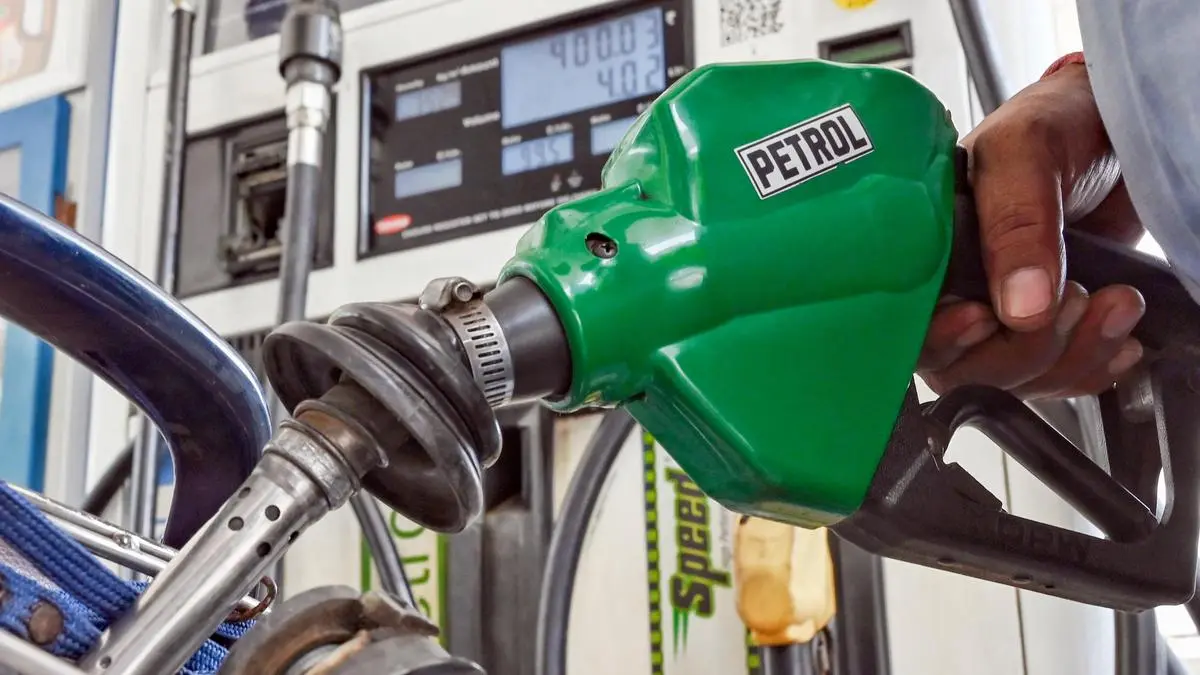
Fuel prices rose after state-run retailers increased prices four times in May, lifting transport costs. Food inflation also edged higher from a low base last year.
Economic Context and Risks
A sustained rise in energy prices could widen India's current-account deficit, weigh on the rupee, and add to inflationary pressures in the world's third-largest oil importer. A below-normal monsoon risks lifting food prices later in the year, complicating the inflation outlook.
Upasna Bhardwaj, Chief Economist at Kotak Mahindra Bank, described the sub-4% headline and core inflation as pointing to "comfortable trends in the near term." She noted that softening crude oil prices and a cap on the weakening rupee are tailwinds, but warned of adverse monsoon impacts on food inflation. Kotak expects 50 basis points of rate hikes beginning in October.
The data is provisional and subject to revision.
C-suite executives and investors should note that while current inflation remains manageable, the combination of rising fuel costs, monsoon risks, and global oil price dynamics could shift the RBI's policy stance later in the year. Continued monitoring of food and energy prices will be critical for corporate planning and portfolio allocation.
Sources: