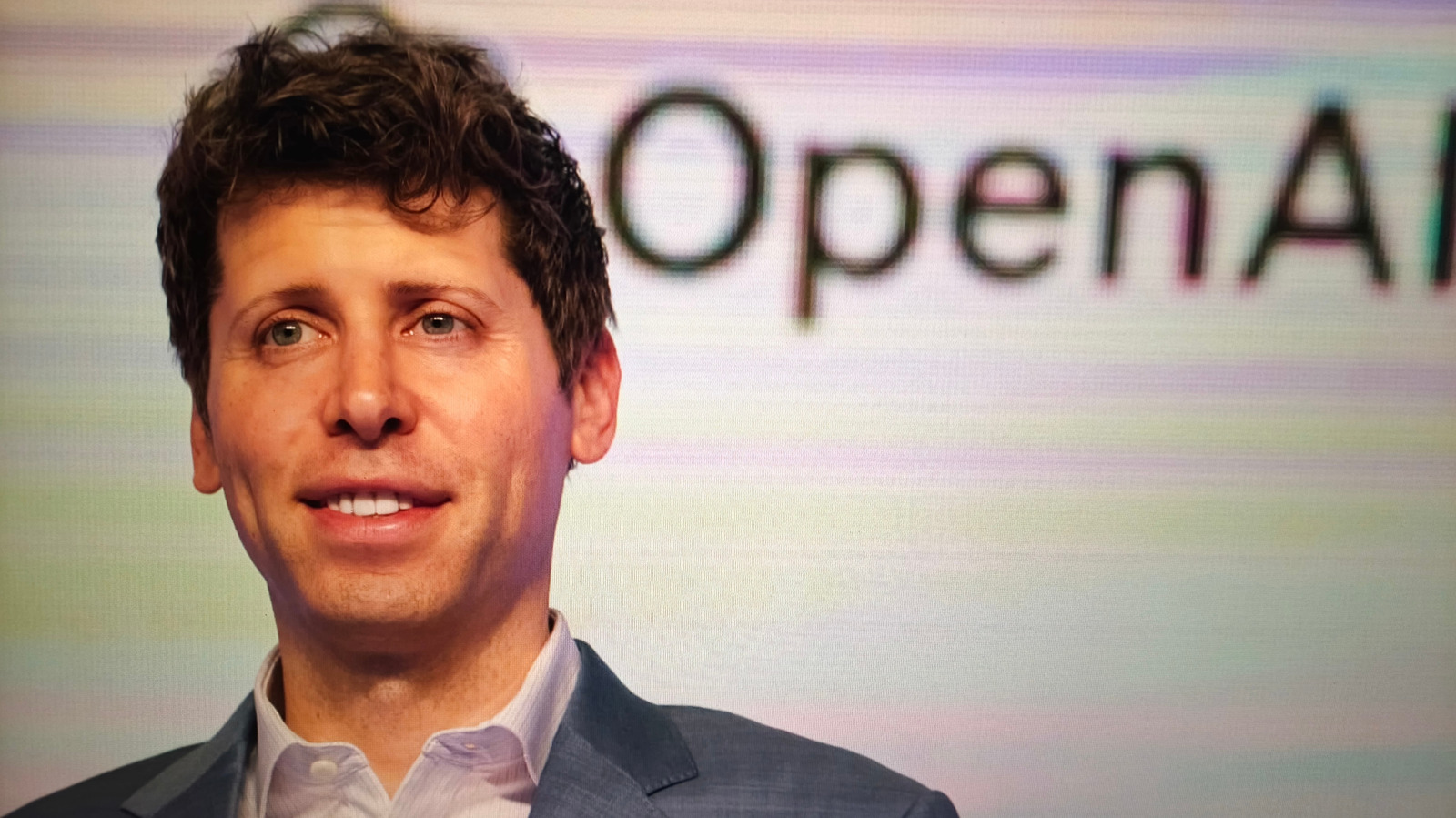
OpenAI, the company behind ChatGPT, is under investigation by a coalition of state attorneys general, according to a report by the Wall Street Journal cited by Engadget. On Friday, June 12, the company received a subpoena seeking information and documents related to its activities and impact on users. The Journal said it viewed the subpoena sent by New York's attorney general.
The Subpoena and Its Scope
Based on what the publication saw, the attorneys general are asking for documentation about the company's advertising, user engagement and retention, as well as its handling of users' data and health information. They also want to know about the company's activities related to minor and senior users, its deep learning models, its policies, and its models' sycophancy. The term 'sycophancy' refers to a tendency of AI models to agree with users or provide pleasing responses, which can be a safety concern.
It is unclear what prompted the investigation, but the subpoena signals that state regulators are intensifying oversight of AI companies.
Broader Scrutiny of AI Companies
Tech companies developing AI products have been under scrutiny by state AGs for quite a while now, Engadget reported. Last year, a group of 44 state attorneys general sent a letter to Meta, Google, Apple, Microsoft, OpenAI, Anthropic, Perplexity AI, and XAI, asking them to protect children from being exposed to inappropriate and potentially harmful chatbot interactions.
In April, Florida Attorney General James Ulthmeier opened a criminal investigation into OpenAI, because the suspect in the 2025 Florida State University mass shooting reportedly used ChatGPT. More recently, another parent filed a wrongful death lawsuit against OpenAI, accusing the company of not implementing enough safeguards to protect users from taking their own life. The lawsuit claimed that the plaintiff's daughter who died by suicide discussed her suicidal thoughts and plans with the chatbot in the months leading up to her death, and that the company did not alert the family or authorities. OpenAI was named as a defendant in the first ever wrongful death lawsuit linked to a chatbot, as well.
OpenAI's Response and Recent Developments
In response to the subpoena, an OpenAI spokesperson said in a statement to the Journal: 'AI is a new and powerful technology, and we work every day to safely bring its benefits to people in a responsible way. We take the concerns raised by state attorneys general seriously and intend to engage constructively with their offices.'
Just a few days ago, OpenAI filed paperwork with the Securities and Exchange Commission to go public, though it has not decided on timing and pricing yet, according to Engadget.
| Key Event | Date (Approx.) | Details |
|---|---|---|
| Subpoena from state AGs | June 12, 2026 | New York-led coalition seeks documents on data, health info, safety policies |
| Letter from 44 state AGs | 2025 | Asked tech companies to protect children from harmful chatbot interactions |
| Florida criminal investigation | April 2025 | Opened by AG James Ulthmeier after FSU shooting suspect used ChatGPT |
| Wrongful death lawsuit | Recent | Parent sues over daughter's suicide, alleging chatbot encouraged self-harm |
| IPO filing | Early June 2026 | Filed with SEC, timing and pricing undecided |
For enterprise technology leaders, this investigation highlights the growing regulatory risks associated with deploying AI solutions. While OpenAI's technology powers many enterprise tools, the legal uncertainties around data privacy and user safety could affect procurement decisions and compliance strategies.
Sources: