iGEN
Visit IGEN World Explore IGEN Expo
EXPLORE UPGRADE PLANS
BREAKING
CPKC sets second-quarter revenue record as operating income rises 10% Your Freight Funnel Is Leaking Margin: What Your Reports Won't Show Transponders Off: Saudi Crude Tankers for India Exit Red Sea 'Dark' to Avoid Houthi Blockade Nvidia’s Open Source Alliance Snubs OpenAI and Anthropic, Deepening AI Rift For the First Time, Zoox Can Charge People for Rides in Its Steering-Wheel-Free Robotaxis Chrome's AI-Driven Bug Hunt Spurs Twice-a-Week Security Patches, Google Reports Domestic Sugar Prices to Remain Firm in Short-Term, Says Triveni Engineering Saia’s Softer Q3 Margin Guidance Triggers 12% Share Drop Despite Record Q2 Results Buffalo meat and non-basmati rice lead 14% surge in India's Q1 agri exports Mahindra & Mahindra Records 34% Profit Jump Despite Commodity Cost Headwinds CPKC sets second-quarter revenue record as operating income rises 10% Your Freight Funnel Is Leaking Margin: What Your Reports Won't Show Transponders Off: Saudi Crude Tankers for India Exit Red Sea 'Dark' to Avoid Houthi Blockade Nvidia’s Open Source Alliance Snubs OpenAI and Anthropic, Deepening AI Rift For the First Time, Zoox Can Charge People for Rides in Its Steering-Wheel-Free Robotaxis Chrome's AI-Driven Bug Hunt Spurs Twice-a-Week Security Patches, Google Reports Domestic Sugar Prices to Remain Firm in Short-Term, Says Triveni Engineering Saia’s Softer Q3 Margin Guidance Triggers 12% Share Drop Despite Record Q2 Results Buffalo meat and non-basmati rice lead 14% surge in India's Q1 agri exports Mahindra & Mahindra Records 34% Profit Jump Despite Commodity Cost Headwinds
Home ›› Business ›› Markets ›› Indian ›› India aviation ministry launches study to strengthen financially troubled airlines

India aviation ministry launches study to strengthen financially troubled airlines

India's Union aviation ministry has initiated a study on financially stressed airlines to assess structural challenges and identify measures to improve sector resilience. The move, spurred by the ongoing West Asia crisis, seeks stakeholder input on policy, regulatory, and operational reforms. Airlines recommend bringing aviation turbine fuel under GST, revising airport charges, and implementing price surveillance on monopoly routes.

iG
iGEN Editorial
June 14, 2026
India aviation ministry launches study to strengthen financially troubled airlines

India's aviation sector, long plagued by chronic financial distress among its carriers, may finally see structural reforms as the Union aviation ministry launches a study on financially stressed airlines. According to a report by Business Today, the ministry has "initiated a study on financially stressed airlines in India to assess structural challenges and identify measures to improve sector resilience." The initiative comes amid the ongoing West Asia crisis, which the report suggests could pave the way for long-awaited reforms to build financially viable airlines.

Study scope and stakeholder consultation

The ministry has asked airlines and other stakeholders to suggest reforms in policy, regulatory affairs, operations, contracts, procurement-related, and other areas. According to the report, the government plans to push these reforms to "help mitigate financial distress and support the sustainable growth of the airline sector in India." A senior airline official told the publication that reforms have been known for years and must be implemented before more carriers join the long list of failures—GoAir, Jet Airways, and Kingfisher Airlines.

Airlines' reform wishlist

Airlines have submitted a detailed set of proposals, according to the report:

  • Aviation turbine fuel (ATF) under GST at 5% so it is fully recoverable against output GST.
  • Remove GST on international flights.
  • Single 5% GST slab for air tickets (not separate for business class).
  • Reverse bidding of airports based on the lowest airport charges for airlines and consumers, as opposed to the current practice of seeking the highest revenue share bid per passenger.
  • Price surveillance on monopoly routes (routes with less than two players).

Another top airline official added:

"Apart from the mandatory ATF under GST, import duty on engineering spares and parts needs reforms. Airport charges need to be reviewed, as if they keep rising, the cost of air travel will only increase. The readiness of airports to park the hundreds of aircraft that Air India group, IndiGo, Akasa and other carriers will get over the next few years has to be reviewed minutely. Flying training and maintenance training organisations need to be ramped up in both quantity and quality in India, given the aircraft orders of Indian carriers."

Current state of Indian airlines

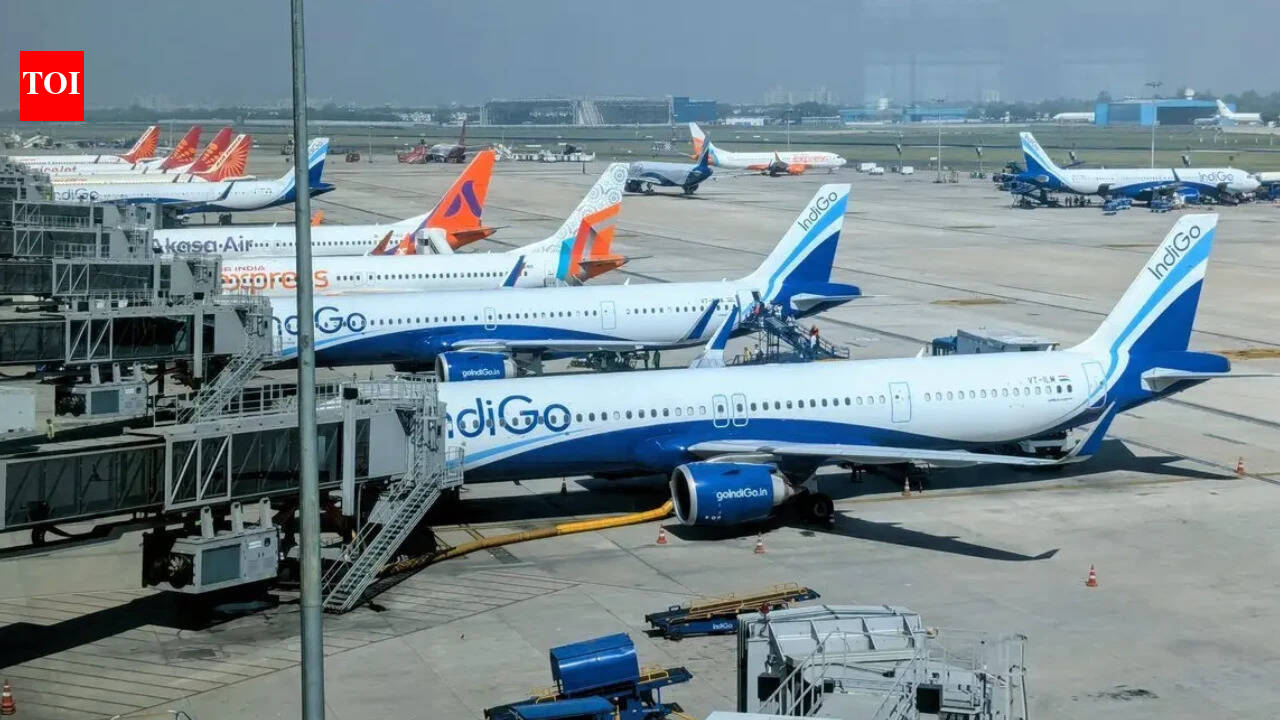
According to the report, IndiGo was considered India's only profitable airline, but has now flown into the red. Air India's losses have led to serious concerns in Bombay House (the Tata Group headquarters). Emerging airlines including Akasa, Star Air, Fly91, and smaller players are also struggling. The report quotes an official who said, "The issues afflicting aviation in general and airlines in particular are systemic in nature due to which save IndiGo and Tata-basked AI group, there are no financially strong airlines in India."

Temporary measures amid West Asia crisis

The West Asia crisis has prompted the Indian government to provide more support to airlines than during the Covid-19 pandemic, including temporary steps such as cutting airport charges, first capping jet fuel prices for domestic flights, and then planning to move to a price stabilisation mechanism.

An official emphasised the need for fundamental strength:

"Crisis are cyclical in nature with one following the other. If the sector has intrinsic strength with the right reforms, its ability to weather storms and black swan events will be better. The chances of big failures will be lower."

Implications

The study marks a potential turning point for India's aviation sector, where historically almost every stakeholder except airlines has made money. If the proposed reforms—particularly ATF under GST and airport charge rationalisation—are implemented, they could lower operating costs and improve the financial health of carriers. For investors and analysts, the outcome of the study could signal the government's commitment to creating a sustainable competitive landscape, reducing the risk of future high-profile bankruptcies. The next milestone will be the release of the study's findings and any subsequent policy announcements.


Sources: Business-Today

Keep Reading

Recommended Stories

Indian Government Urged to Tackle Fertilizer Subsidy Issues by SOMS Sector Commodities

Indian Government Urged to Tackle Fertilizer Subsidy Issues by SOMS Sector

The soluble fertilizers, organic and bio-fertilizers, micronutrients and biostimulants (SOMS) sector has urged the Indian government to address problems caused by fertilizer subsidies. Stakeholders highlighted the practice of 'tagging' where dealers force farmers to buy additional nutrients when purchasing subsidized fertilizers. The sector, valued at nearly $1 billion, proposed solutions including direct payments and amendments to the Essential Commodities Act.

July 7, 2026
Arvind Panagariya Calls for Dedicated Privatisation Ministry, Urges Reviving PSU and Bank Disinvestment Business

Arvind Panagariya Calls for Dedicated Privatisation Ministry, Urges Reviving PSU and Bank Disinvestment

Arvind Panagariya has called for reviving the government's privatisation programme for PSUs and PSBs and advocated creating an independent privatisation ministry. He also noted strong gross FDI inflows rising to $94.5 billion in FY26 and expects FPI outflows to calm in FY27.

June 15, 2026
India's Government Secures Rs 20,000 Crore via Disinvestment Business

India's Government Secures Rs 20,000 Crore via Disinvestment

The Indian government has raised Rs 20,000 crore through disinvestment and asset sales, achieving 25% of its annual target. This move comes as the government faces increased subsidy demands due to the West Asia conflict.

June 9, 2026
India's Gig Workforce Spurs Social Security Initiatives Business

India's Gig Workforce Spurs Social Security Initiatives

India's gig workforce is projected to grow to 2.5 crore by 2030, prompting government initiatives for social security schemes. The e-Shram portal will play a key role in managing benefits for gig workers.

May 31, 2026