Two oil tankers carrying Saudi crude to Indian refiners have been forced to go "dark"—disabling their Automatic Identification System (AIS) transponders—to safely exit the Red Sea amid Houthi blockade threats, according to a report by Business Today citing Reuters.
Operational Impact: 'Dark' Sailing Disrupts Supply Chains
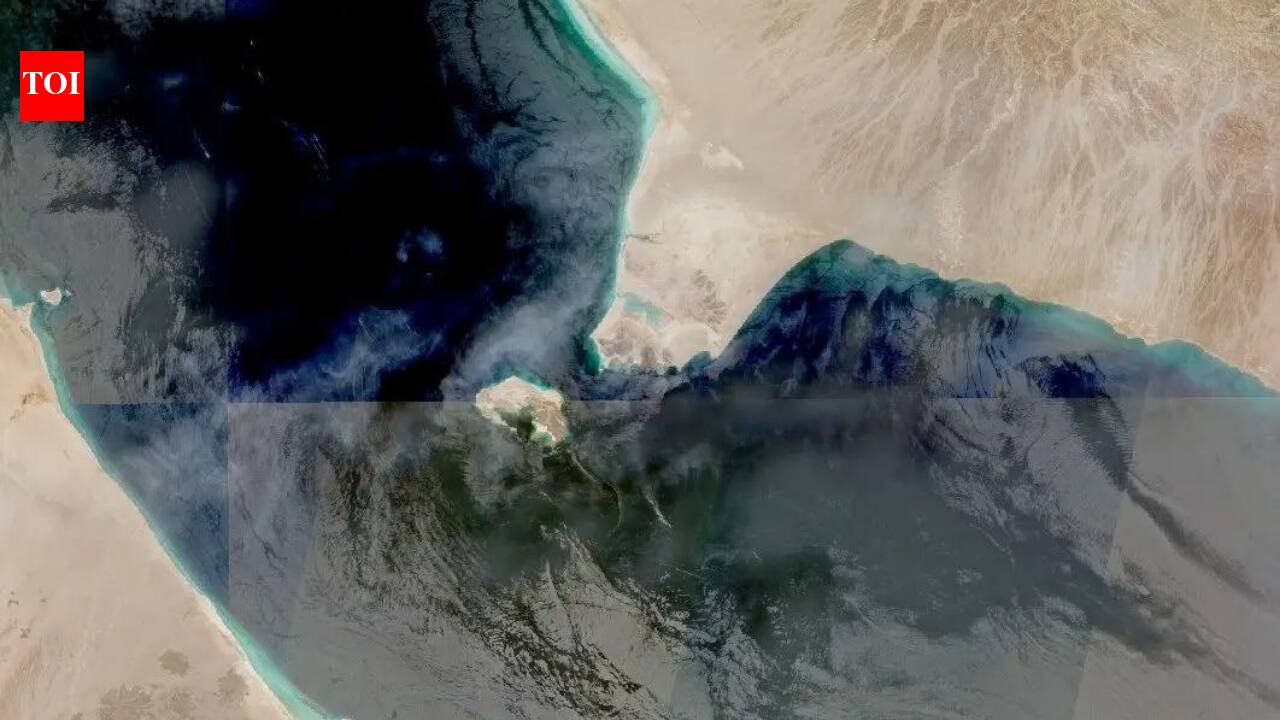
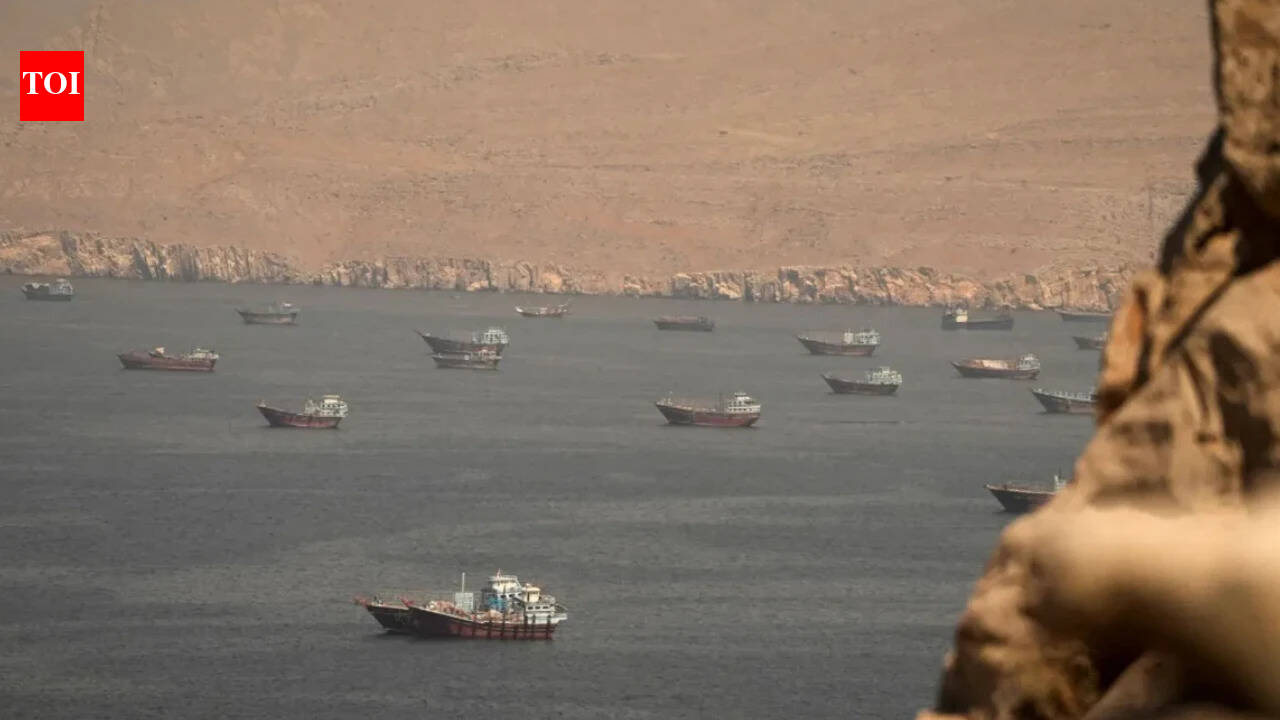
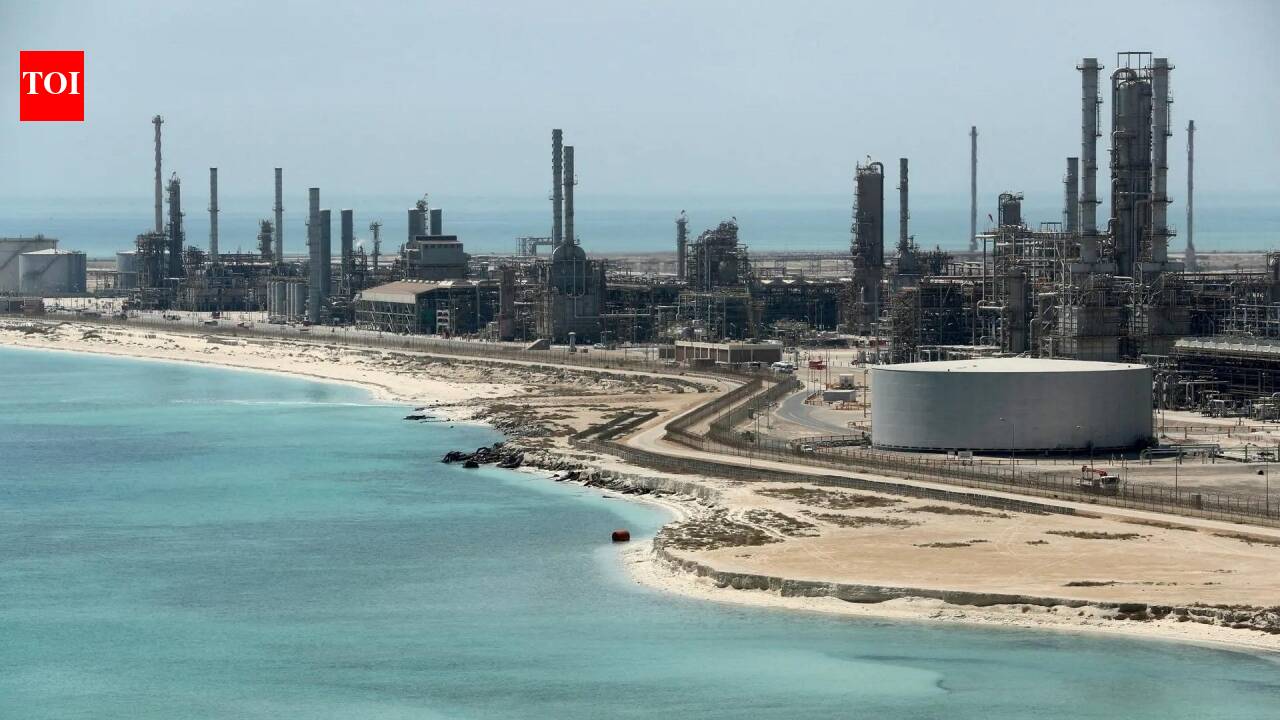
This development introduces a new layer of complexity for Indian crude supply chains. Two vessels—the Suezmax tanker Amazon, chartered by Indian Oil Corp (IOC), carrying 1 million barrels, and the Aframax tanker Rodos, carrying 700,000 barrels for Mangalore Refinery and Petrochemicals Ltd (MRPL)—loaded crude at Saudi Arabia's Yanbu port around July 20, the report states. Both initially headed north towards the Suez Canal. Around July 22, they switched off their AIS transponders, making their movements unavailable to public tracking systems, and changed course southward, exiting the Red Sea through the Bab el-Mandeb Strait.
| Vessel | Type | Capacity (barrels) | Charters | Destination | Expected Arrival |
|---|---|---|---|---|---|
| Amazon | Suezmax | 1,000,000 | Indian Oil Corp | Chennai | Early August |
| Rodos | Aframax | 700,000 | MRPL | Mangalore | August 1 |
Both ships are managed by Greece-based Dynacom Tankers. According to sources, disabling transponders is a standard safety measure for ships operating in conflict zones. "The owner had shut the transponders on the vessels for safety purposes, and the vessels are now heading to India," one source told Reuters.
Context: Houthi Blockade and Prior Attacks
The action follows the announcement by Yemen's Iran-backed Houthi rebels of a blockade on Saudi oil shipments. The two vessels turned off their transponders after two other Dynacom-operated ships—the Malta-flagged Panamax tanker Kavomaleas and the Liberian-flagged VLCC Acheloos—were struck by projectiles. This is the first known indication of such "dark" sailing for Saudi crude tankers heading to India since the blockade began.
Implications for Indian Refiners and Supply Chain
Indian refiners are responding to the heightened risk. MRPL's latest tender specified that it would procure only cargoes transported on routes that avoid both the Red Sea and the Strait of Hormuz, according to the source. This shift toward delivered basis procurement may increase voyage times and costs, as alternative routes around the Cape of Good Hope add significant distance and transit time.
Recommended actions for shippers and operators:
- Monitor vessel tracking closely for rerouting and delays.
- Review insurance coverage for war-risk zones, including the Red Sea.
- Consider alternative procurement strategies, such as delivered-basis contracts or diversifying supply sources.
- Prepare for potential delays at Indian ports as vessels arrive in early August.
Watch List: Upcoming Factors
- Further Houthi actions and any escalation of maritime attacks in the Red Sea region.
- Decisions by other carriers and charterers to adopt similar "dark" sailing practices.
- Impact on crude oil freight rates on the Middle East-to-India lane.
- Potential rerouting of additional Saudi crude shipments around the Cape of Good Hope or via alternative routes.
Sources: