A Saudi-led investor group including Saudi Arabia's Public Investment Fund (PIF) and Affinity Partners has completed its $55bn (£41bn) acquisition of Electronic Arts (EA), taking the American gaming publisher private in what the BBC reported is thought to be the largest leveraged buyout in history.
Deal structure and financing
The investors are purchasing all of EA's public shares, meaning the company will no longer be traded on a stock exchange, according to the BBC. The group includes Affinity Partners, led by Jared Kushner, son-in-law of President Donald Trump, the BBC reported.
PIF, a £514bn fund used by the Saudi government to invest in ventures such as football club Newcastle United, has put $36bn into the deal. To close the transaction, PIF needs to borrow $20bn from investment bankers JPMorgan, with the business taking on the debt, the BBC reported. Because a significant part of the purchase is paid for with borrowed money that EA will have to repay, the deal is thought to be the largest leveraged buyout in history, the BBC said.
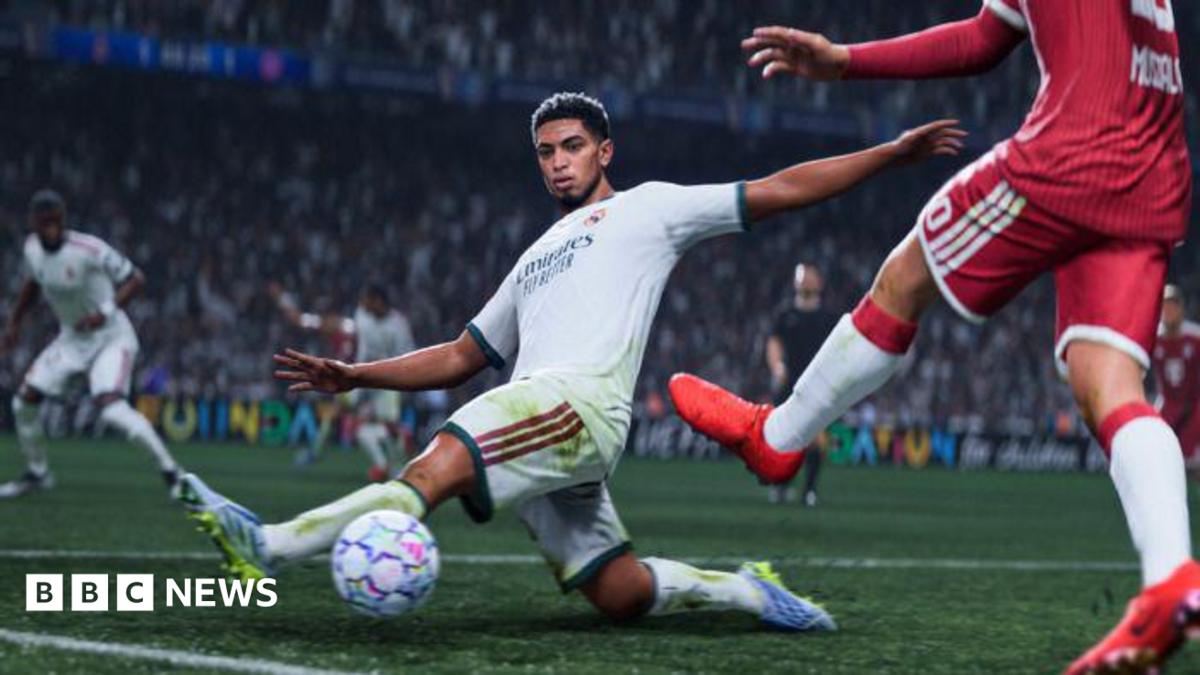
According to the BBC, EA's best-known franchises include:
- EA FC (formerly Fifa) — its football titles have sold more than 325 million copies since the first release in 1993;
- The Sims — a life-simulation series that champions inclusivity;
- Mass Effect — a sci-fi role-playing franchise.
The acquisition is the second-largest in gaming history, after Microsoft's $69bn purchase of Activision Blizzard, the company behind Call of Duty, according to the BBC.
Leadership and strategy
EA's chief executive Andrew Wilson, who will retain his position, said at the initial deal announcement that the firm plans to "create transformative experiences to inspire generations to come," the BBC reported. "I am more energized than ever about the future we are building," Wilson said.
Debt load and cost-cutting speculation
How EA will service the debt has been a focus of speculation from journalists and analysts, the BBC reported. Bloomberg's Jason Schreier said the structure could lead to "mass layoffs, more aggressive monetization, and other big cost-cutting measures" for one of the industry's biggest companies, according to the BBC.
Christopher Dring, editor-in-chief and co-founder of the Game Business, said the nature of the buyout was also likely to mean "a very hands-on approach from the investment group." "Private equity firms are typically aggressive in their management of companies," Dring said.
Creative-control concerns and fan backlash
The deal has caused concern amongst some fans of EA's library, particularly because games like The Sims champion inclusivity and LGBT+ relationships. In Saudi Arabia, consensual same-sex sexual conduct can be punishable by death or flogging under interpretations of Sharia law, according to the BBC.
In protest at the sale to PIF, the advocacy group Players Alliance HQ has asked gamers to petition their local politicians and speak out against it, the BBC reported. The campaign's website states:
"Video games are a reflection of culture and people through their storylines, characters and representation. With the PIF being the majority owner in the potential buyout, there is a large concern that creative decisions could be influenced by these outside factors, leading to themes such as free speech, gender, LGBTQI+ and other aspects of Western politics being reduced or fully censored across major franchises."
Deal at a glance
| Metric | Figure (per BBC) |
|---|---|
| Purchase price | $55bn / £41bn |
| PIF equity contribution | $36bn |
| Debt financing arranged by JPMorgan | $20bn |
| PIF assets under management | £514bn |
| Rank among gaming acquisitions | Second (behind Microsoft's $69bn Activision Blizzard deal) |
With EA's public shares set to be fully purchased, the company will no longer trade on a stock exchange, and the business itself will carry the $20bn borrowed from JPMorgan, according to the BBC. Analysts and industry observers have already questioned how those repayments will affect one of the industry's biggest companies, with Bloomberg's Jason Schreier flagging potential mass layoffs and more aggressive monetization, and the Game Business's Christopher Dring predicting a "very hands-on approach" from the investment group.
Sources: