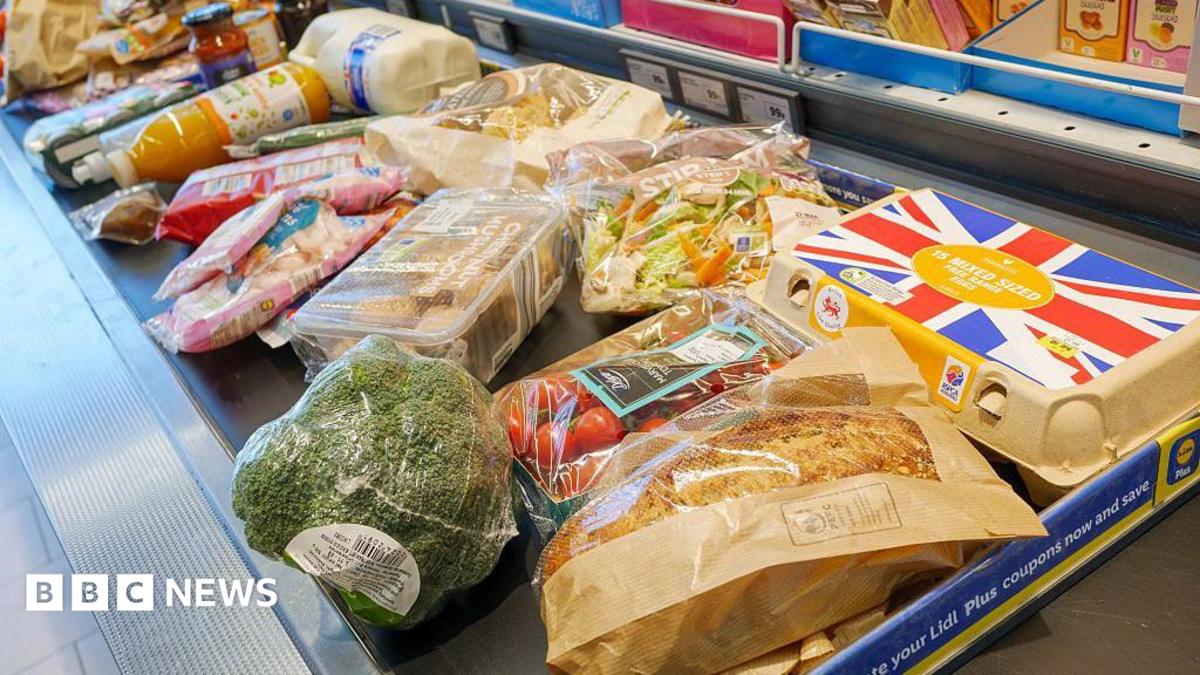
The term 'burgerflation' has entered the summer vocabulary as UK consumers face sharply higher prices for beef, bread buns, and bagged salad, yet the farmers and bakers who supply these goods say they are not seeing the benefit.
The beef market: retail up, farmgate down
According to data from the Consumer Price Index (CPI), shoppers paid 9% more for beef in May compared with the same month a year earlier. In contrast, the Agricultural Price Index (API) for April shows that farmers received 8% less for their beef on average versus the previous 12 months. This widening gap is at the heart of the 'burgerflation' phenomenon.
| Metric | Change | Period | Source |
|---|---|---|---|
| Retail beef prices | +9% YoY | May 2026 | CPI |
| Farmgate beef prices | –8% YoY | April 2026 | API |
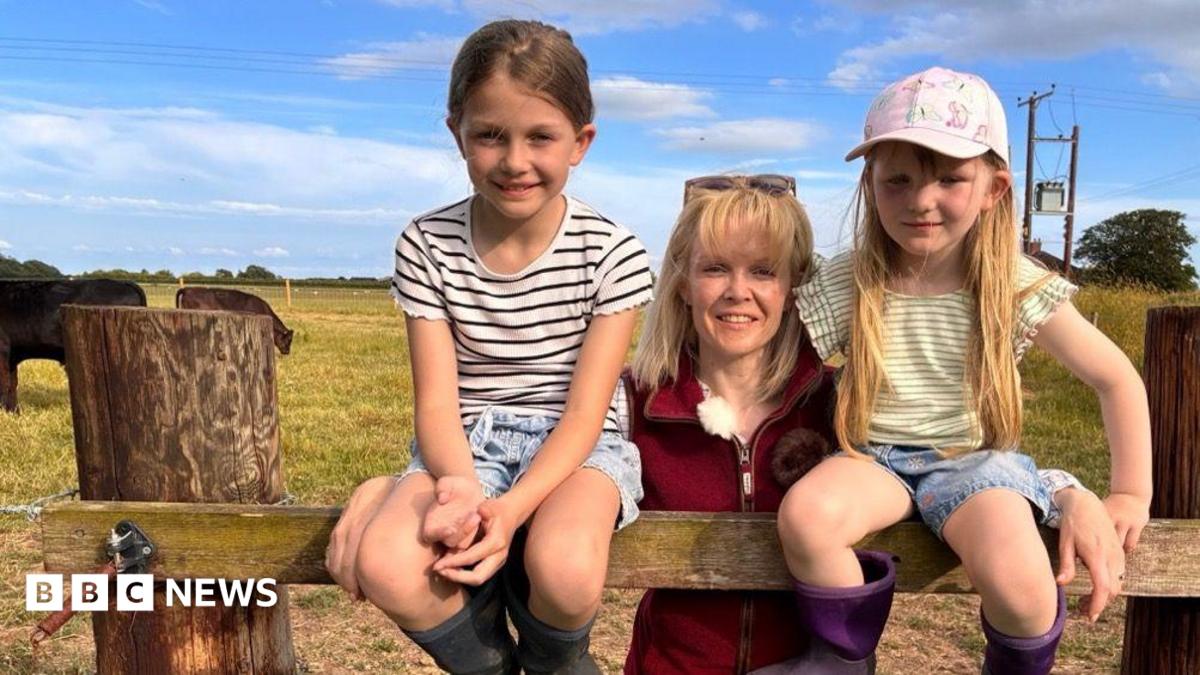
Heather Oldfield, a cattle farmer near Boston, Lincolnshire, farms 200 animals that are sold to Morrison's butchery. The latest API figures mean she is earning less per animal even as supermarket prices rise. Speaking to the BBC, Oldfield said, 'There's a lot of uncertainty' and revealed she works full time for a plant breeder because the farm cannot support both her and her husband's wages. A Defra spokesperson said the government is 'backing our hard-working farmers, investing a record £11.8bn'.
The bread bun market: wheat falls, bakers squeeze margins
Phil Clayton, a baker in York, North Yorkshire, runs a bakery with his wife Tina that produces thousands of loaves each week. According to the CPI, families were paying 2% more for bread rolls in May than a year earlier. However, the API shows that in April farmers received 0.3% less for wheat, the main ingredient. The 2% retail rise is smaller than the 3% increase in the overall CPI index.
Clayton increased his prices by 10p to 20p, but told the BBC it is 'absolutely not true' that the bakery is enjoying more profit. He emphasized his responsibility to pay his 30-strong team of bakers, delivery drivers, and Saturday staff. With a 0.3% decline in wheat prices, the margin pressure falls on the baker rather than the farmer.
Outlook for commodity traders and procurement
The divergence between retail and farmgate prices signals that processors and retailers – not primary producers – are absorbing or widening margins. For procurement teams sourcing beef and wheat, the API data suggests farmgate prices remain soft despite strong consumer demand. The UK government's record £11.8bn support package may cushion some of the impact, but immediate price relief for buyers is unlikely. The next API and CPI releases will be closely watched for any convergence.
Sources: