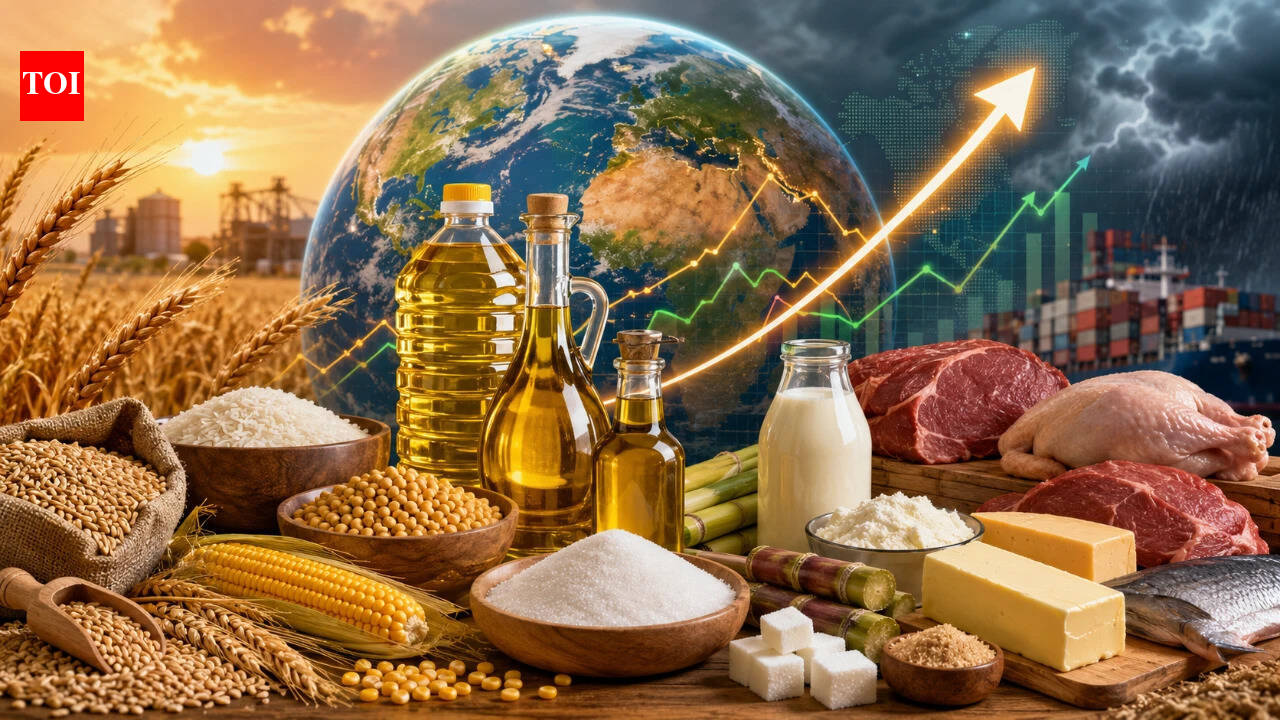
Global food prices moved higher in July as the Food and Agriculture Organization (FAO) of the United Nations reported its FAO Food Price Index averaged 131.1 points during the month, 0.6 per cent above June and 1.0 per cent higher than a year earlier. According to the FAO, the rise was driven by cereals, vegetable oils and sugar, with weather conditions, energy markets and geopolitical developments influencing prices across the month.
Cereal prices lead the July increase
The FAO Cereal Price Index rose 3.4 per cent from June, reversing its decline in May and ending the month 6.9 per cent above its year-ago level. Wheat prices led the advance, jumping 5.8 per cent on concerns over possible disruptions to Black Sea export flows and the impact of recent heatwaves on crop yields in key producing countries, the FAO said. Maize prices added 3.6 per cent, supported by hot and dry weather in parts of the United States and stronger energy markets amid heightened geopolitical tensions. Rice prices were broadly stable during July, the agency noted.
Key drivers of the cereal complex:
- Wheat: Black Sea export flow concerns; heatwave impacts on yields in key producing countries.
- Maize: Hot, dry weather in parts of the United States; firmer energy markets.
- Rice: International prices largely unchanged month on month.
Vegetable oils climb to highest level since June 2022
The FAO Vegetable Oil Price Index rose 2.0 per cent from June, reaching its highest level since June 2022. Palm oil prices were supported by firm demand from Indonesia's biodiesel sector and higher crude oil prices, according to the FAO. Soy oil prices strengthened on robust demand and improved price competitiveness. Sunflower and rapeseed oil prices, however, declined during the month.
Sugar prices bounce back
The FAO Sugar Price Index rose 5.6 per cent in July, recovering from its June decline. The increase was mainly linked to concerns over persistent hot and dry weather affecting crop yields in the European Union, the FAO said. El Nino-related risks to production prospects in key Asian producing countries added to the concerns, while expectations of stronger ethanol demand in Brazil provided further support.
Meat and dairy prices ease
July's advance was not broad-based. The FAO Meat Price Index dropped 2.8 per cent from its record level in June, marking its first monthly decline this year. The FAO Dairy Price Index eased 0.7 per cent as prices of milk powders and butter declined, the agency reported.
Index movement at a glance
| Index | Monthly change (June to July) | Year-on-year change | Additional context |
|---|---|---|---|
| FAO Food Price Index | +0.6% | +1.0% | Averaged 131.1 points in July |
| FAO Cereal Price Index | +3.4% | +6.9% | Reversed May's decline |
| Wheat prices | +5.8% | — | Black Sea supply concerns; heatwaves |
| Maize prices | +3.6% | — | US weather; firmer energy markets |
| FAO Vegetable Oil Price Index | +2.0% | — | Highest since June 2022 |
| FAO Sugar Price Index | +5.6% | — | Recovering from June decline |
| FAO Meat Price Index | -2.8% | — | First monthly decline this year |
| FAO Dairy Price Index | -0.7% | — | Milk powders and butter declined |
The FAO expects weather conditions, energy prices and geopolitical developments to remain key factors influencing global food commodity prices in the months ahead.
Sources: