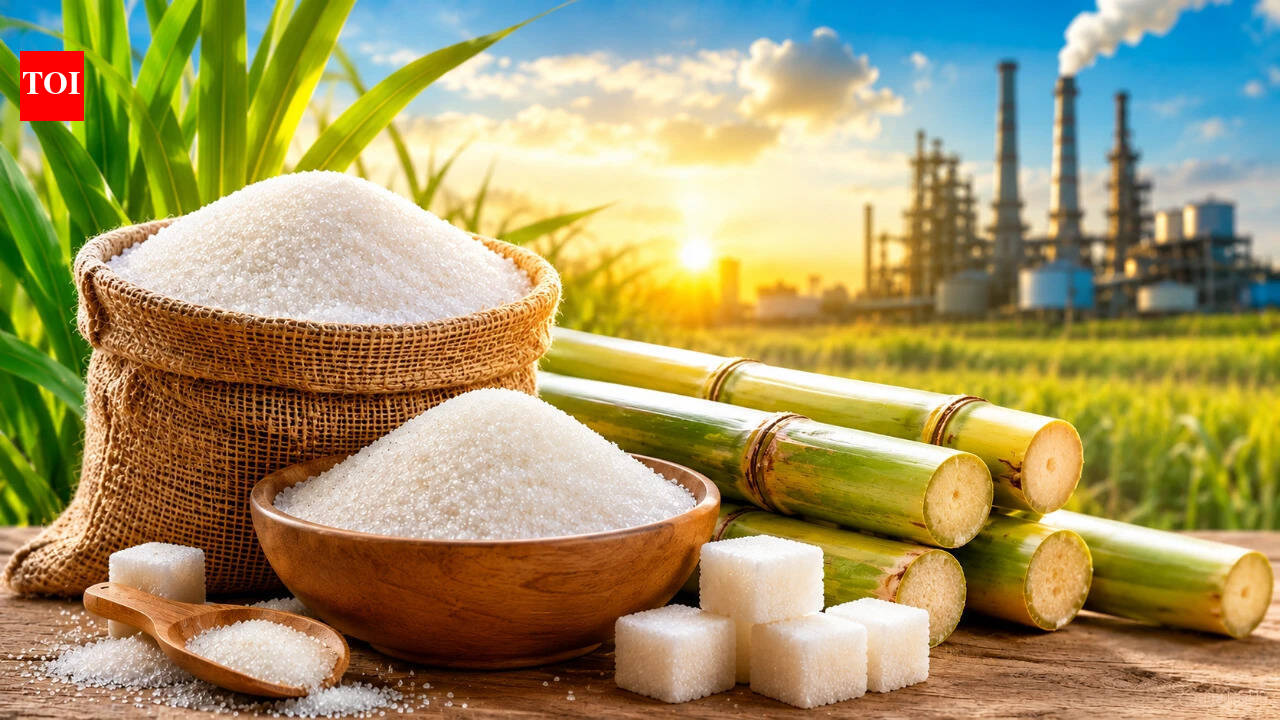
India is considering restricting the amount of sugarcane used for ethanol in the season beginning October to boost sugar output and try to calm record prices, according to two government and two industry sources cited by Reuters. The deliberations are not public, and the sources declined to be named, they said. A decision on the issue could be made by the end of next month. A government spokesperson did not immediately respond to Reuters' request for comment.
Policy backdrop: export ban, stock caps and new curbs
New Delhi has already banned sugar exports and, last month, imposed limits on the stocks that dealers can hold, Reuters reported. The new curbs under consideration would go further. Mills would be asked to stop producing ethanol from sugarcane juice and B-heavy molasses, a byproduct with a relatively high sugar content, according to the sources. Mills would instead be allowed to produce ethanol mainly from C-heavy molasses, a byproduct left after most of the sugar has been extracted, they said.
The shift in feedstock would not necessarily hurt the sugar industry, because mills are expected to earn more from producing and selling sugar than from diverting sugarcane for ethanol, industry officials said.
Supply-side stakes: 3 million tonnes at stake
About 3 million metric tons of sugar, or around 10% of total output, was diverted to ethanol during the current year to the end of September.
During the current year, mills diverted about 3 million metric tons of sugar to ethanol production, the sources said. Restricting that diversion next season could add a similar volume to domestic sugar supplies, offsetting the expected drop in output caused by weak rains in India's biggest cane-growing states.
Reduced rainfall in Maharashtra and Karnataka, India's largest sugarcane-producing states, has raised concerns about next year's sugar output, the sources added. Prioritising sugar supplies over ethanol could help India avoid sugar imports by boosting domestic supplies as production falls, they said.
Ethanol blending target and the corn-rice offset
To keep the programme of blending 20% ethanol into petrol on track, the government would need to increase the use of corn and rice for ethanol production to offset the reduced amount from sugarcane, according to sources with direct knowledge of the matter. Corn and rice stocks are ample, they noted.
The ethanol allocation for the sugar industry for the marketing year beginning November is expected to be finalised before the season starts, after which state fuel retailers will float tenders for ethanol purchases, the sources said.
Key figures in the sugar-ethanol balance:
- 3 million metric tons of sugar diverted to ethanol in the current year
- 10% share of total sugar output
- 20% ethanol blending target
- End of next month target for a decision on curbs
| Metric | Value |
|---|---|
| Sugar diverted to ethanol (current year to end-September) | ~3 million metric tons |
| Share of total output | ~10% |
| Indian sugar price move (last month) | +10%, record high |
| Ethanol blending target | 20% |
| Decision deadline | End of next month |
| Sugarcane season begins | October |
| Ethanol marketing year begins | November |
Price outlook: festival demand to keep sugar firm
Indian sugar prices have risen about 10% over the last month to a record high and are expected to remain high for at least the next three months as supplies tighten and demand from the Indian festival season — when people travel more — gathers pace, Reuters reported last week.
With the decision on ethanol curbs pending, market participants will be watching the finalisation of the ethanol allocation for the sugar industry before the season starts, followed by tenders from state fuel retailers. Any restriction on cane diversion could add a similar volume to domestic sugar supplies, the sources said, potentially easing the supply squeeze behind the record-high prices.
Sources: