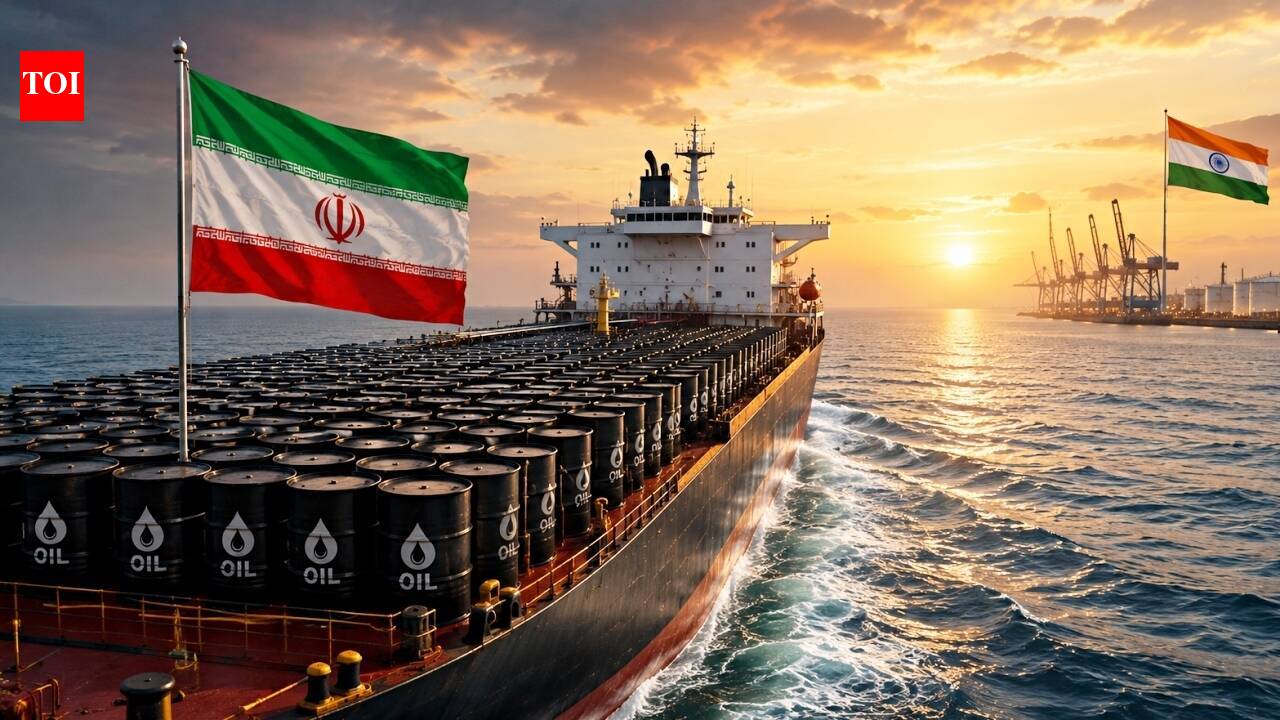
A temporary US sanctions waiver on Iranian oil sales is unlikely to draw orders from well-stocked Asian refiners, leaving independent Chinese refineries as the main buyer, according to trade sources and analysts cited by Reuters. The US authorised the sale of Iranian crude, petroleum products, and petrochemicals through August 21, easing decades-old sanctions as it pushes toward a final peace deal with Tehran. Global oil prices are under pressure, with Brent crude declining by about 16% so far in June.
Refiners’ Position: Ample Stocks, No Urgency
Asian refiners hit by supply disruptions due to the blockade of the Strait of Hormuz since March have been aggressively buying oil from the US, Russia, Africa, and Latin America. Now, with the US-Iran interim peace deal reopening the strait and allowing stranded oil to exit, most refiners are already covered. "Most oil companies are covered till August. We were not expecting a waiver and had already bought whatever was available in the market," said a source at an Indian refiner. "In fact, we booked some crude cargoes for August at a premium."
Three Asian refiners, which last bought Iranian oil nearly a decade ago, said they have bought enough crude for now while non-sanctioned supplies have become affordable. Japanese refiners cited tight timing and the need for trial runs before resuming purchases. Buyers are also cautious due to uncertainty over the sanctions relief, Washington's policy stance, and challenges in dealing with banking and payment issues.
Iran Ramps Up Exports, But China Remains Key
The National Iranian Oil Co (NIOC) has sought proposals from Asian refiners for the purchase of its oil, according to one source. An industry source close to NIOC said it is calculating delivered prices of rival crudes to China for possible spot sales. Another source noted that Iranian oil sellers have temporarily halted offering cargoes to China's eastern Shandong province as they assess demand from other countries.
Ship-tracking firm Vortexa reported that Iranian crude on water has increased by 6 million barrels over the past 48 hours and currently stands at 126 million barrels, with about half already in Asia—floating in the South China Sea or the Yellow Sea. Vortexa said China's independent refiners, or teapots, will likely remain the ultimate buyer, even though their appetite is currently weak due to output cuts since May.
Sumit Ritolia, lead analyst at ship-tracking firm Kpler, said: "With India's crude supplies comfortable until August, the biggest beneficiary of any sanctions waiver on Iranian oil would likely be China, which needs crude for both processing and strategic stock replenishment."
Global Prices Under Pressure and Outlook
The return of Iranian crude is weighing on global oil prices. Sources expect supply of Iranian oil will potentially widen discounts on Russian grades and push other Gulf producers such as Saudi Arabia to lower official selling prices to regain market share. However, deterrents remain for companies looking to resume Iranian oil imports.
| Metric | Current Status |
|---|---|
| Brent crude price change | Down ~16% in June |
| Iranian crude on water | 126 million barrels |
| Increase in past 48 hours | +6 million barrels |
| Location of floating oil | ~50% in Asia (South China/Yellow Sea) |
| US waiver expiry | August 21, 2026 |
In India, refiners are unwilling to commit to purchases unless US sanctions relief is assured beyond August. For fuel oil, the sanctions relief will exert further downward pressure, particularly for high-sulphur grade, though traders expect only a tiny uptick in Iranian fuel and bunker trade due to banking and payment obstacles. Published on June 23, 2026.
Sources: