
Topic
iran
 Logistics
 Iran Blacklist Threatens Hormuz Shuttle Tanker Lifeline for Gulf Crude
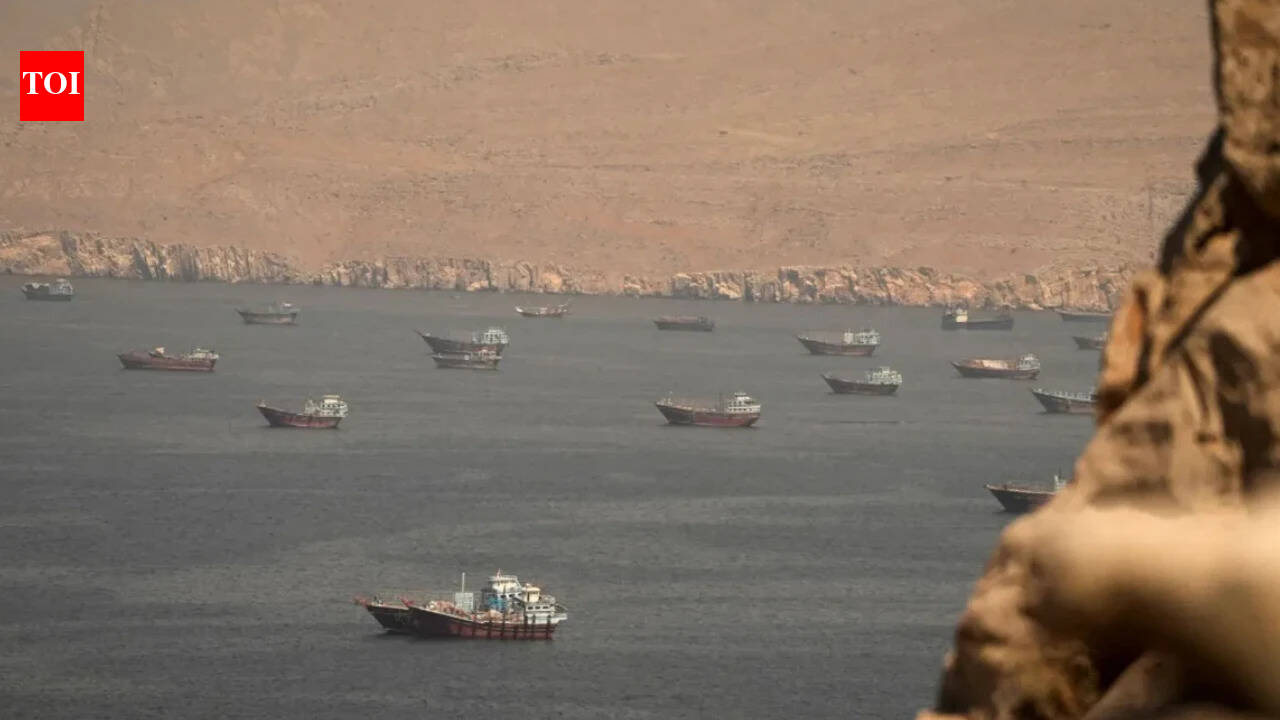
Iran's blacklisting of 12 VLCCs at the core of the Hormuz shuttle trade threatens a workaround moving roughly one-third of Middle East Gulf crude exports. Three Indian refiners and a global energy major plan to stop using the vessels, and Braemar warns remaining Hormuz tonnage will command higher premiums.
 Logistics
 Strait of Hormuz shipping traffic slightly rises amid Iran-Oman talks
Visible commodity vessel transits through the Strait of Hormuz rose to 10 on Wednesday from eight on Tuesday, according to Kpler data reported by Reuters, but remained below the 10-day average of about 15 vessels. Iran and Oman are still working on agreement details, while traffic at the Bab el-Mandeb strait slowed for a second day to 19 vessels.
 Commodities
 Brent crude remains above $90 per barrel as Hormuz operations remain disrupted
Brent crude held above $90 per barrel in early Thursday trade, up 0.41% to $92, while WTI rose 0.32% to $84.66, as the US-Iran war and Strait of Hormuz disruption kept the risk premium intact. Conflicting US and Iranian statements on the strait's status slowed shipping, while the UAE suspended financial transactions with Iran. Meanwhile, US crude inventories climbed 4.4 million barrels, topping expectations for a 600,000-barrel draw.
 Logistics
 Iran blacklists 45 tankers over Strait of Hormuz rules amid fresh US sanctions threat
Iran's Persian Gulf Strait Authority has blacklisted 45 tankers for allegedly violating its rules for transiting the Strait of Hormuz, threatening fines, detention and cargo confiscation. The list includes vessels linked to ADNOC L&S, Navig8 Tankers, Bahri, Klaveness, Stolt Tankers and Sinokor. The move escalates tensions weeks after the US threatened 'the toughest sanctions in history' against Iran.
 Commodities
 Crude oil futures fall on MCX to ₹8,286 per barrel on weak global cues
Crude oil futures on MCX fell to ₹8,286 per barrel on weak global trends and soft spot demand. WTI dropped 0.58% to $86.33 and Brent fell 0.35% to $93.45, according to a PTI report published by The Hindu BusinessLine.
 Commodities
 India emerges as new ‘swing supplier’ of refined oil products as Middle East crisis reshapes
India is emerging as a global 'swing supplier' of refined oil products, with Singapore becoming its largest export destination at $4.3 billion. Refinery capacity expansion, discounted Russian crude and supply disruptions in Russia and the Middle East are driving the shift, according to Business-Today.
 Logistics
 Hormuz compliance clash traps owners between Tehran and Washington
Iran's Persian Gulf Strait Authority has blacklisted 45 vessels transiting the Strait of Hormuz, threatening fines, detention and cargo confiscation, while the US warns that complying with Tehran's regime could trigger sanctions. The list includes ships linked to ADNOC Logistics, Bahri, Sinokor and others, with 14 already attacked. The US Treasury expanded secondary sanctions to shipping, targeting five shadow-fleet vessels.
 Commodities
 Crude Oil Rises on Reports of Iran Adopting More Offensive Stance
Crude oil futures rose Tuesday morning after reports that Iran plans a more offensive stance in the West Asia crisis. October Brent traded at $91.49, up 0.68%, and October WTI at $84.41, up 0.80%, according to The Hindu Business Line. The move follows threats of a 'timely and precise' military attack against the US naval blockade and the expiry of a US-Iran memorandum of understanding.
 Commodities
 Oil rises as Iran signals offensive stance, US rules out ceasefire extension
Oil prices climbed on Tuesday as Iran signalled a fully offensive military posture and the US ruled out extending a temporary ceasefire, heightening supply worries. Brent rose 0.3% to $91.14 a barrel while WTI gained 42 cents to $85.04, with Hormuz vessel transits falling to five on Saturday and none on Sunday.
 Commodities
 Oil Holds Steady as Strait of Hormuz Nears Zero Traffic; Iran-US Talks Stall
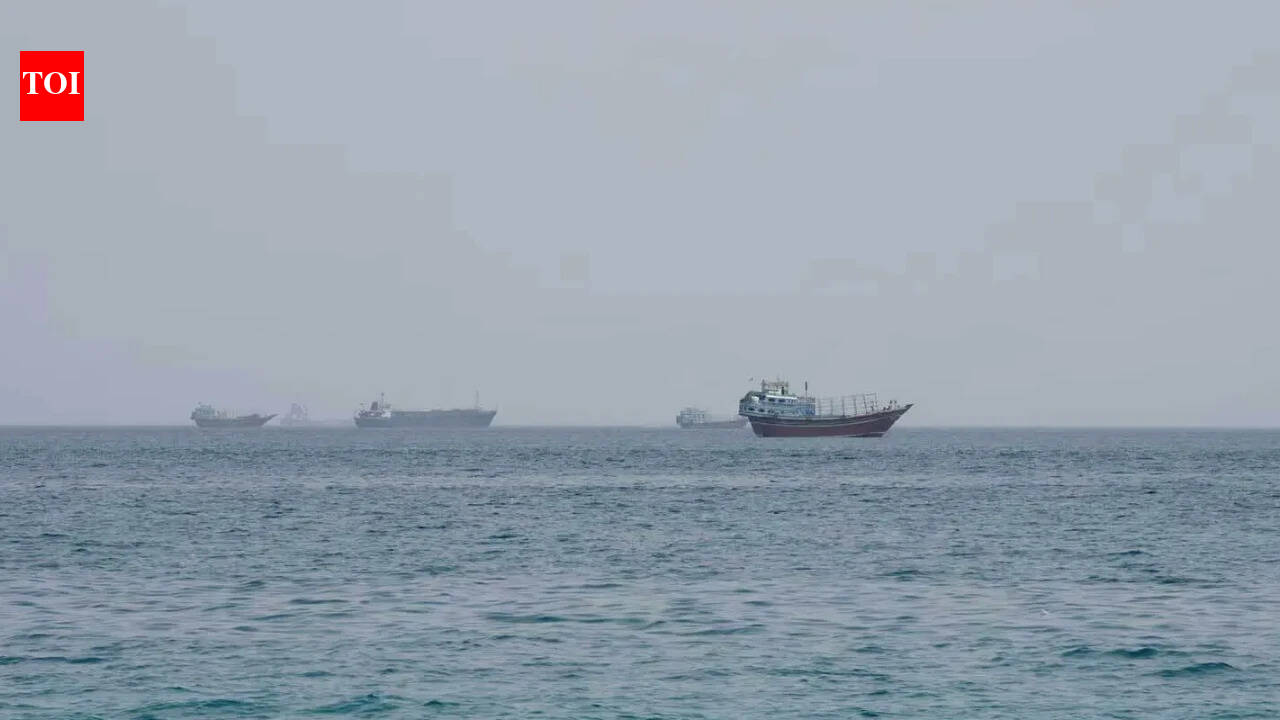
Brent crude edged up 0.42% to $88.89 and WTI rose 0.21% to $82.57 as vessel traffic through the Strait of Hormuz nearly halted over the weekend. Kpler data showed only five commodity vessels crossed on Saturday and none on Sunday, versus 31 the prior weekend, while Iran-US talks remained stalled.
 Commodities
 Crude oil futures flat as US signals tougher economic pressure on Iran
Crude oil futures traded flat on Friday after the US signalled it could maintain a naval blockade of Iran indefinitely and intensify economic pressure. October Brent slipped 0.01% to $87.06, while September WTI rose 0.06% to $81.30, with MCX crude contracts trading lower. US Treasury Secretary Scott Bessent said more announcements are coming next week.
 Commodities
 Oil Prices Slip as OPEC Cuts 2026 Demand Forecast; Iran War Keeps Supply Risks Alive
Oil prices slipped more than $1 on Thursday as OPEC cut its 2026 global demand growth forecast to 580,000 bpd and the IEA lowered its consumption outlook, while US crude inventories posted their biggest weekly build since January 2023. Brent fell 0.92% to $88.16/bbl and WTI fell 1.07% to $82.38/bbl. Middle East supply risks from attacks on shipping in Hormuz and Bab el-Mandeb and stalled Iran-US talks kept the downside limited.
 Logistics
 Iranian Owner Kamal & Adel Enters Boxship Sector with Chinese Newbuild Order
Tehran-based Kamal & Adel has placed an order with China's Chizhou Tianyu Shipbuilding for a single 1,700 TEU containership, priced at around $31.5 million and scheduled for delivery in 2028. The order marks the low-profile operator's first move into the containership segment, having previously focused on tugs and harbour craft. Alphaliner suggests the vessel could potentially be deployed locally in the Persian Gulf.
 Commodities
 Crude oil gains as Iran plans to ban US, Israeli ships from Hormuz transit
Crude oil futures traded higher on Friday after reports that Iran intends to ban US and Israeli ships from the Strait of Hormuz, according to The Hindu BusinessLine. October Brent rose 1.72% to $83.91 and September WTI gained 1.49% to $78.44. ING strategists expect Brent to average $80 a barrel in Q3 despite growing US-Iran tensions.
 Logistics
 Strait of Hormuz Reopening Hinges on Iran-Oman 60-Day Framework Deal
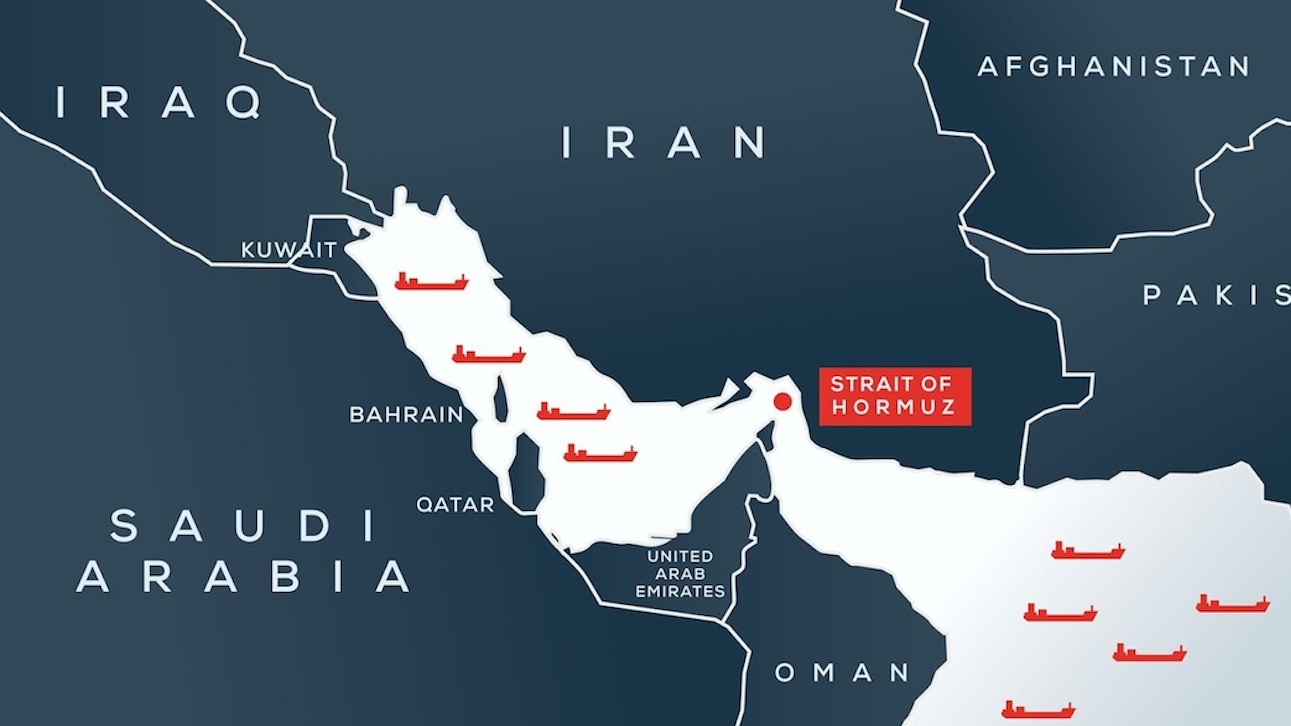
A U.S.-Iran standoff has cut Strait of Hormuz transits to eight vessels on Aug. 5, down from 100-plus daily before the conflict, while Iran and Oman finalize a proposed 60-day reopening framework, according to FreightWaves. The plan would route inbound vessels near Iran and outbound vessels on an Omani-side route with no transit fees, but a return to normal tanker, LNG and container flows requires weeks of incident-free transits, clear routing protocols and a stable U.S.-Iran agreement.
 Logistics
 Iran and Oman close in on new Hormuz traffic regime with carrier fees
Iran and Oman are expected to unveil a new Strait of Hormuz traffic arrangement imminently, with routes split between Iranian and Omani waters and proposed service fees of 5-7% of cargo value. The plan faces opposition from the US and eight shipping associations, while Houthi attacks continue to disrupt Gulf shipping.
 Commodities
 Crude Oil Futures Fall on Reports of Iran-Oman Deal for Hormuz Reopening
Crude oil futures fell Thursday after reports that Iran and Oman plan an agreement for the partial reopening of the Strait of Hormuz. Brent and WTI declined while MCX crude rose; ING strategists said US-Iran talks remain the real hinge point. The US EIA reported a 2.5-million-barrel weekly build in commercial crude inventories.
 Commodities
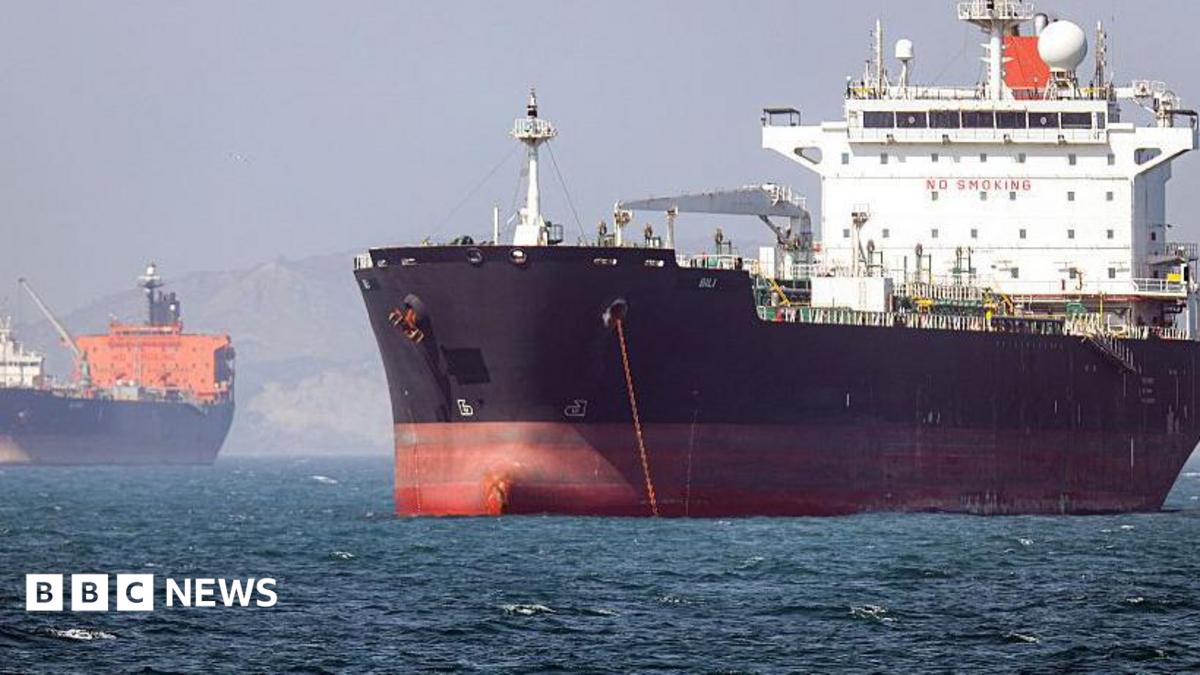
 Oil prices fall to three-week low on hopes Strait of Hormuz could reopen
Oil prices fell to a three-week low on Tuesday as US officials said talks with Iran on reopening the Strait of Hormuz had progressed, according to BBC Business. Brent crude dropped almost 5% to under $80 a barrel, while West Texas Intermediate fell more than 5% to $76, with both contracts at their lowest since 13 July.
 Commodities
 BP posts $5.73bn quarterly profit as Iran war lifts Brent crude to $103.85
BP reported a $5.73bn quarterly profit, more than double a year earlier and its highest since the Russia-Ukraine war began, after the Iran war disrupted oil and gas flows through the Strait of Hormuz. Brent crude averaged $103.85 a barrel in the quarter, up from $67.88. CEO Meg O'Neill plans to sell Archaea and BP's North Sea business.
 Logistics
 Middle East Oil Tanker Threat Worst Since Iran War Began, Analysts Warn
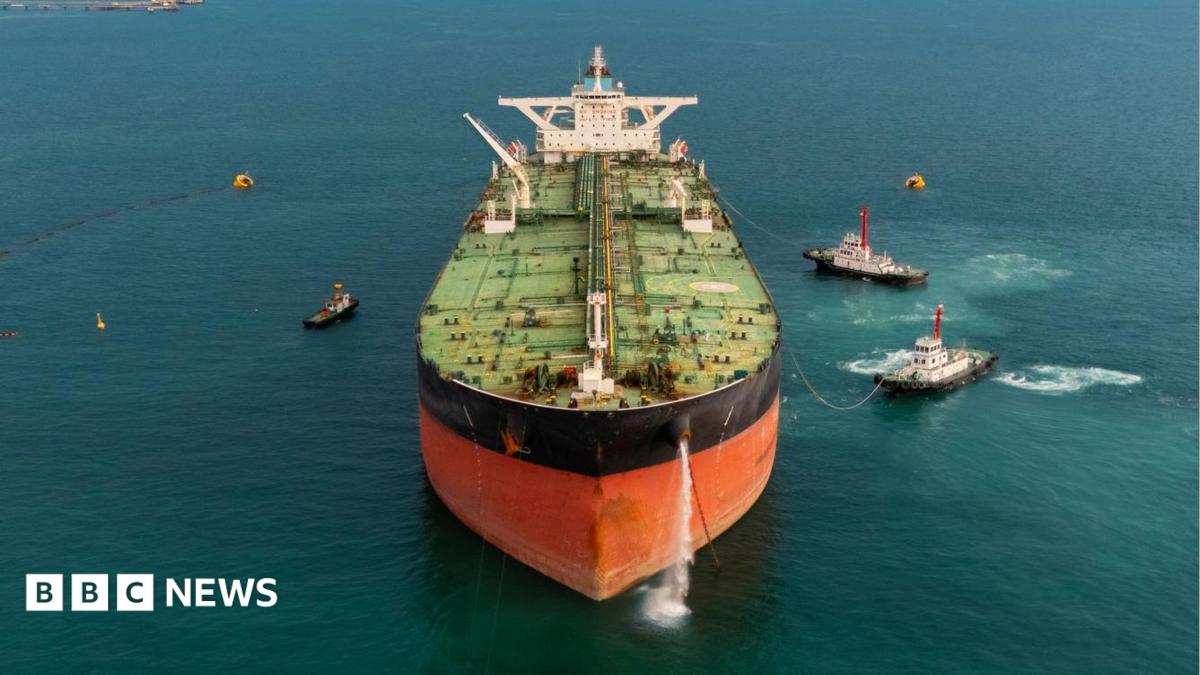
Threat to oil tankers in the Middle East is at its worst since the Iran war began, as Strait of Hormuz transits fall to single digits and Houthi attacks target Saudi tankers in the Red Sea. Kpler data shows Hormuz traffic down from 100+ ships per day to 8-11, while Red Sea volume sits at 50% of pre-attack levels. Hapag-Lloyd warns restoring normal flows could take three to four months even if the strait reopens.
 Business
 US stocks rally over 1% as oil prices fall on hopes of US-Iran deal
Wall Street rallied more than 1% on Monday as Brent crude fell 4.9% to $83.65 a barrel on hopes of a US-Iran deal, easing inflation concerns. The S&P 500 gained 1%, the Dow rose 624 points, and the Nasdaq climbed over 1%, while airline shares surged and chip makers fell on AI doubts.
 Commodities
 Gold Edges Higher, Oil Tumbles as Trump Delays Iran Strike: Rates Today
Spot gold edged up 0.4% to $4,055.76 an ounce while crude oil slumped more than 5% after US President Donald Trump held off fresh military strikes against Iran. MCX gold futures fell Rs 818 to Rs 1,44,022 per 10 grams on weak physical demand. WTI crude dropped 4.75% to $80.65 a barrel.
 Commodities
 Oil Slumps as Trump Holds Off Iran Attack, Says Talks Will Resume
Brent crude plunged as much as 7.3% after US President Donald Trump said he called off a planned attack on Iran and new talks would begin Monday. West Texas Intermediate traded below $81. Persistent shipping risks in the Strait of Hormuz and OPEC+ supply decisions remain in focus.
 Commodities
 Crude Oil Futures Fall Over 5% as Trump Pauses Planned Iran Strike
Crude oil futures fell more than 5% on Monday after US President Donald Trump paused a planned strike on Iran. October Brent dropped to $83.49 and September WTI to $79.70. OPEC+ separately decided to raise output by 188,000 barrels per day from September 2026.
 Commodities
 Oil Tumbles Over 6% as Trump's Iran Talks Revive Hopes of Easing Middle East Tensions
Oil prices tumbled more than 6% on Monday as US President Donald Trump said talks with Iran would be held, reviving hopes of easing Middle East tensions. Brent and WTI gave back part of last month's 20%+ rally, while OPEC+ agreed to raise output quotas by 188,000 bpd from September.
 Technology
 FBI Warns Iran-Linked Hackers Hit Water Systems in Seven US States
According to WIRED, the FBI warned that cyberattacks likely tied to Iran hit water utilities in no fewer than seven US states, expanding beyond Minnesota where more than 30 utilities were attacked. CISA said the attacks disabled digital controls and resulted in boil-water notices. The FBI advised utilities to secure programmable logic controllers and remove them from the internet.
 Logistics
 Iran Remains Chief Suspect as Damietta Drone Strike Disrupts LNG Operations
A drone strike at Egypt's Damietta port hit the US-owned FSRU Energos Winter and adjacent LNG carrier GasLog Salem, disrupting LNG import operations. Iran remains the principal suspect, though no group has claimed responsibility and the investigation continues.
 Technology
 Leaked Memo Links Iranian Hackers to Minnesota Water Utility Cyberattacks
A leaked memo obtained by WIRED from the Water Information Sharing and Analysis Center (WaterISAC) links a series of cyberattacks targeting dozens of Minnesota water and wastewater utilities to Iran. The attacks, which caused boil-water notices and manual operations, align with a hacking campaign previously attributed to Iran by CISA. The incident represents a rare case of state-sponsored targeting of civilian infrastructure outside of Russia's war on Ukraine.
 Trade
Trade US Sanctions Iran’s Hormuz ‘Extortion Scheme’ and Eight Shadow Tankers
The US Treasury sanctioned Persian Gulf Marine Insurance Company and HormuzSafe Marine Services Authority for running an IRGC-backed extortion scheme that forces commercial vessels to purchase maritime insurance before transiting the Strait of Hormuz. OFAC also designated eight tankers and their owning companies for transporting Iranian crude oil, bringing the total shadow fleet sanctions to over 100 ships since the start of the year.
 Commodities
 Crude Oil Futures Jump After US-Saudi Strikes on Iran-Backed Targets in Iraq
Crude oil futures rallied on Wednesday following joint US-Saudi military strikes against Iran-aligned targets in Iraq. Brent and WTI prices jumped over 3.5% as supply risks escalated, with the Jazan refinery shutdown and Strait of Hormuz traffic halted.
 Commodities
 Crude oil futures fall on Trump’s ‘good talks’ comment on Iran
Crude oil futures declined on Tuesday after US President Donald Trump said the US was engaged in 'good talks' with Iran. October Brent fell 1.08% to $84.94, and September WTI dropped 1.14% to $81.67. Meanwhile, the Caspian Pipeline Consortium resumed oil lifting at its Marine Terminal.
 Commodities
 Global crude oil prices plunge around 7% after US and Iran pause military strikes over weekend
Global crude oil prices plunged around 7% on July 27, 2026, after the United States and Iran paused military strikes over the weekend. Brent crude traded 7.2% lower at $89.74 per barrel, while West Texas Intermediate fell 6.6% to $83.36 per barrel, according to News on AIR.
 Commodities
 Oil price dives over 9% as US and Iran pause attacks, Brent drops below $88
The price of oil sank more than 9% on Monday, with Brent crude dipping below $88 a barrel, after the US and Iran paused attacks to give talks space. The fall follows last week's spike above $100 amid fears over the Strait of Hormuz and Houthi attacks in the Red Sea.
Logistics Weekend Lull Fails to Unlock Strait of Hormuz Shipping as Attacks Pause
A weekend lull in US-Iran attacks brought no relief to Strait of Hormuz shipping, with commercial traffic at around 12 daily passages and crude tanker transits at about one per day. The Pentagon halted its bombing campaign late Friday after 13 consecutive nights, but shipowners remain wary. Meanwhile, the Lloyd's Market Association published model wording (LMA5708) that could void hull cover for vessels paying transit fees, and US Central Command continued enforcement operations, including disabling a tanker in the Gulf of Oman.
 Commodities
 Iran War Pushes Brent to $100, Oil Companies Fear Hit to Their Finances
Global benchmark Brent crude topped $100 per barrel for the first time in nine weeks amid renewed US-Iran conflict in West Asia. The disruption through the Strait of Hormuz and continued Houthi attacks on Bab el-Mandeb Strait have pushed prices up nearly 7% in a day. Indian oil marketing companies, already reeling from losses in the June quarter, face further financial strain as crude prices surge.
 Commodities
 Crude Oil Futures Rise as US Strikes on Iran Continue for 11th Day
Crude oil futures climbed on Wednesday as US forces continued strikes on Iran for an 11th consecutive day. September Brent reached $92.15/barrel and September WTI $85.25/barrel, supported by geopolitical tensions affecting shipping lanes. Analysts at ING Think noted that risks to Saudi exports from the Red Sea and disruptions at Russia's CPC terminal may leave Brent undervalued.
 Commodities
 Brent crude oil tops $90 as US and Iran intensify Middle East attacks
Oil prices surged on Monday, with Brent crude surpassing $90 a barrel, as the United States and Iran intensified attacks in the Middle East, disrupting energy shipments through the Strait of Hormuz. Brent climbed 3.05% to $90.79, its highest since June 11, after a 15.9% weekly gain. The conflict escalated with US naval blockades and Iranian strikes on shipping, reducing transit through the strategic waterway.
 Logistics
 Iran Primes Houthis to Shut Bab el-Mandeb, Risking Global Shipping Disruption
Iran has reportedly asked Yemen's Houthi movement to prepare to close the Bab el-Mandeb Strait if the US attacks Iranian power infrastructure. Missiles and drones have been deployed near the strategic waterway, according to sources. The move threatens to choke a critical chokepoint for global trade, forcing further diversions around Africa and driving up freight costs.
 Logistics
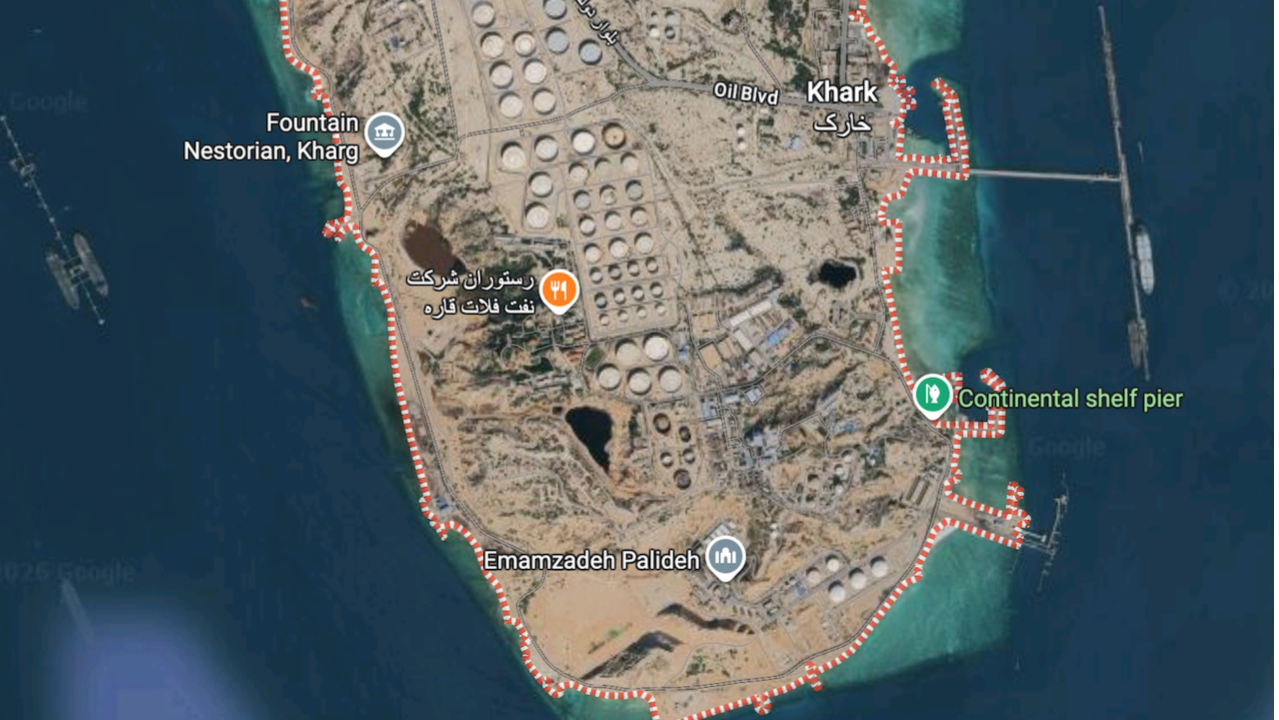
 US Forces Fire Hellfire Missiles to Disable Iran-Bound Tanker in Arabian Gulf
U.S. forces fired Hellfire missiles to disable the Curacao-flagged tanker M/T Belma attempting to violate a blockade toward Iran's Kharg Island terminal. The vessel ignored multiple warnings and is no longer transiting. The U.S. blockade began July 14 after the ceasefire collapsed. Crude oil futures stabilized at $78 per barrel with reduced Strait of Hormuz traffic.
Crude Oil Futures Edge Lower Despite US Strikes on Iran; Supply Disruptions Loom
Crude oil futures traded marginally lower on Thursday despite US airstrikes on Iranian facilities. September Brent was at $84.70, down 0.29%, while WTI fell 0.19% to $79.45. US EIA data showed a 1.7-million-barrel draw in commercial crude inventories. Analysts from ING Think flagged risks of renewed supply disruptions amid depressed tanker traffic through the Strait of Hormuz and the impending end of SPR releases.
 Trade
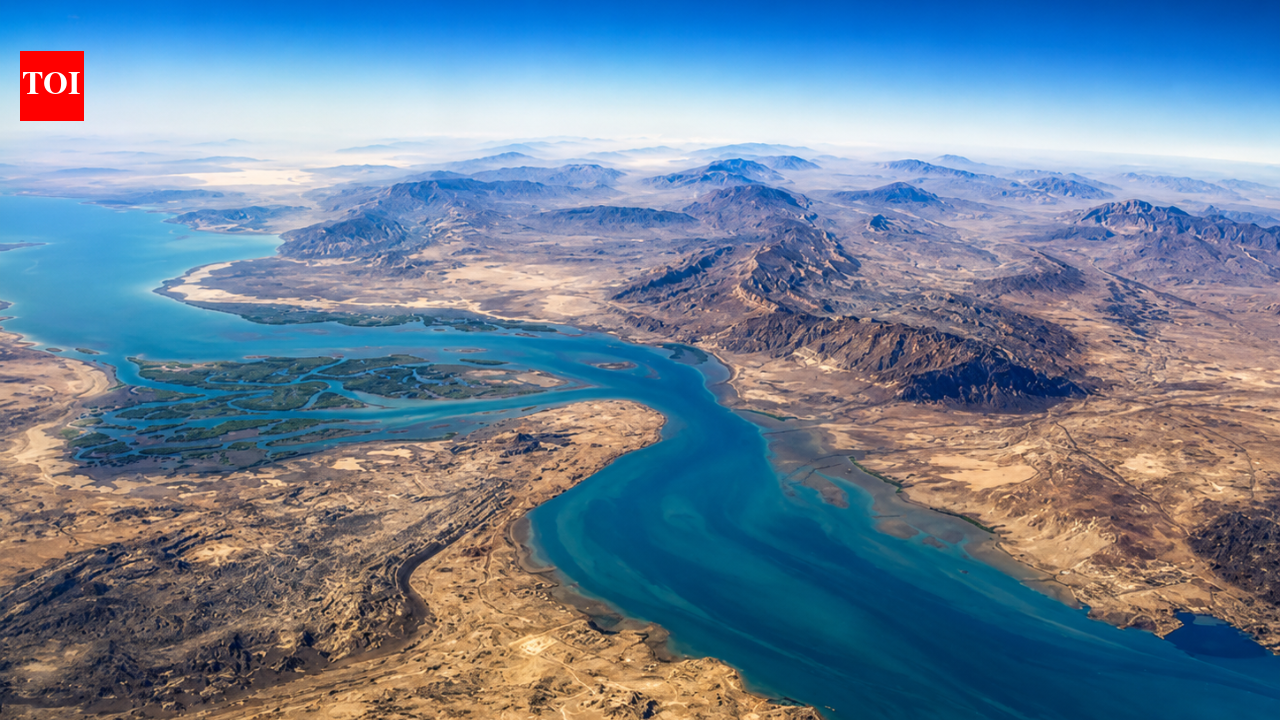
Trade Oil, LNG, Fertilisers and Diamonds at Risk from Iran's Wider Blockade Threat Beyond Strait of Hormuz
Iran's Islamic Revolutionary Guard Corps (IRGC) has warned it could expand efforts to disrupt regional trade beyond the Strait of Hormuz, threatening oil, LNG, fertilisers and diamond supply chains. The Strait carries nearly 20 million barrels per day of crude and petroleum products, and over 90% of Qatar and UAE's LNG exports. Diamonds routed through India and UAE for cutting and polishing face disruption, along with petrochemicals and food shipments.
 Commodities
 Crude Oil Futures Rise as Trump Threatens Strikes on Iran's Energy Targets
Crude oil futures traded higher on Wednesday after US President Donald Trump threatened to strike energy targets in Iran. September Brent rose 0.93% to $85.52 and August WTI gained 0.66% to $79.86 on geopolitical supply disruption fears. Trump's comments follow ongoing attacks between US and Iranian forces in West Asia.
 Commodities
 Crude oil futures surge after Trump reinstates naval blockade of Iranian ports
Crude oil futures rose sharply on Tuesday after US President Donald Trump reinstated a naval blockade of Iranian ports. September Brent crude climbed 1.78% to $84.78/barrel, while WTI gained 2% to $79.70. The move includes a 20% fee on cargo passing through the Strait of Hormuz, which analysts estimate could add $16/barrel in costs. US Central Command also conducted airstrikes on Iranian military targets, deploying over 50,000 troops.
 Trade
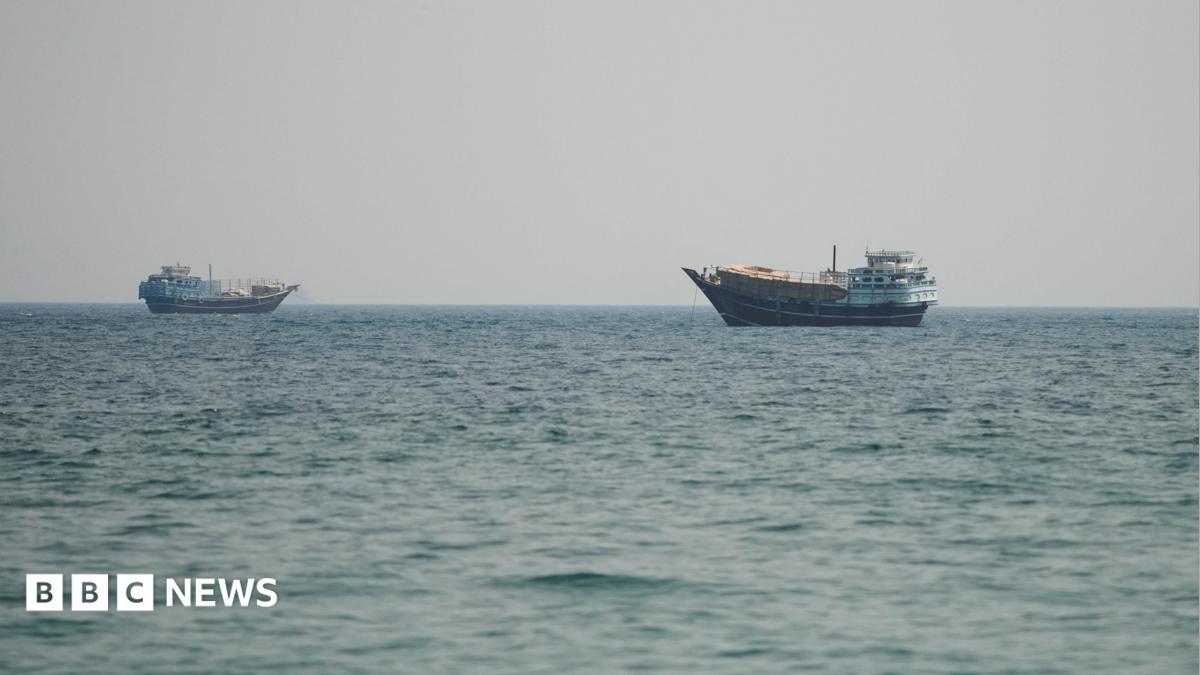
Trade US and Iran Trade Fire as Tensions Rise Over Strait of Hormuz
The US launched a new attack on Iran on Sunday evening, killing one person, according to Iranian state media. Iran's Islamic Revolutionary Guard Corps (IRGC) responded by striking US military bases in Kuwait, Jordan, and Bahrain. The Strait of Hormuz remains at the center of conflicting claims—Iran says it is closed, the US insists it is open. Oil prices jumped 4.3% in Asia on Monday, with Brent crude at $79.26 a barrel.
 Logistics
 Container Ship Attacked in Strait of Hormuz as Iran Widens War, Disrupting Global Trade
Iran attacked the container ship GFS Galaxy in the Strait of Hormuz, setting it afire and forcing crew to abandon ship. Iran declared the strait closed to vessel traffic and expanded missile/drone attacks on several Gulf states. Energy prices surged, and Maersk's planned Suez restart is threatened.
 Commodities
 Crude Oil Futures Gain on Reports of Iranian Strikes on US Military Targets in West Asia
Crude oil futures gained on Friday morning following reports of Iranian armed forces launching attacks on US military infrastructure in West Asia. At 9:36 am, September Brent oil futures were at $76.64, up 0.45%, and August WTI crude oil futures at $72.40, up 0.44%. The escalation follows recent US strikes on Iranian targets, including approximately 90 military assets on July 8 and 80 on July 7, in response to attacks on commercial shipping in the Strait of Hormuz.
 Commodities
 Brent crude surges to $78 per barrel on fresh US strikes on Iran and West Asia tensions
Brent crude surged to $78.68 per barrel on Thursday after the US launched fresh strikes on Iran and President Trump declared the ceasefire 'over'. West Texas Intermediate also climbed. The escalation in West Asia raised fears of supply disruptions, pushing oil prices higher after after-hours gains on Wednesday.
Commodities Crude oil futures rise as US continues attacks on Iran, Strait of Hormuz tanker crossings plunge
Crude oil futures advanced on Thursday after US forces conducted a second day of strikes against Iranian military targets, escalating tensions in the Strait of Hormuz. September Brent rose 1.12% to $78.89/barrel, while August WTI gained 1.14% to $74.36. ING Think strategists noted the ceasefire appears on life support, and vessel tracking data showed Strait of Hormuz tanker crossings fell to just seven, the lowest since June 21.
 Commodities
 Crude Chaos: Oil Near $80 a Barrel After Trump Declares US-Iran Ceasefire ‘Over’
Oil prices surged toward $80 a barrel after US President Donald Trump declared the US-Iran ceasefire 'over' and launched fresh strikes. Brent crude rose 1.31% to $79.04, extending a 5% rally. Maritime authorities raised the Strait of Hormuz threat level to 'severe' following tanker attacks, reigniting inflation fears.
 Commodities
 Oil Jumps Nearly 5% as Trump Declares Iran Ceasefire 'Over'; Wall Street Falls
Oil prices surged nearly 5% and US stocks fell on Wednesday after President Donald Trump declared the ceasefire with Iran effectively over, raising fears of renewed disruptions to global energy supplies. Brent crude rose 4.8% to $77.74 a barrel, while the S&P 500 dropped 0.5% and the Dow lost 550 points.
 Logistics
 Container Rates Near $9,000 on Asia-US East Coast as Iran War Flares
Container rates on the Asia-US trans-Pacific trade lane surged to nearly $9,000 per FEU on the East Coast, up 8% week-over-week, as renewed hostilities between the US and Iran disrupt shipping and delay Maersk's planned return to the Suez Canal. General rate increases and peak season surcharges have added over $3,000 per FEU since late May. Congestion is building at major Asian ports including Shanghai, Ningbo, Yantian, Singapore, Busan, and Colombo.
 Trade
Trade North Korean $1.5B Crypto Heist Traced to Iran Central Bank Wallets
The $1.5 billion crypto heist from Bybit, operated by North Korean hackers, has been traced through blockchain analysis to wallets linked to Iran's central bank, with funds moving through CoinEx exchange. The case underscores growing challenges in enforcing sanctions as cryptocurrency becomes integrated into Iran's financial networks.
Iran's Inflation Surges to 88.6% as War Deepens Economic Crisis, Times of India Reports
According to a Times of India article, Iran's inflation rate has reached 88.6% as the country's war deepens the economic crisis. No further details are provided in the original report.
 Trade
Trade Iran-US Interim Peace Deal May Support India's Growth But Inflation and Fiscal Risks Remain: RBI
The Reserve Bank of India, in its bi-annual Financial Stability Report, stated that the interim peace deal between Iran and the United States could support India's economic growth by normalising supply chains and easing geopolitical tensions. However, it warned that elevated oil and commodity prices, along with weaker global growth, could weigh on domestic expansion in 2026-27, while inflation and fiscal deficit pressures remain key concerns.
 Trade
Trade Iran rushes to sell oil to India after Trump sanctions waiver – all you need to know
Following a 60-day sanctions waiver from the Trump administration, Iran is rushing to sell crude to Asian buyers including India. Around 68 million barrels of oil are floating at sea, over 80% without confirmed destination. However, Asian refiners remain cautious due to policy uncertainty and sanctions complexities.
 Trade
Trade US revokes Iranian oil sanctions waiver after three tankers hit in Strait of Hormuz
The United States revoked a sanctions waiver allowing Iranian oil sales after three tankers were hit by projectiles in the Strait of Hormuz. The license, issued under an interim US-Iran agreement, was lifted due to Tehran's 'unacceptable' actions. Iran condemned the move as a breach of the deal.
Commodities Crude Oil Surges Over 6% as Trump Declares Iran Ceasefire 'Over'
Oil prices surged more than 6% after US President Donald Trump declared the interim ceasefire with Iran 'over' following US strikes on Iran in response to attacks on three ships in the Strait of Hormuz. Brent crude rose 6.3% to $78.80 a barrel, and US benchmark crude jumped 6.4% to $75.00. The move raises uncertainties over inflation and coincides with concerns over AI stock valuations.
 Commodities
 Crude Oil Futures Surge as US Strikes Iran and Revokes Oil Sales Waiver
Crude oil futures traded sharply higher on Wednesday following US military strikes on Iran and revocation of a waiver allowing Iranian oil sales. September Brent rose 2.56% to $76.06/barrel, while August WTI gained 2.51% to $72.21. The US struck over 80 targets in Iran after Iranian attacks on commercial vessels in the Strait of Hormuz, and revoked a temporary licence for Iranian oil exports, heightening geopolitical risk.
 Commodities
 Gold wavers as investors weigh US strikes on Iran, await Fed minutes
Gold prices fluctuated on Wednesday as fresh US military strikes against Iran boosted oil and the dollar, stoking inflation fears. Investors awaited the release of the Federal Reserve's June meeting minutes for direction on interest rates. Spot gold rose 0.5% to $4,125.59 per ounce after earlier hitting its lowest since July 2.
 Commodities
 Global oil output to return to pre-Iran war level by year's end, US EIA says
The U.S. Energy Information Administration (EIA) reported that global oil output and trade flows should rebound fully by the end of 2026 from disruptions caused by the Iran war. The agency cut its Brent crude price forecast to $74/barrel for Q3, down from $85 in June and a previous estimate of $101. The easing of the Strait of Hormuz blockade after a preliminary U.S.-Iran deal has enabled increased vessel movement, and the EIA expects most shut-in Middle East production to return by Q1 2027, lowering fuel prices.