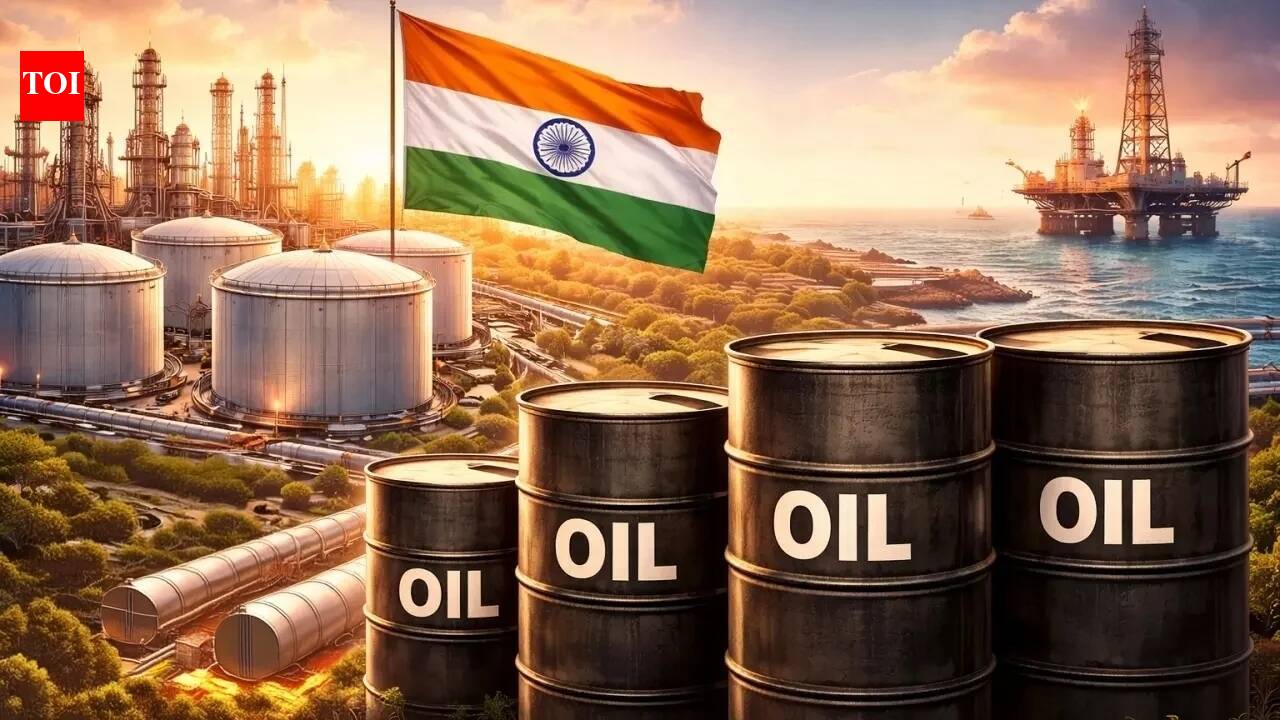
India imports 88 per cent of its annual crude oil requirements, totalling 1.8 billion barrels, or approximately 5 million barrels per day. Of this, 48 per cent — 2.4 million barrels per day — came from the Gulf region in FY 2025-26, according to figures cited by Col Rajeev Agarwal (Retired), Senior Research Consultant at CRF. When the Iran war erupted, the Strait of Hormuz closure cut off that supply, forcing India to scramble for alternatives and tap its Strategic Petroleum Reserves (SPR).
India’s Dependence on Gulf Oil
Prior to the conflict, India sourced nearly half its crude from the Gulf region. The war demonstrated the fragility of this reliance. The reopening of the Strait of Hormuz on 23 June, following the MoU signed by President Trump and President Pezeshkian on 16 June and the operationalisation of the 60-day Roadmap, has restored shipping flows — nearly 90 ships transited the Strait on that day. The removal of sanctions on Iranian crude and gas, at least until 21 August, along with the Israel-Lebanon ceasefire holding, has eased immediate pressures. However, the crisis exposed India’s limited buffer.
Strategic Petroleum Reserves: Gaps and Lessons
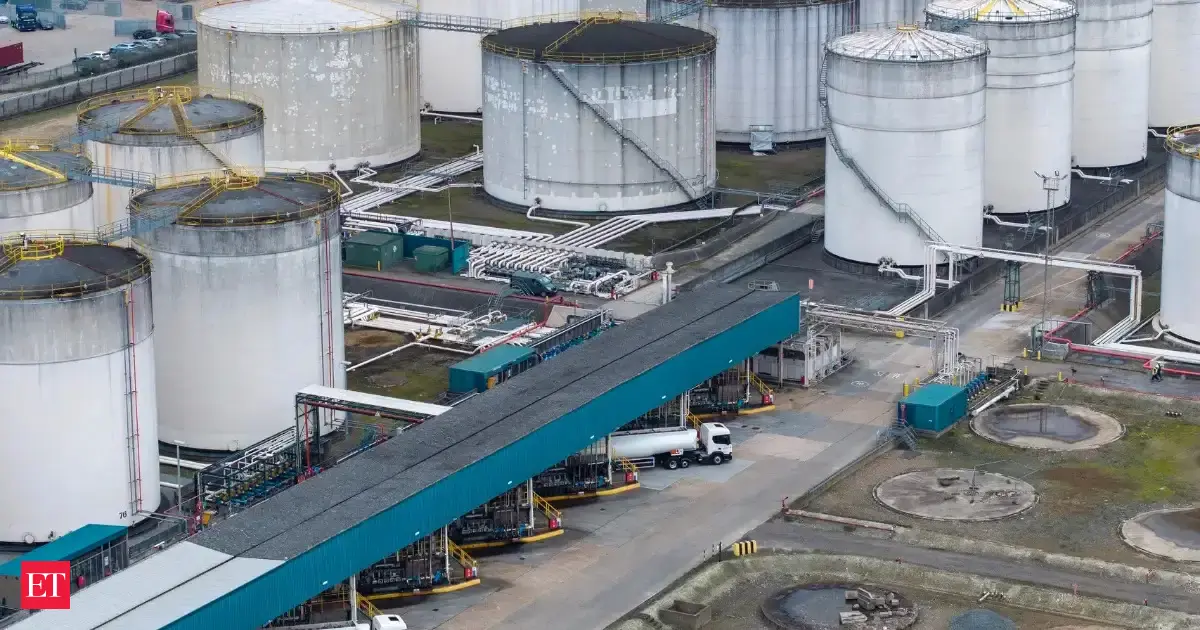
India’s installed SPR capacity stands at 5.33 million metric tonnes (MMT) or 39 million barrels, stored in underground caverns at Visakhapatnam (1.33 MMT), Mangaluru (1.5 MMT), and Padur (2.5 MMT). Yet, at the war’s onset, actual storage was only 24.7 million barrels — 64 per cent of capacity. This gave India just 5 days of planned coverage, far below the targeted 7.8 days. Including floating stocks on tankers, refinery and pipeline stocks, total reserves on 28 February 2026 amounted to 74 days.
| Location | Installed Capacity (MMT) | Actual Storage at War Start (million barrels) |
|---|---|---|
| Visakhapatnam | 1.33 | Not specified (part of total) |
| Mangaluru | 1.5 | Not specified |
| Padur | 2.5 | Not specified |
| Total | 5.33 (39 million barrels) | 24.7 million barrels (64%) |
Additionally, Phase 2 of SPR — sanctioned in 2021 for 6.5 MMT (47.6 million barrels) at Chandikol (4.0 MMT) and Padur Phase 2 (2.5 MMT) — remained on paper. The combined shortfall from existing storage and unbuilt phase 2 meant India lost 61.9 million barrels or 12.5 days of reserves. If fully commissioned and filled, the country would have had 17 days (87 million barrels) of SPR cover.
Cost of the War: A Fiscal Burden
The crude price spike from $70 per barrel before the war to around $110 per barrel — an increase of $40 — had enormous fiscal implications. Against an annual import of 1.8 billion barrels, the additional cost theoretically adds up to $72 billion, potentially reaching $80 billion after inflated insurance and shipping costs. To put that in perspective, India’s defence budget for FY 2026-27 is pegged at $86 billion. According to official reports, Indian oil companies were bleeding Rs 700 crore per day in May 2026 despite moderate price hikes.
Future Implications: Pricing Reserves Over Physical Storage
The war underscored that physical SPR alone is insufficient. The concept of strategic pricing reserves — financial instruments or contractual mechanisms to hedge against price spikes — is gaining traction as a complementary shield. With the immediate crisis subsiding, India must address the gaps in its SPR programme and explore pricing reserves to protect its economy from future shocks. The next few months will be critical as negotiations on Iran’s nuclear and ballistic missile programmes proceed, and as global oil markets adjust to resumed Iranian exports.
Sources: