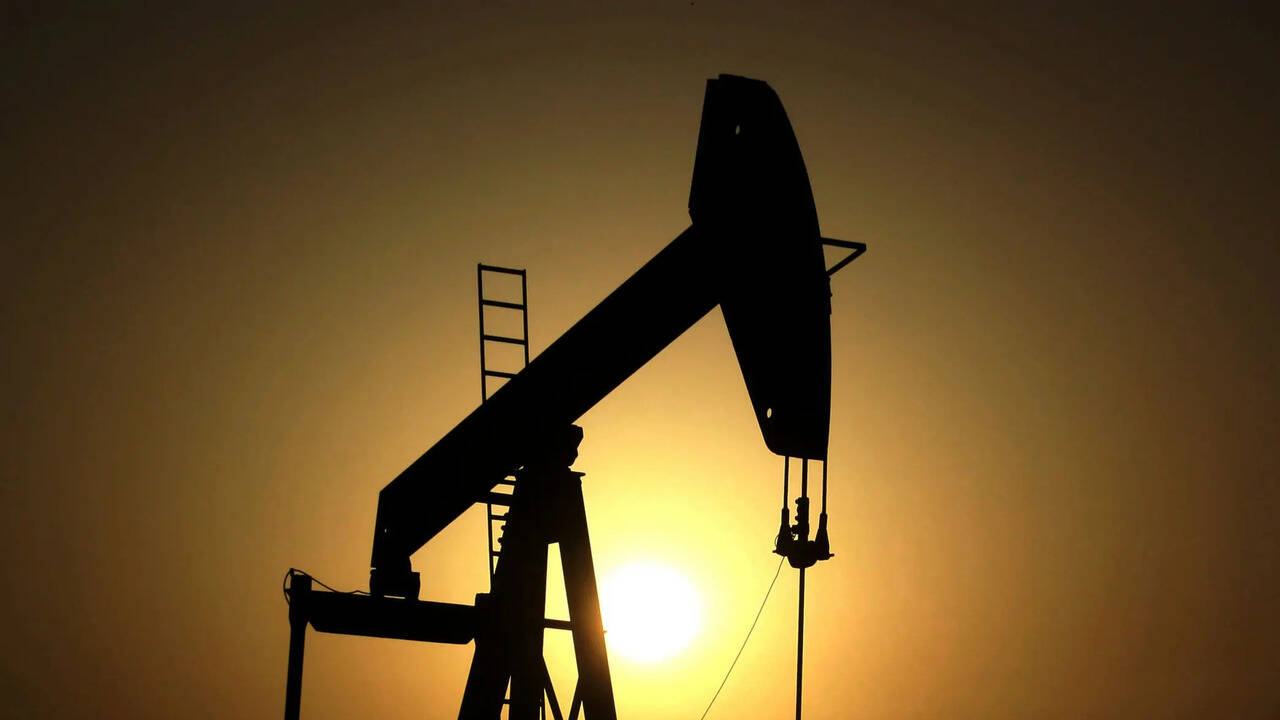
Brent crude oil prices surged toward $97 per barrel on Thursday, July 23, 2026, increasing the likelihood of crossing the $100 mark as seen in March, according to analysts cited by The Hindu BusinessLine. The rise is expected to widen India's current account deficit and push inflation to 4.1%, as the country imports nearly 85-90% of its crude requirement.
Geopolitical Risks Keep Oil Prices Elevated
As per market analyst Ajay Bagga, continued crude oil and gas disruptions with elevated geopolitical risk are overlaying a recovery in the chips and AI trade. Bagga stated, "With Brent at $96, and with Houthi's striking Saudi tankers in the Red Sea, oil prices seem headed to $100, stressing 'Peace hopes have reduced as Marco Rubio said the Iranians are not interested in peace.'" At the time of reporting, Brent crude was trading at around $95.91 per barrel, while WTI crude was at around $88.06 per barrel.
Manoranjan Sharma, Chief Economist at Infomerics Valuation and Rating Limited, noted that Brent crude has already crossed $100 per barrel in early March 2026 and could remain at or above that level in the near term. He highlighted that major forecasters, including Goldman Sachs, see prices remaining above $100 and up to $120 through 2026 if Hormuz disruptions persist. However, Sharma added that the outlook is uncertain.
Supply and Demand Factors
| Factor | Impact |
|---|---|
| Escalation in West Asia | Upside risk to prices |
| OPEC+ supply discipline | Upside risk to prices |
| Demand destruction | Could limit price rise |
| Global slowdown | Could limit price rise |
| Coordinated strategic petroleum reserve releases | Could limit price rise |
Sharma further noted that escalation in West Asia and continued OPEC+ supply discipline pose upside risks, while demand destruction, a global slowdown, and coordinated strategic petroleum reserve releases could limit the rise.
Higher Oil Prices May Hit India's Growth and Inflation
India, importing nearly 85-90% of its crude requirement, is particularly vulnerable to sustained oil prices above $100, according to Sharma. "Including freight and war-risk premia, its effective cost could be $115 per barrel. Accordingly, India's import bill will increase and current account deficit will widen which will further push the Rupee downwards," he said.
Sharma provided a detailed analysis of potential economic impacts:
- If crude averages $100 for a year, GDP growth could fall to 6.6% and inflation rise to 4.1%.
- Every $10 per barrel increase could add nearly $20 billion—around 0.5% of GDP—to the current account deficit and shave 15-50 basis points off growth.
- Higher oil prices would also strain fiscal balances, compress corporate margins, and delay an earnings recovery.
Implications for Commodity Traders and Analysts
For commodity traders and analysts tracking energy markets, the key takeaway is the heightened geopolitical risk premium embedded in Brent crude, with Houthi strikes on Saudi tankers in the Red Sea adding to supply concerns. The potential for Brent to test $100 and beyond, as forecast by Goldman Sachs, warrants close monitoring of West Asian developments and OPEC+ compliance. India's vulnerability underscores the macroeconomic ripple effects, with implications for refinery margins, petrochemical feedstock costs, and currency markets. The upcoming EIA inventory data and any changes in OPEC+ production targets will be critical to watch.
Sources: