Brent crude futures surged 2% to $96 per barrel on Thursday, the highest since June 8, as geopolitical risk in the Middle East intensified, according to Reuters. US West Texas Intermediate (WTI) crude climbed 1.7% to $88.27, following a near-3% gain the previous session. The rally was driven by escalating US-Iran hostilities and Houthi attacks on oil tankers in the Red Sea.
Geopolitical Drivers
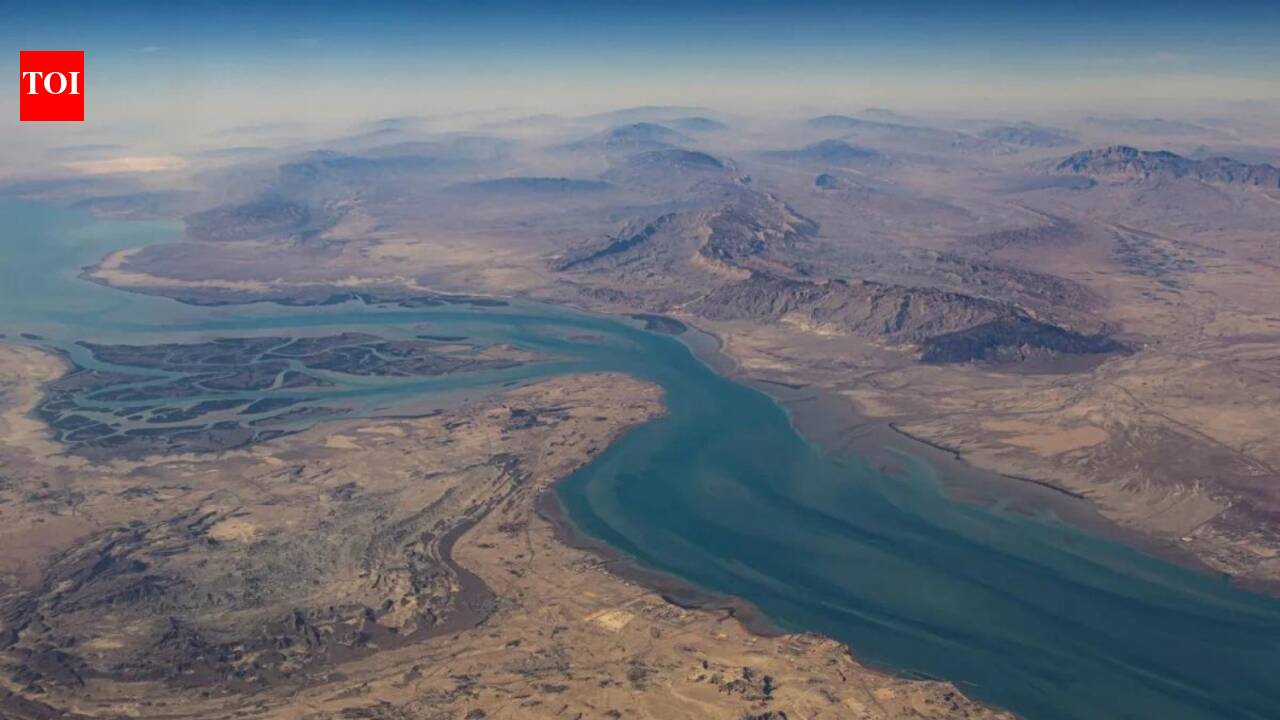
The US military carried out a 12th consecutive night of strikes on Iran, hours after US President Donald Trump vowed to destroy an Iranian bridge or power plant every time Iran fires on a ship in the Strait of Hormuz. In response, Iran's Revolutionary Guards claimed that an oil tanker had caught fire after an explosion while attempting to navigate what they described as a mined route south of the Strait. The Guards declared the waterway "completely closed" during US actions and warned no tanker could enter or leave without coordination with Iran.
Simultaneously, the Iran-aligned Houthi group opened a new front by threatening to target vessels carrying Saudi oil in the Bab el-Mandeb Strait and announced a naval blockade of Saudi Arabia. The Houthis said they had carried out a military operation targeting two Saudi oil tankers; maritime security reports confirmed that one of the named vessels, the Saudi-flagged tanker Encelia, had been hit in the Red Sea. The Houthis also claimed to have forced around 10 ships to retreat and return after warning vessels against sailing to Saudi ports, though Reuters could not immediately verify this.
Supply-Side Developments
The disruption threats at key chokepoints—the Strait of Hormuz and the Bab el-Mandeb Strait—heighten concerns about global energy supply. Iran's Revolutionary Guards’ spokesperson further warned shipping companies that the southern route of the Strait of Hormuz is mined, in a post on X.
On the US supply side, crude stocks rose by 2 million barrels last week, according to the Energy Information Administration (EIA). This build was driven by easing refinery runs, lower crude exports, and higher imports. Analysts polled by Reuters had anticipated a 1.1 million-barrel draw, making the reported increase a bearish surprise.
| Benchmark | Price (July 23) | Change vs Prior Close | 6-Week High? |
|---|---|---|---|
| Brent Crude | $96/barrel | +$1.93 (+2%) | Yes (since June 8) |
| WTI Crude | $88.27/barrel | +$1.44 (+1.7%) | Yes |
Demand-Side Context
While the source does not provide explicit demand trends, the supply disruption risks inherently tighten the market balance. The Houthi blockade of Saudi Arabia in the Red Sea threatens to disrupt energy flows beyond the Gulf region, potentially reducing available barrels for global consumption.
Implications for Traders and Analysts
The combination of direct US-Iran military action, a declared closure of the Strait of Hormuz, and a maritime blockade by the Houthis creates a multi-front supply risk that traders must monitor closely. The unexpected US inventory build, however, offers some near-term domestic cushion. The next key data release will be the EIA's weekly petroleum status report, which will confirm whether stock draws resume amid rising geopolitical premiums.
Sources: