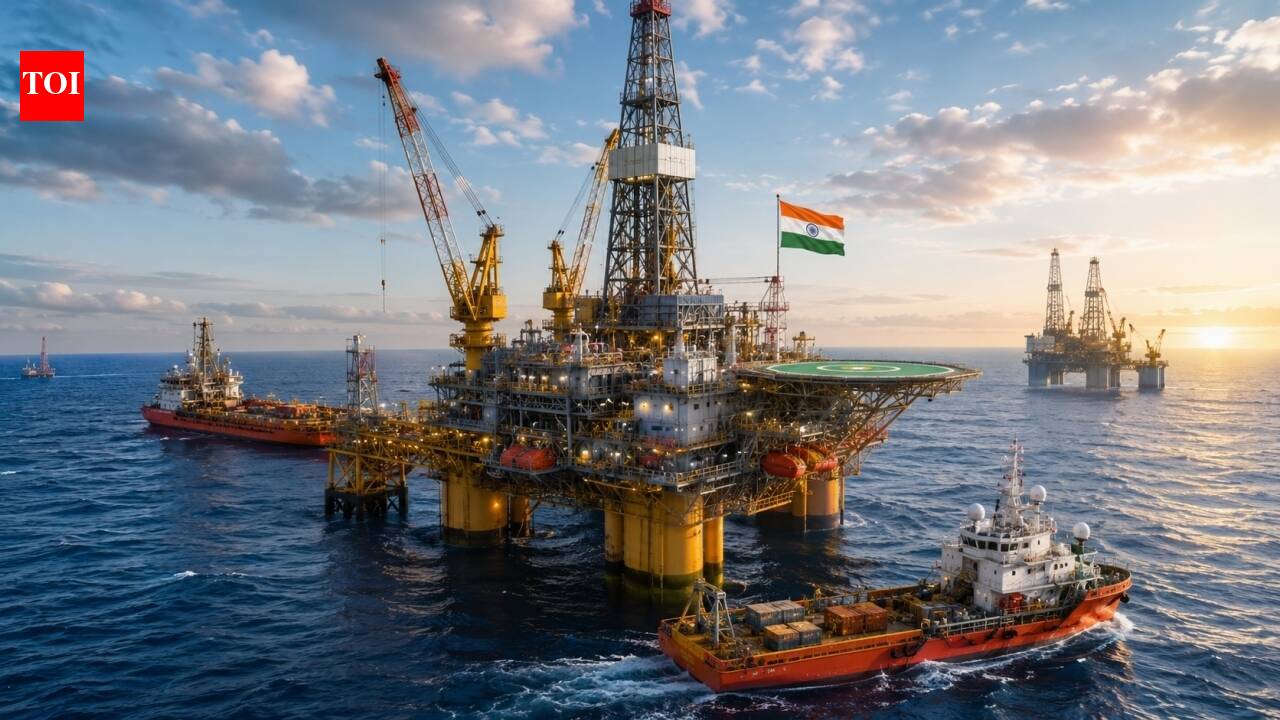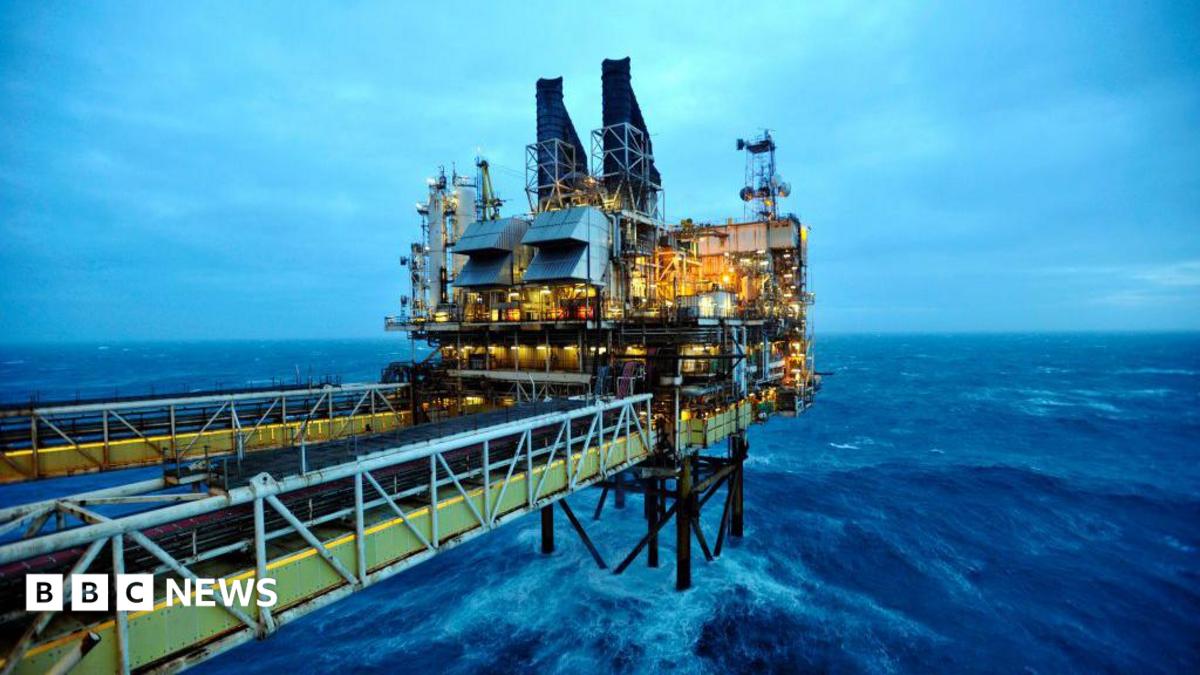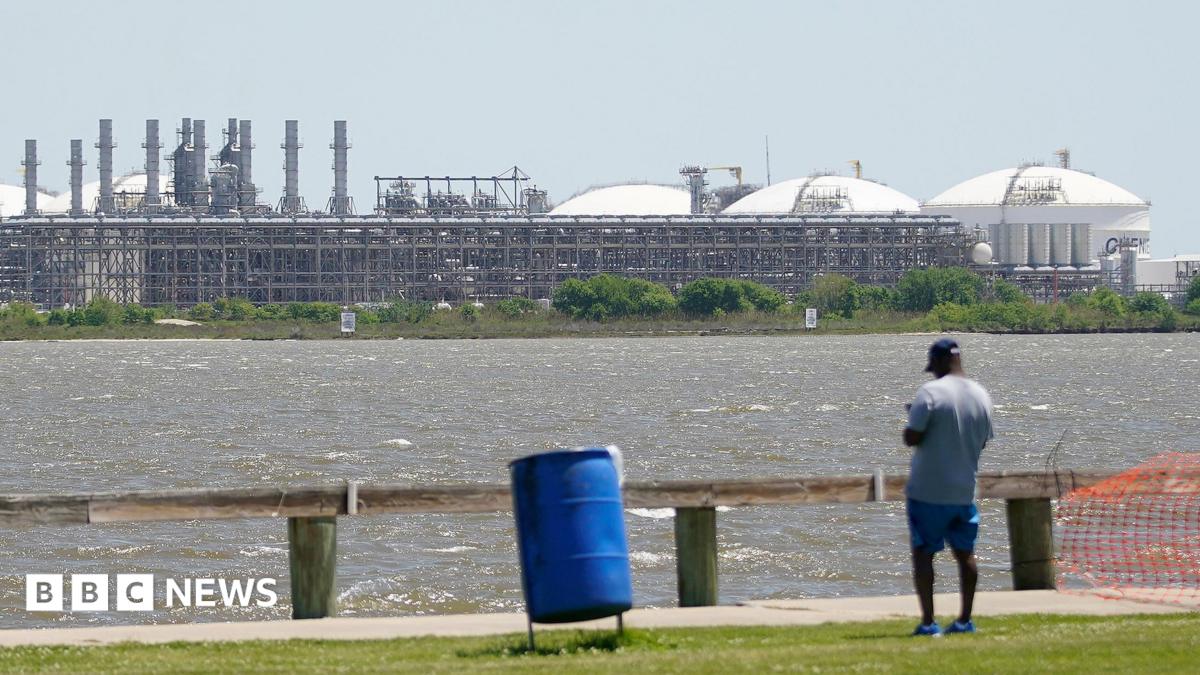
A Louisiana parish that was flattened by Hurricane Rita two decades ago has risen to become the world's largest hub for liquefied natural gas (LNG) exports, generating billions in tax revenue and reshaping global energy trade. Cameron Parish, home to about 4,700 people, now hosts the world's largest LNG export terminal — Sabine Pass — along with two other terminals and a fourth under construction, according to a BBC report.
From Catastrophe to Energy Capital
In 2005, Hurricane Rita ripped through Cameron Parish, destroying or badly damaging more than 90% of homes and leaving a $2.75bn (£2bn) repair bill. "It looked like a war zone," recalled Michael Fewell, now president of the parish council, who was 16 at the time. "They were, by far, some of the darkest days of my life." Today, Fewell says the parish is on course to become one of the wealthiest in the region: "We are going to have more money than we need." The driver of this reversal is LNG. The Sabine Pass terminal, which started exporting in 2016, can process 29.5 million tonnes per year, making it the largest in the world. LNG is created by super-chilling natural gas to -162°C, reducing its volume by 600 times for efficient shipping.
Supply Side: Terminals and Capacity
| Terminal | Status | Capacity (million tonnes/year) | Notes |
|---|---|---|---|
| Sabine Pass | Operating | 29.5 | World's largest |
| Commonwealth LNG | Under construction | 9.5 (expected by 2030) | $13bn project, started May 2026 |
| Two additional terminals | Operating | Not specified | Located in Cameron Parish |
The United States is now the world's biggest LNG supplier, and Louisiana ships about 60% of US LNG. Two-thirds of Louisiana's LNG exports leave from Cameron Parish, sourced via pipelines from Texas, other parts of Louisiana, and even Pennsylvania. Tim Wyatt, president of Commonwealth LNG's parent company Caturus, said the US is experiencing an LNG boom because of "cheap, abundant supply here, while being a flexible, reliable, relatively low cost and transparent producer that flows to the places that need it the most."
Economic Windfall
Across all its LNG terminals, Cameron Parish is projected to receive tax revenues of more than $4bn over the next decade. The wealth effect is already visible: median household income rose from $59,555 in 2010 to $75,000 in 2024 — a 26% increase, according to Fewell.
Environmental and Local Concerns
Not all consequences are welcome. LNG tankers are so large that shipping channels must be dredged deeper and wider. In one incident last year, about 15,000 cubic yards of removed material spread beyond its permitted area. Fewell acknowledged local frustration: "There is a lot of ship traffic and there's been some frustration, it's fully understood." But he emphasised the wealth creation as the overriding benefit.
Demand Driver: Europe's Energy Shift
Much of the overseas demand for American LNG comes from Europe, which after Russia's invasion of Ukraine in 2022 rushed to replace Russian natural gas. The BBC report noted this geopolitical shift as a key catalyst for the US LNG boom, directly benefiting Cameron Parish's terminals.
For commodity traders and analysts, the expansion of US LNG capacity — particularly the 9.5 million tonne addition from Commonwealth LNG by 2030 — signals sustained supply growth that could influence global gas prices and trade flows. The concentration of export infrastructure in one parish highlights both the scale of US liquefaction capacity and the logistical dependencies around Gulf Coast channels.
Sources: