Crude oil futures traded higher on Monday morning after a series of US and Iranian attacks in West Asia that began on Thursday, according to The Hindu Business Line. At 10 am on Monday, September Brent oil futures on the ICE were at $73.27, up by 0.92 per cent, and August crude oil futures on WTI (West Texas Intermediate) on the NYMEX were at $70.05, up by 1.18 per cent. On the Multi Commodity Exchange (MCX) in India, July crude oil futures were trading at ₹6,639 against the previous close of ₹6,577, up by 0.94 per cent, and August futures were at ₹6,637 against ₹6,579, up by 0.88 per cent.
Ceasefire and Diplomatic Efforts
According to an Axios report citing a US official, the United States and Iran have agreed to stop attacking each other, with both sides planning to meet Tuesday in Qatar's capital to work out their dispute over the Strait of Hormuz. Quoting an unnamed US official, the report said, 'We decided to stop all the kinetic activity.' A second official told Axios that both sides will stand down 'for now' and that 'vessels can move freely' as technical talks are set to continue.
In their Commodities Feed for Monday, Warren Patterson, Head of Commodities Strategy of ING Think, and Ewa Manthey, Commodities Strategist, stated that the US and Iran exchanged strikes over the weekend after attacks on vessels transiting the Strait of Hormuz, but have since agreed to pause hostilities ahead of another round of talks in Qatar later this week.
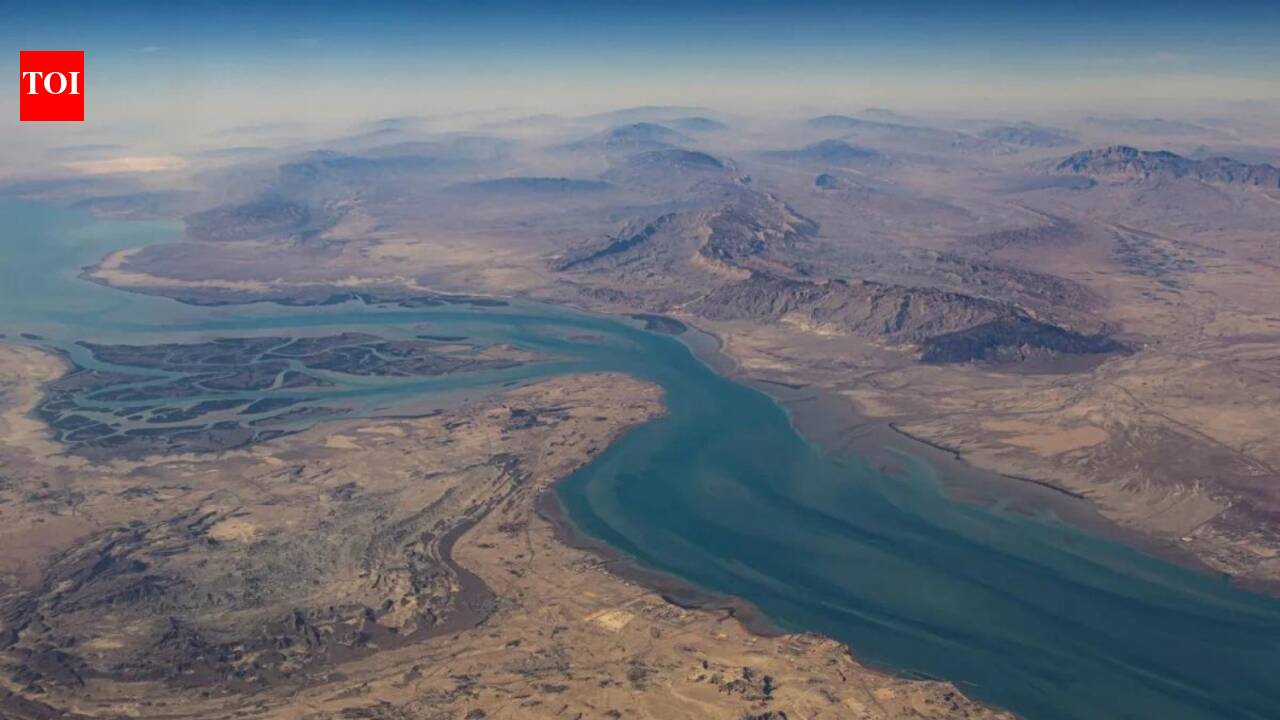
Strait of Hormuz Risk and Shipping
Despite the ceasefire, risks remain elevated. The Joint Maritime Information Centre raised its threat assessment for vessels navigating the Strait of Hormuz to 'substantial'. The oil tanker trade group Intertanko told its members to avoid sending tankers through the Strait of Hormuz, if possible. Additionally, Oman reportedly told European officials that there is no going back to a pre-war environment in the Strait of Hormuz, and that vessels transiting the strait may have to pay some fees.
Patterson and Manthey commented that all this demonstrates there is still plenty of risk facing the oil market. Even so, participants appear to be shrugging off these developments, instead focusing on what a continued recovery in oil flows would mean for the global balance.
This complacency is odd and clearly leaves significant upside risk if the supply recovery proves slow – or if we see significant re-escalation. While the oil market is technically in oversold territory, momentum appears to still be to the downside.
Other Commodities
On the MCX, July nickel futures fell 0.97 per cent to ₹1,606 against the previous close of ₹1,621.70. On the National Commodities and Derivatives Exchange (NCDEX), August dhaniya (coriander) contracts rose 1.19 per cent to ₹14,850, while July jeera (cumin) futures declined 0.77 per cent to ₹20,045.
Price Table
| Contract | Exchange | Price | Change (%) |
|---|---|---|---|
| September Brent | ICE | $73.27/barrel | +0.92% |
| August WTI | NYMEX | $70.05/barrel | +1.18% |
| July Crude Oil | MCX | ₹6,639/barrel | +0.94% |
| August Crude Oil | MCX | ₹6,637/barrel | +0.88% |
| July Nickel | MCX | ₹1,606/kg | -0.97% |
| August Dhaniya | NCDEX | ₹14,850/quintal | +1.19% |
| July Jeera | NCDEX | ₹20,045/quintal | -0.77% |
Outlook
The tentative ceasefire and upcoming Qatar talks provide a short-term reprieve, but the 'substantial' threat level in the Strait of Hormuz and warnings from Intertanko and Oman suggest that supply disruptions remain a real possibility. ING Think's analysts caution that market complacency leaves significant upside risk for crude oil prices if the supply recovery disappoints or if tensions re-escalate. Traders will closely watch the outcome of the Qatar talks later this week for further direction.
Sources: