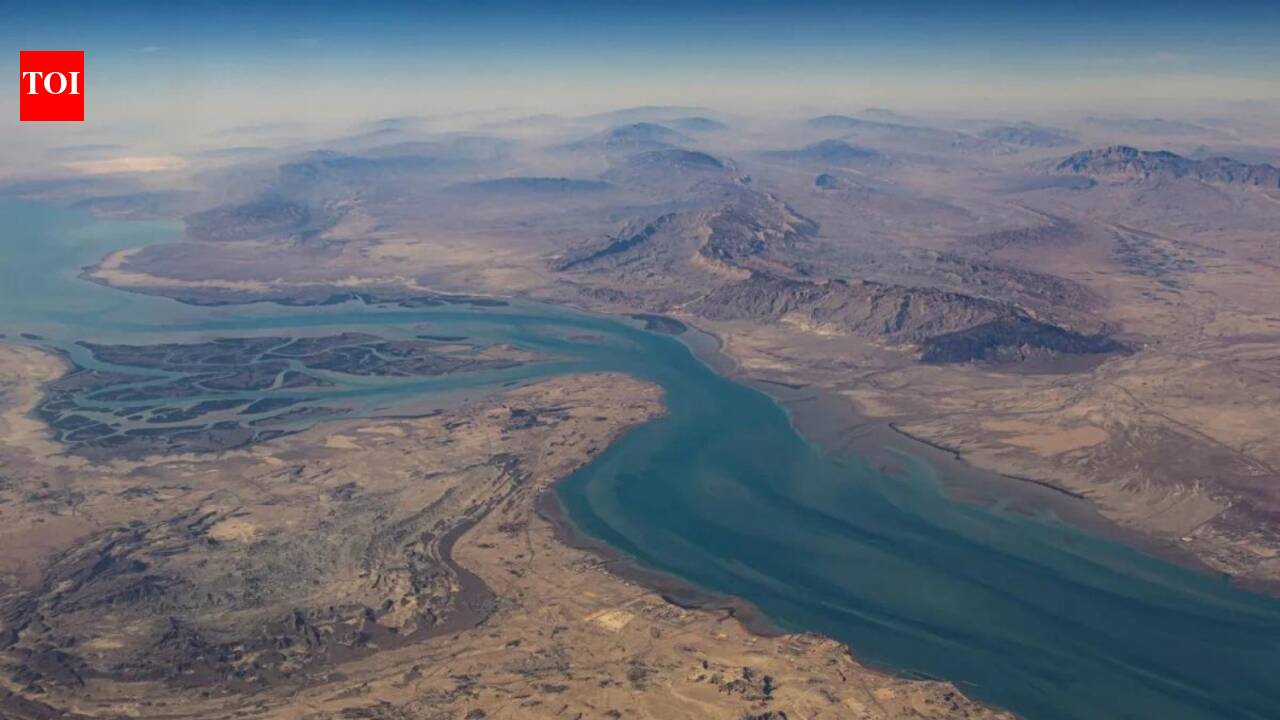
The closure of the Strait of Hormuz amid the US-Iran conflict has triggered the largest oil supply disruption in history, yet crude oil prices have not spiralled out of control as they did during the 1973 Arab oil embargo or the 1990 Gulf War, according to a report by the Asian Development Bank (ADB).
Supply Disruption Magnitude
Global oil supply fell by 13.6 million barrels per day (bpd), approximately 13% of 2025 global output, the ADB report states. This loss exceeds every previous oil crisis:
| Crisis | Peak Supply Loss (million bpd) |
|---|---|
| 1973 Arab oil embargo | 4–6 |
| 1990 Gulf War | 4–6 |
| 2022 Russian invasion of Ukraine (initial) | ~1 |
| 2025 Strait of Hormuz closure | 13.6 |
Despite this record disruption, Brent crude prices in the spot market briefly surged to around $144 per barrel before easing as markets adjusted, the report noted. Adjusted for inflation, prices remained well below levels seen in 1973 or 1990.
Why Prices Have Not Spiked
Analysts point to a fundamentally more resilient market structure. Pranav Master, Director at Crisil Intelligence, explained: "The market structure has fundamentally changed. In the 1970s, OPEC controlled more than half of global production, tightening supply and sustaining price pressure. Now, non-OPEC sources — including US shale as well as production from Brazil, Russia and Canada — can ramp up output within months, blunting the length and intensity of price spikes."
Sourav Mitra, Partner – Oil & Gas at Grant Thornton Bharat, added that the global oil market has undergone a "profound structural shift in resilience" since the 1970s. "This transformation is rooted primarily in global macroeconomic diversification: the oil intensity of global GDP has declined by over 50% over the last five decades," he explained. Today's economies are far less reliant on crude oil per unit of economic output due to the dominance of service-oriented sectors, stringent vehicle fuel efficiency mandates, and alternative energy integration.
Alternative Routes and Non-OPEC Output
The ADB report highlighted that not all Middle Eastern oil exports were lost. Some producers bypassed the Strait of Hormuz by using alternative routes. Saudi Arabia increased shipments from its Red Sea terminals, and the UAE exported through Fujairah. This rerouting mitigated the supply shock.
Furthermore, higher output and exports from producers outside the Middle East offset some losses. US crude exports reached a record 5.6 million bpd in May, while a temporary waiver of sanctions on Russian oil shipments widened access to alternative supplies and helped redirect crude to affected importers.
A greater share of global crude production now comes from non-OPEC producers, reducing reliance on a smaller group of suppliers and improving the market's ability to respond when prices rise, according to Pranav Master.
China's Demand Pivot
Adding to the supply-side resilience is China's rapid domestic energy pivot. As the world's largest importer, China's aggressive rollout of electric vehicles (EVs) and high-speed rail networks has substantially dampened its incremental demand growth.
Implications for Traders and Analysts
The current episode underscores a paradigm shift: the oil market today is more diversified geographically and structurally less vulnerable to single-chokepoint disruptions. For commodity traders and procurement teams, this means that while geopolitical risk premiums may spike, the duration and magnitude of price surges are likely to be constrained by the ability of non-OPEC producers and alternative logistical routes to respond. The ADB's analysis suggests that the market's newfound flexibility in supply and demand will continue to cap extreme price movements.
Sources: