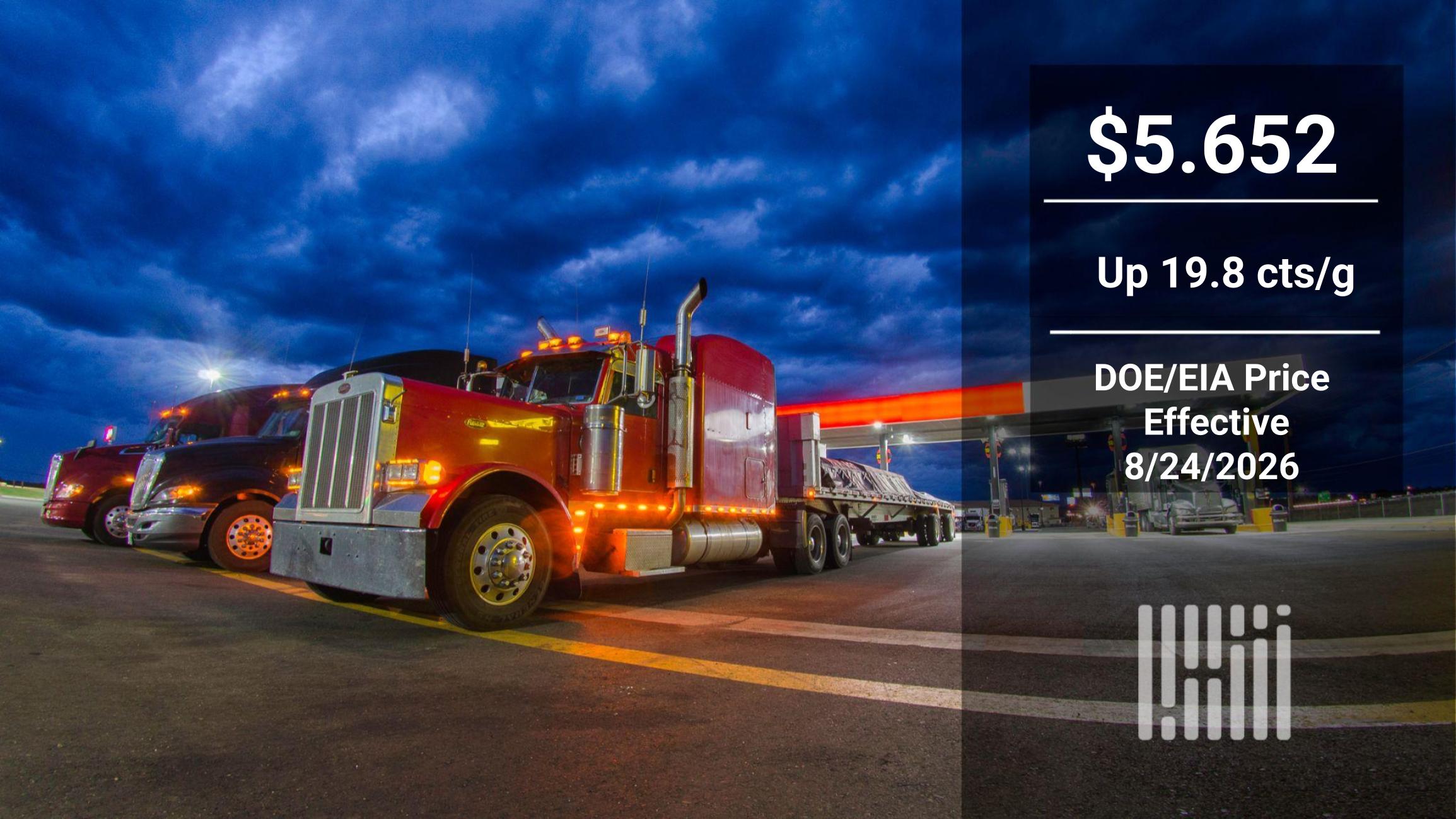
Diesel prices recorded their largest weekly increase since the Iran War, adding over 55 cents per gallon in just two weeks, according to the latest DOE/EIA report. The unprecedented surge has driven diesel to twice the price of Brent crude, underscoring severe imbalances in the global energy market.
Diesel Price Spike in Historical Context
The DOE/EIA data shows that diesel prices have surged at a pace not seen since the Iran War, with the cumulative two-week increase exceeding 55 cents per gallon. This rapid escalation has resulted in diesel trading at double the price of Brent crude, a historically wide premium that signals acute supply tightness. John Kingston, reporting for FreightWaves, broke down the impact of this price surge on the US industry and broader energy complex.
| Metric | Value | Source |
|---|---|---|
| Diesel price increase (2 weeks) | Over 55 cents/gallon | DOE/EIA |
| Diesel vs. Brent crude price ratio | 2:1 | FreightWaves analysis |
| Comparison period | Largest weekly jump since Iran War | DOE/EIA |
Supply and Demand Drivers
The DOE/EIA report did not specify the exact causes of the spike, but market observers point to a combination of refinery constraints, low inventories, and strong demand. The report highlights that the diesel market is under severe strain, with supply unable to keep pace with consumption. Additionally, the looming threat of hurricane season poses further risks to Gulf Coast refining capacity, which could exacerbate supply shortages. Geopolitical conflicts are also contributing to market uncertainty, as trade flows and refining operations face disruptions.
Impact on Logistics and Broader Energy Markets
The steep rise in diesel prices is a major blow to the logistics and transportation sector, which relies heavily on diesel fuel. Higher fuel costs ripple through the supply chain, increasing freight rates and squeezing margins for carriers and shippers. According to FreightWaves, the impact extends beyond diesel to natural gas and coal markets, as price dislocations in one energy source can lead to substitution effects and increased volatility across the board.
Outlook and Key Risks
The outlook for diesel prices remains highly uncertain. The DOE/EIA report signals that the market is vulnerable to further shocks, particularly from hurricane season and geopolitical tensions. If a major hurricane disrupts refinery operations in the Gulf of Mexico, diesel prices could spike even higher. Similarly, any escalation in geopolitical conflicts that affect oil production or trade routes would tighten supply further. For commodity traders and procurement teams, the key data to watch will be weekly DOE/EIA inventory reports and refined product output figures. The current price action suggests that diesel will remain a critical focus for energy markets in the coming weeks, with significant implications for logistics costs and overall economic activity.
Sources: