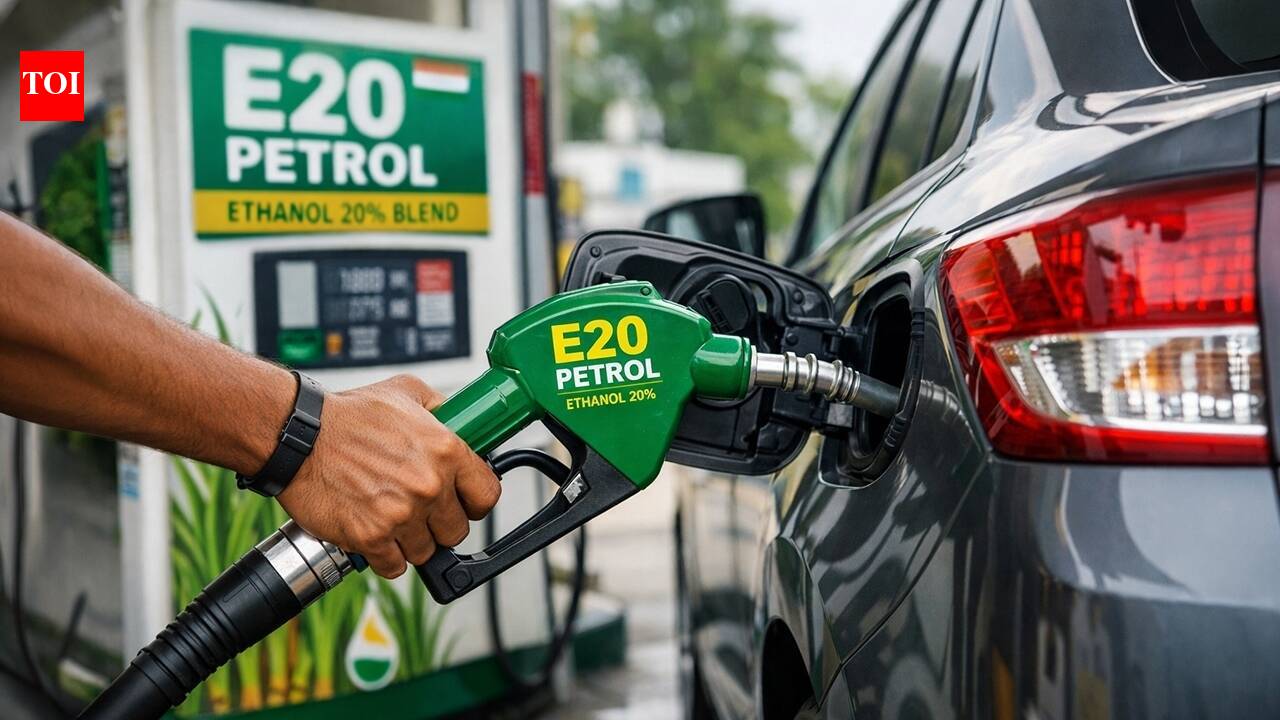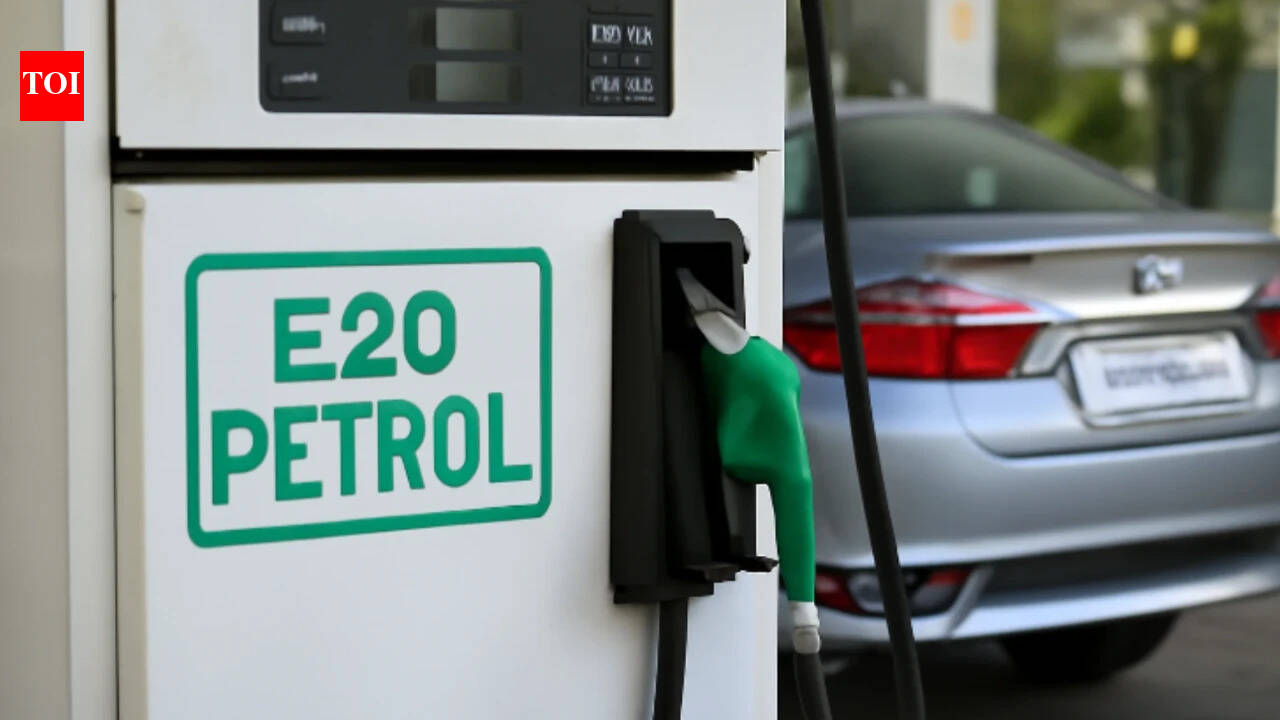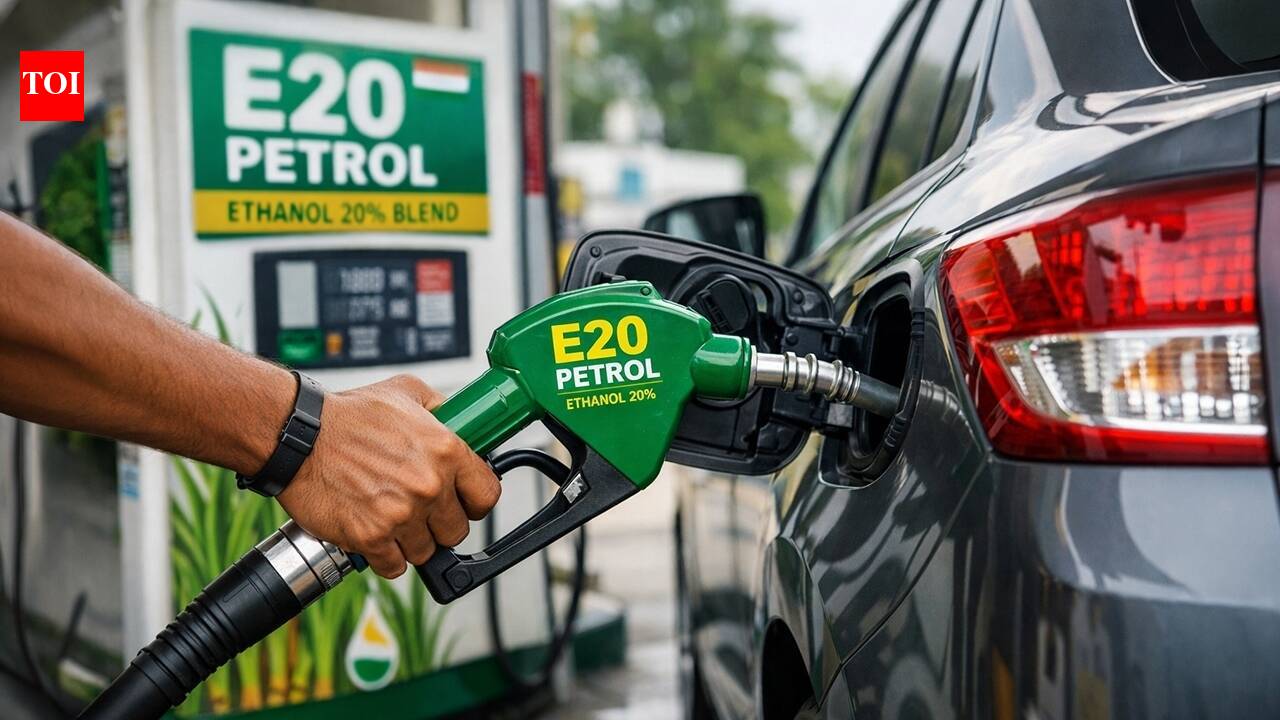
The Centre's push for mandatory 20% ethanol-blended petrol (E20) has ignited a political firestorm, with Opposition leaders pointing to a 2021 NITI Aayog report to question the nationwide rollout. The policy, which made E20 the standard fuel at petrol pumps across India in April 2025, departed from the phased transition and safeguards proposed in the report, according to critics. The controversy escalated after a Supreme Court hearing where Attorney General R Venkataramani referred to E20 as an "experiment", though the Centre later denied describing it as such.
What the NITI Aayog Roadmap Prescribed
Released in 2021, the NITI Aayog report laid out India's blueprint for transitioning to higher ethanol blending, arguing it would cut crude oil imports, enhance energy security, lower emissions, and create a stable market for agricultural feedstock. Crucially, it recommended a phased rollout: E10 (10% ethanol blend) should remain available nationwide until 2025 as a "protection fuel" for existing vehicles, while E20 was to be introduced gradually from April 2023 and become widely available by 2025. The report also proposed tax incentives to offset fuel efficiency losses, urging that E20 be priced lower than regular petrol through tax relief.
The report estimated significant fuel efficiency declines for older vehicles:
| Vehicle type | Estimated efficiency loss |
|---|---|
| Four-wheelers designed for E0 and calibrated for E10 | 6-7% |
| Two-wheelers designed for E0/E10 | 3-4% |
| Newer four-wheelers designed for E20 | 1-2% |
Regarding vehicle compatibility, the expert committee noted that while tests found no abnormal wear on engine metal components, certain rubber and plastic materials—including elastomers—performed poorly with E20 and would need replacement in newer vehicles. It also recommended that manufacturers introduce E20-compatible vehicles in phases, with material-compliant vehicles from April 2023 and fully E20-tuned vehicles from April 2025.
Why Consumers Are Worried
The biggest concern since the nationwide rollout has been mileage. Many vehicle owners report fewer kilometres per litre. Government-backed studies by the Automotive Research Association of India (ARAI), Indian Oil, and SIAM estimate fuel efficiency may decline by around 3-4%, with fuel consumption increasing by up to 6% in some vehicles. However, consumers claim the real-world impact is higher. A 2021 ARAI study, repeatedly cited by the government and automakers, found that certain rubber parts in fuel systems—such as hoses, gaskets, seals, and O-rings—showed signs of faster deterioration with E20 and "may need replacement" in E10-compatible vehicles. The study also recorded mixed results in engine durability: one BS-IV four-wheeler engine completed testing without issues, while a BS-VI turbocharged engine developed an exhaust valve problem. However, experts associated with the study said such failures can occur for multiple reasons and cannot automatically be attributed to E20 alone.
Implications for Commodity Markets
The E20 policy directly impacts the ethanol market and its feedstocks—primarily sugarcane and corn in India. The NITI Aayog report highlighted that higher ethanol blending would create a stable market for agricultural feedstock, boosting demand for these crops. For commodity traders, the shift to E20 means increased domestic ethanol consumption, potentially reducing India's crude oil import requirements—estimated at over 85% of its needs—and altering the demand balance for petrol. The policy also influences molasses and grain prices, as ethanol production competes with other uses. The controversy and potential policy adjustments could affect the pace of blending targets, offering either opportunities or risks for ethanol producers and feedstock suppliers. As the Supreme Court continues to hear petitions, market participants will watch for any changes to the rollout timeline or compensation mechanisms for affected vehicle owners.
Sources: