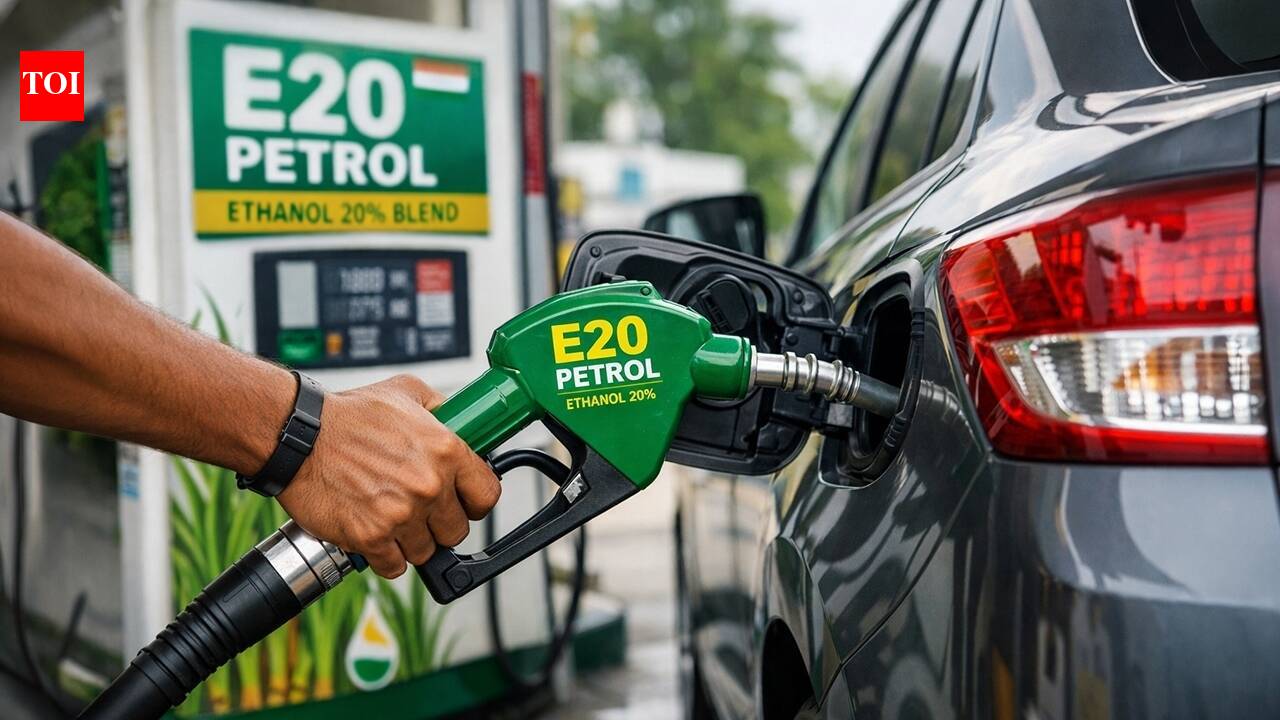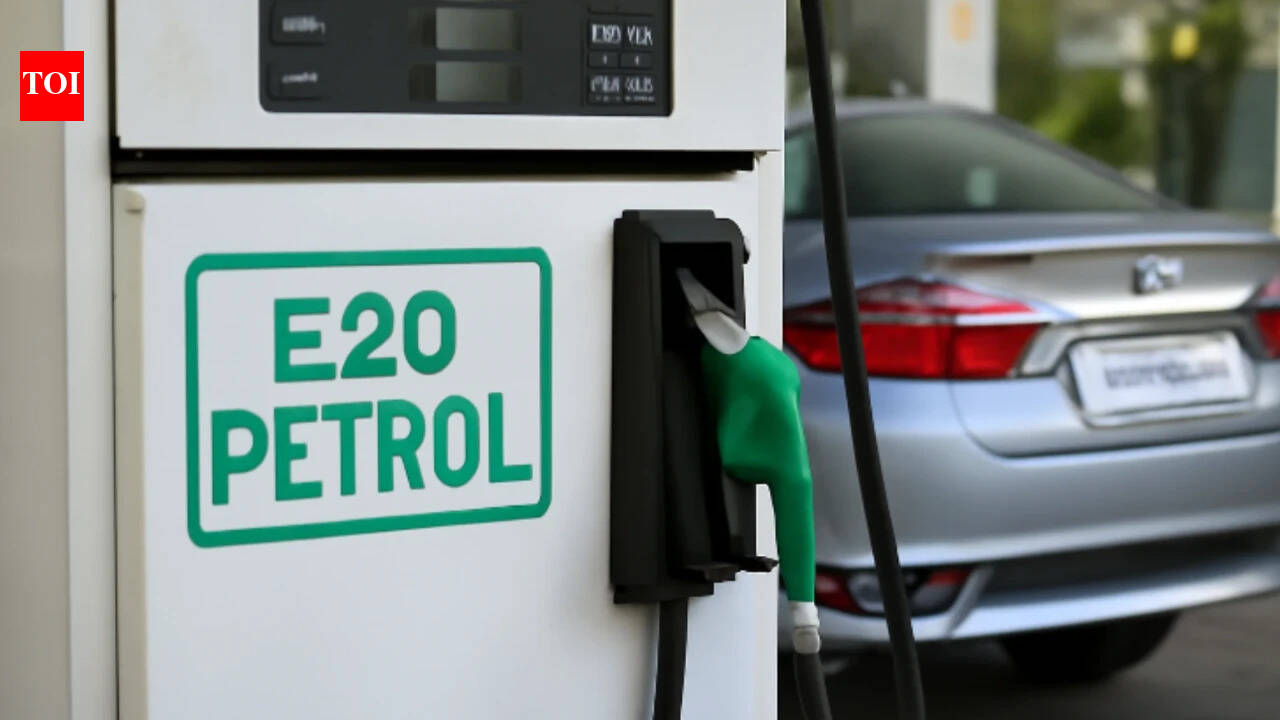
The Indian government has put forward two different official estimates of the fuel-efficiency loss when E20 petrol is used in vehicles designed for E10, according to Business-Today. The road transport ministry, citing a study by the Automotive Research Association of India (ARAI), the Society of Indian Automobile Manufacturers (SIAM) and Indian Oil Corporation, informed the Lok Sabha on Thursday that fuel efficiency of BS-III, BS-IV and BS-VI vehicles designed for E10 petrol "may be reduced by 2-6%, depending on the vehicle category and vintage" when operated on E20 fuel. The petroleum ministry, in a separate response to the Rajya Sabha on July 20, said that "any reduction in fuel economy in certain older E10-designed vehicles is generally limited to about 3-5%." Both statements rejected social media claims of substantial loss in mileage due to E20 petrol, the report said.
Two ministries, two estimates
Business-Today reported that the road transport ministry's estimate of a 2-6% reduction is drawn from a study by ARAI, SIAM and Indian Oil Corporation. The estimate applies to BS-III, BS-IV and BS-VI vehicles designed for E10 petrol, with the exact loss depending on "vehicle category and vintage." The petroleum ministry's narrower 3-5% range was delivered in the Rajya Sabha on July 20 and refers to "certain older E10-designed vehicles."
| Parameter | Road Transport Ministry | Petroleum Ministry |
|---|---|---|
| Estimated fuel-efficiency loss | 2-6% | About 3-5% |
| Vehicle coverage | BS-III, BS-IV and BS-VI vehicles designed for E10 petrol | Certain older E10-designed vehicles |
| Basis of estimate | Study by ARAI, SIAM and Indian Oil Corporation | Not specified in the Business-Today report |
| Date and chamber | Lok Sabha, Thursday | Rajya Sabha, July 20 |
Both ministries acknowledged that fuel economy depends on driving conditions, driving habits and vehicle maintenance, Business-Today reported. The two percentage ranges are therefore indicative rather than fixed values for any individual vehicle.
The petroleum ministry's view
"Any reduction in fuel economy in certain older E10-designed vehicles is generally limited to about 3-5%."
That statement was made by the petroleum ministry in the Rajya Sabha on July 20, according to Business-Today. In the same response, the ministry added that E20 petrol offers a higher octane rating, superior anti-knock characteristics, cleaner combustion and smoother engine operation.
What the numbers mean for automotive manufacturing
For original-equipment manufacturers and component suppliers selling into the Indian automotive market, the reported figures frame the expected performance of non-E20-compliant vehicles. The road transport ministry's 2-6% band was derived from a study covering vehicles across three Bharat Stage emission norms — BS-III, BS-IV and BS-VI — which span a wide range of engine technologies and vintages. The petroleum ministry's separate 3-5% estimate referred to older E10-designed vehicles.
The involvement of ARAI, SIAM and Indian Oil Corporation in the study supporting the 2-6% figure gives it a technical base tied to India's automotive research body, its automaker association, and one of the country's major fuel suppliers. While the source publication does not identify which organisation performed which part of the assessment, the three are named together in the road transport ministry's Lok Sabha response.
The difference between 2-6% and 3-5% matters operationally. A fleet operator or procurement manager calculating total cost of ownership for BS-III, BS-IV or BS-VI vehicles needs to decide which ministerial number to use, and the range implies variability across vehicle categories and age. For manufacturers, the stated figures provide a regulatory reference point for customer communication about E20 fuel use in existing models.
Sources: