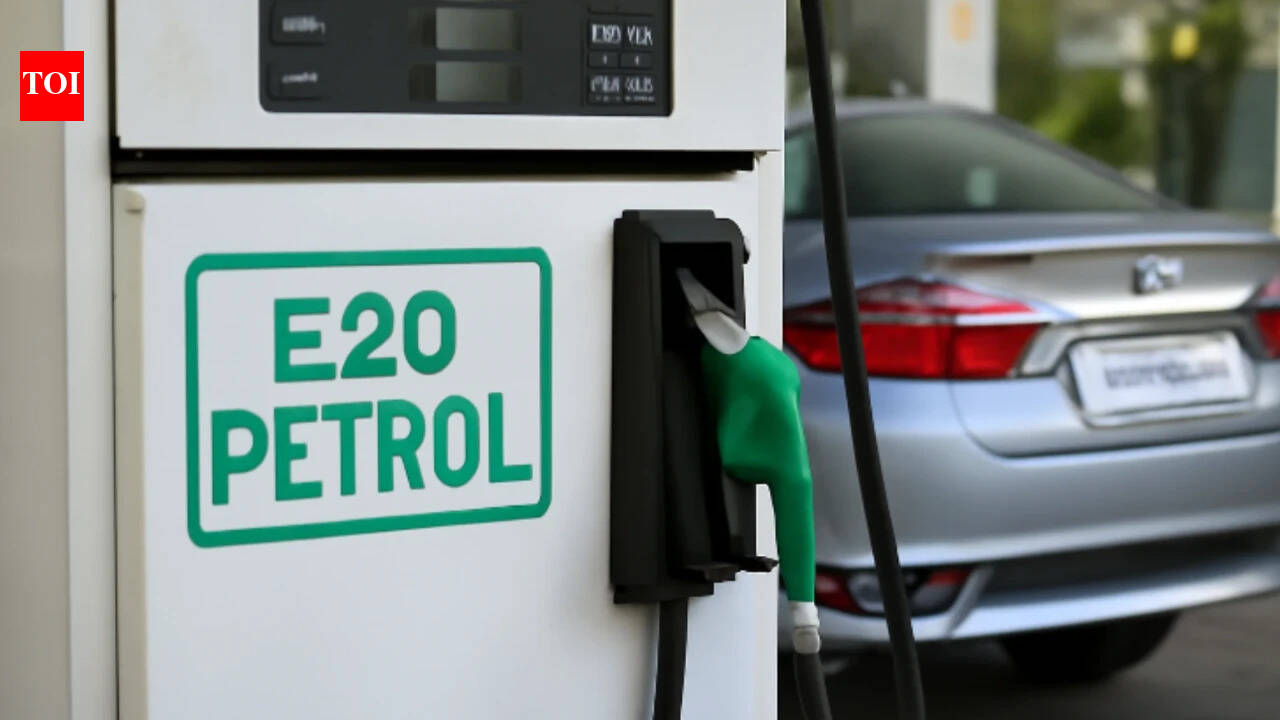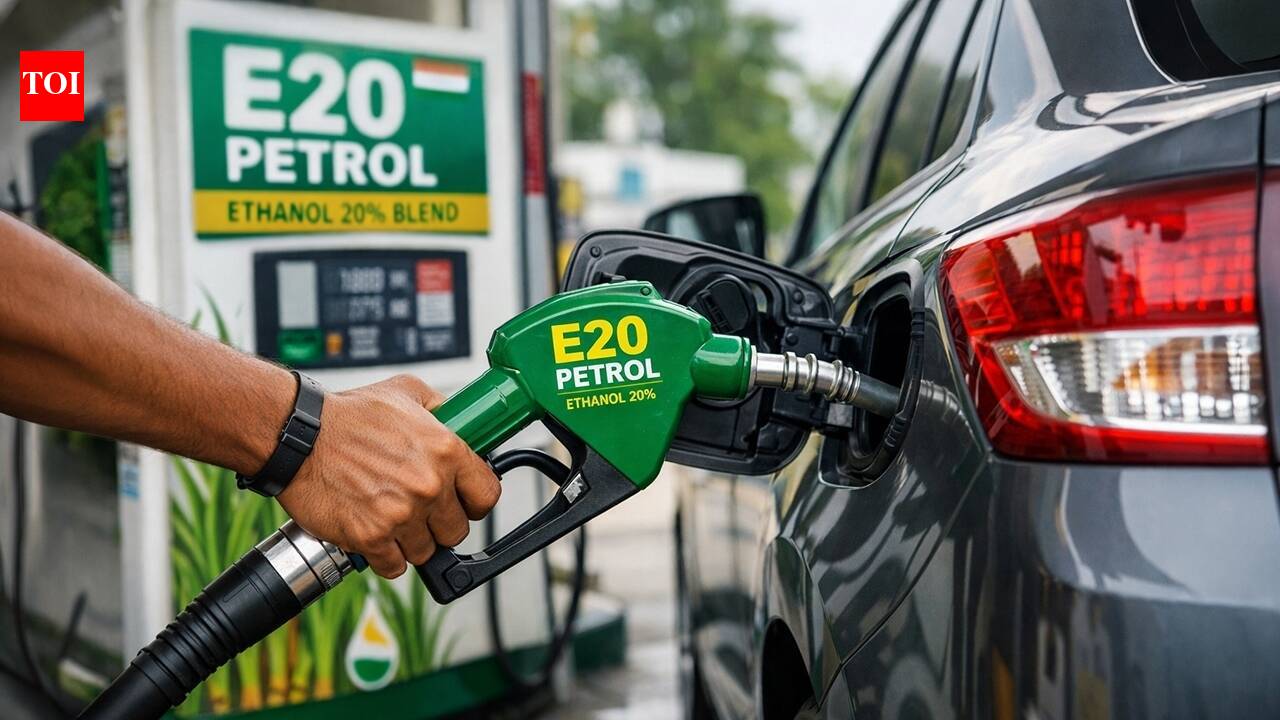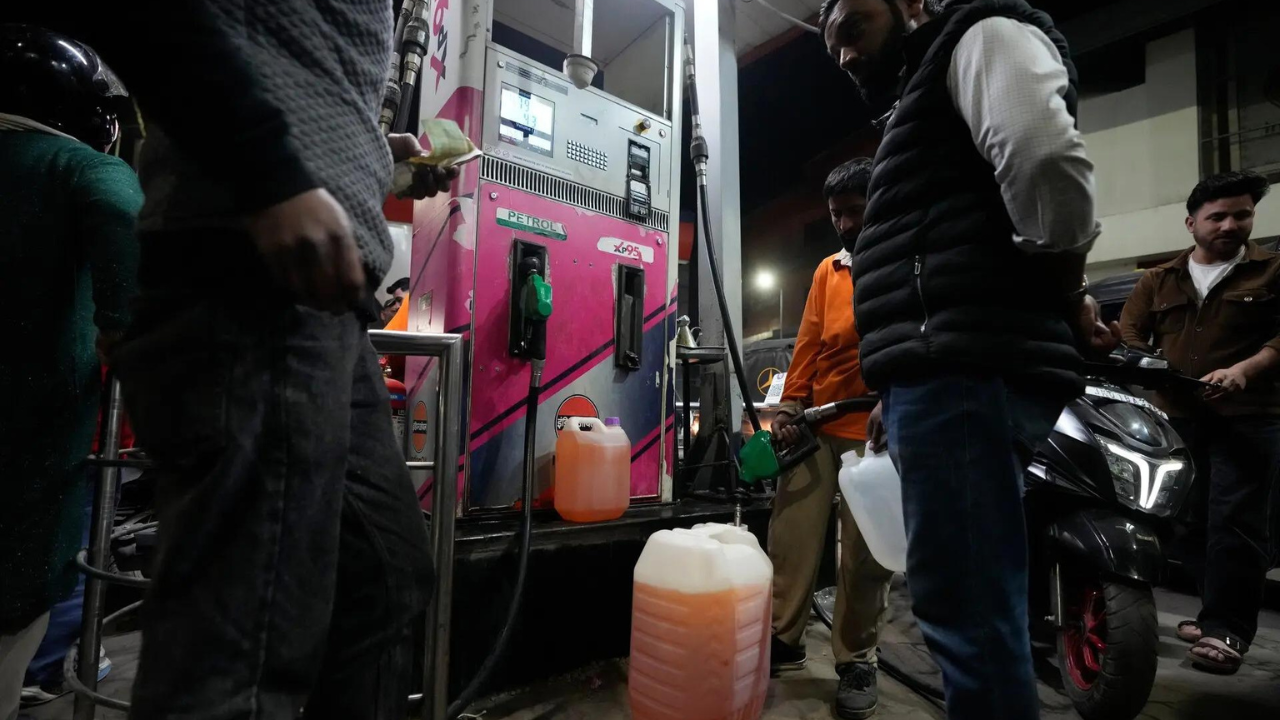
More than 250 fuel samples collected from retail outlets across 21 of India's 36 states and Union territories over a one-year period detected elevated chloride contamination in 18 states, according to internal industry data reviewed by Reuters and cited by Business Today. The samples, gathered during what Business Today described as the most extensive fuel-testing exercise undertaken by the automobile industry since the nationwide rollout of 20% ethanol-blended E20 petrol began last year, also showed high moisture levels.
Internal communications exchanged among senior executives at Maruti Suzuki, Tata Motors and Mahindra — which together account for about 67% of India's passenger vehicle market — revealed privately expressed concerns that contaminants such as chloride and moisture in E20 petrol were affecting vehicle performance, the Reuters report said. The emails, reviewed by Reuters, showed that despite publicly supporting the government's E20 programme, the automakers privately questioned fuel quality.
Private fuel tests flagged chloride and moisture
According to the Reuters report, the data compiled by the companies represents the most extensive fuel-testing effort by the automobile industry since the E20 rollout began. The analysis detected elevated chloride contamination in samples from 18 states, along with high moisture levels. The correspondence exchanged among executives did not raise any concerns about the authenticity of the data.
These findings align with an earlier warning from the Society of Indian Automobile Manufacturers (SIAM) that elevated chloride content can corrode automotive components, while excessive moisture in fuel can cause a vehicle to stop functioning immediately after refuelling.
SIAM complaint filed then withdrawn
SIAM submitted a complaint to the government on July 28 regarding fuel contamination. According to Reuters, just hours after the government said ethanol-blended petrol was safe for use, the industry body withdrew the complaint, saying that "some numbers" required "authentication."
Later, SIAM said the communication was withdrawn because "the testing basis and sample size were insufficient to support definitive conclusions," adding that the letter had been sent inadvertently. The industry body said it plans to undertake a comprehensive scientific study on the issue. SIAM also said the information was meant solely for internal discussion, validation and review, and had been compiled by "very few" automobile manufacturers.
Government cites its own rigorous testing
Petroleum Minister Hardeep Singh Puri said state-run oil marketing companies had begun "rigorous testing" of fuel samples at retail outlets two weeks before SIAM submitted its letter, according to the report.
Consumer concerns rise since E20-only mandate
Since April 1, when E20 became the only petrol available in India, consumer concerns over its impact on vehicle performance have increased. Hundreds of motorists have claimed the fuel lowered vehicle mileage, increased wear and tear, and prompted at least one legal challenge. The E20 rollout is part of the government's strategy to reduce pollution and curb crude oil imports.
| Metric | Figure |
|---|---|
| Fuel samples collected | More than 250 |
| Coverage period | One year |
| States and Union territories covered | 21 of 36 |
| States with elevated chloride contamination | 18 |
| Combined passenger-vehicle market share of automakers in email exchanges | About 67% |
| Date | Event |
|---|---|
| Last year | Nationwide rollout of E20 petrol begins |
| April 1 | E20 becomes the only petrol available in India |
| Two weeks before July 28 | State-run oil marketing companies begin rigorous fuel testing |
| July 28 | SIAM submits fuel contamination complaint to the government |
| One week after submission | SIAM withdraws the complaint |
For automotive manufacturing executives and OEM sourcing teams, the episode underscores the importance of fuel-quality verification in vehicle performance and the risk of component corrosion from contaminated fuel. With automakers representing about 67% of the passenger vehicle market flagging chloride and moisture issues, the planned comprehensive scientific study will be closely watched by OEMs and component suppliers.
Sources: