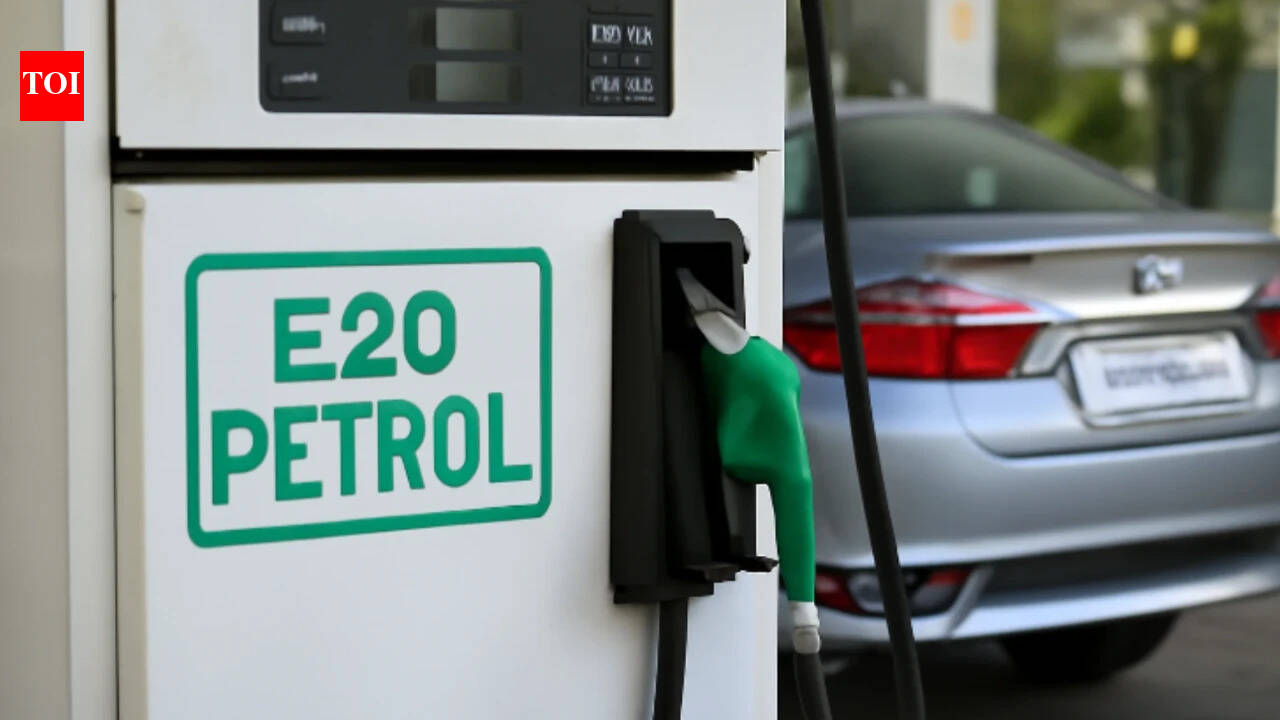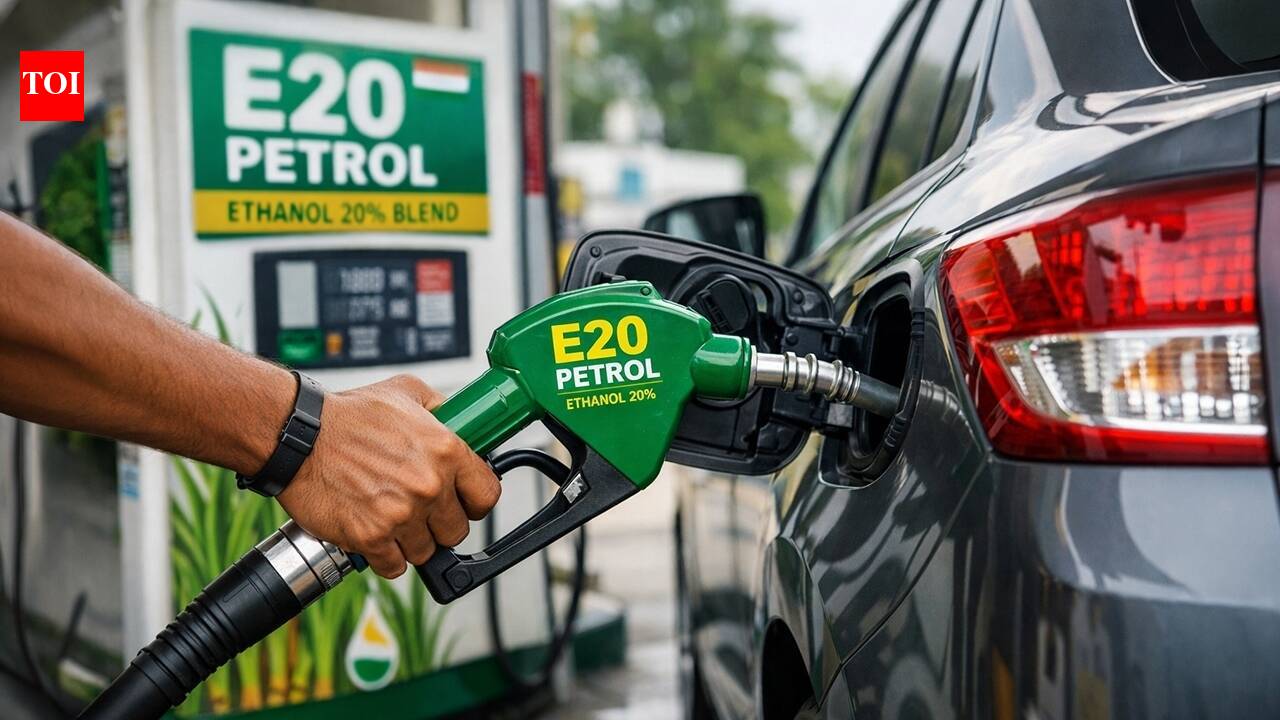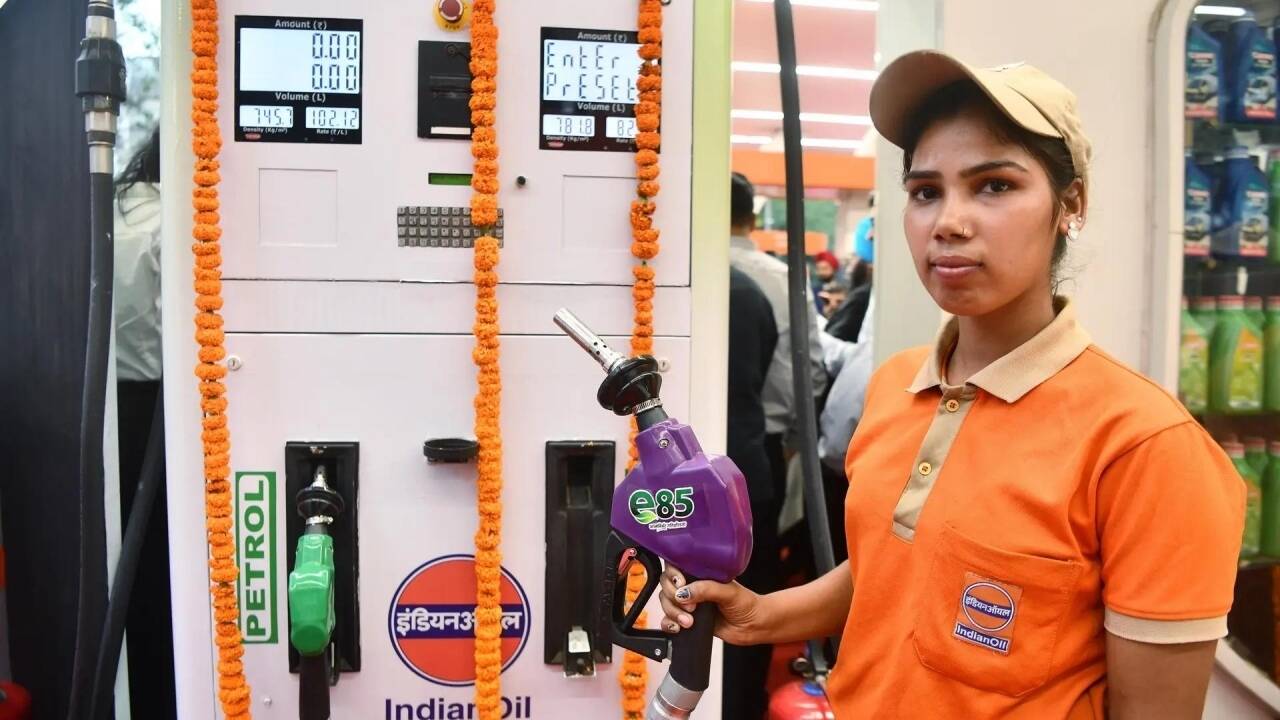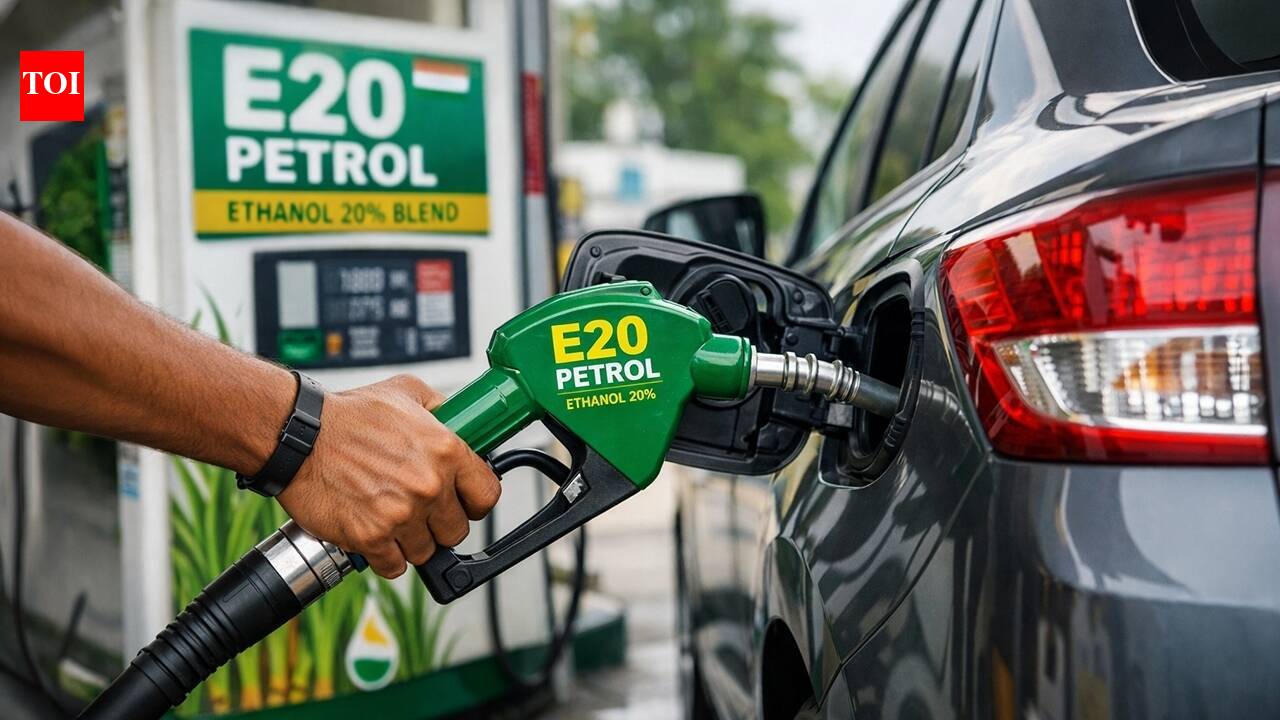
The Indian government has firmly rejected seven 'misleading claims' about E20 petrol — a blend containing 20% ethanol — in a clarification released by the Ministry of Petroleum & Natural Gas. The move comes amid heated public debate over the fuel's impact on mileage, engine durability, and vehicle compatibility. Road Transport and Highways Minister Nitin Gadkari, in a written reply to the Lok Sabha, acknowledged that petrol blended with 20% ethanol may lower fuel efficiency by 2-6%, depending on the type and age of the vehicle. However, he added that engine durability tests conducted on dynamometers and under real-world driving conditions have not recorded any failures linked to the use of E20 fuel. Compared with E10 petrol, Gadkari said E20 offers better acceleration, improved ride quality, and around 30% lower carbon emissions.
Government's Seven-Point Clarification
The ministry issued a detailed rebuttal of seven specific claims. Below is a summary of the key claims and the government's response:
| Claim | Government Response |
|---|---|
| Vehicles manufactured before 2023 cannot run on E20 | Vehicles made before 2023 can safely use E20. Over 3.5 years of E15+ use and 2.5 years of E19-E20 show no widespread failures. |
| 30 crore vehicles will become unusable | More than 20 crore two-wheelers and 3 crore petrol cars have run on E15+ and E19-E20 without verified evidence of failures. |
| E20 not desirable by automobile manufacturers | On July 4, 2026, a joint press conference with Toyota Kirloskar, Maruti Suzuki, Hero MotoCorp, Hyundai Motor India, TVS Motor Company, and Bajaj Auto presented unified support for the programme. |
Industry Support and Testing Data
The government's assessment is based on over 25 years of phased implementation, extensive testing, and real-world data, including service records from 2.84 crore vehicles in FY2025-26. Of these, 1.5 crore vehicles were not originally E20-compatible, and another 1.4 crore E20-operated vehicles were examined. The analysis found no E20-related corrosion, abnormal wear, or reduction in component life.
A joint study by the Automotive Research Association of India (ARAI), the Society of Indian Automobile Manufacturers (SIAM), and Indian Oil Corporation Ltd (IOCL) evaluated the impact of E20 on BS-III, BS-IV, and BS-VI petrol-powered two-wheelers and four-wheelers. The study rated E20's acceleration and ride quality as superior to E10.
Automaker Testimony
At the July 4 press conference, Toyota said E20 was introduced only after rigorous testing under internationally recognised UNECE standards. Maruti Suzuki cited service data from 2.84 crore vehicles in FY2025-26, including 1.5 crore older vehicles, and reported no E20-related issues. The company added that the impact on fuel efficiency is generally limited to 3-3.5%. Hero MotoCorp also confirmed its service data showed no higher incidence of damage in vehicles using E20. The companies collectively reiterated their commitment to the programme and to transparently addressing consumer concerns.
Real-World Evidence
The government emphasised that if E20 rendered vehicles unusable, India would have witnessed millions of breakdowns, warranty claims, and service campaigns. 'Nothing of that sort has occurred,' the release stated. The clarification comes as India pushes to expand ethanol blending to reduce oil imports and carbon emissions, with E20 already available at many retail outlets.
For commodity traders and analysts, the government's firm stance suggests policy continuity, potentially supporting domestic ethanol demand from the sugar and grains sectors. However, the 2-6% mileage reduction noted by Gadkari may influence long-term fuel consumption patterns, bearing on India's crude oil import requirements and renewable energy targets.
Sources: