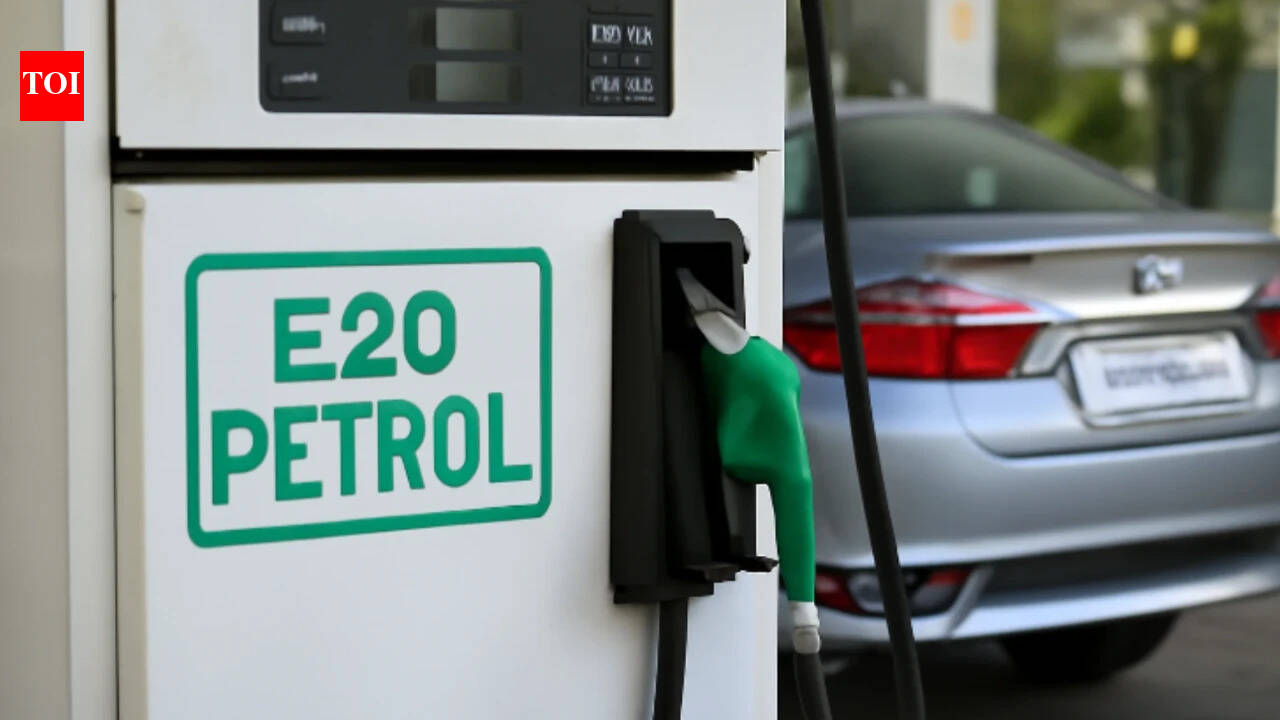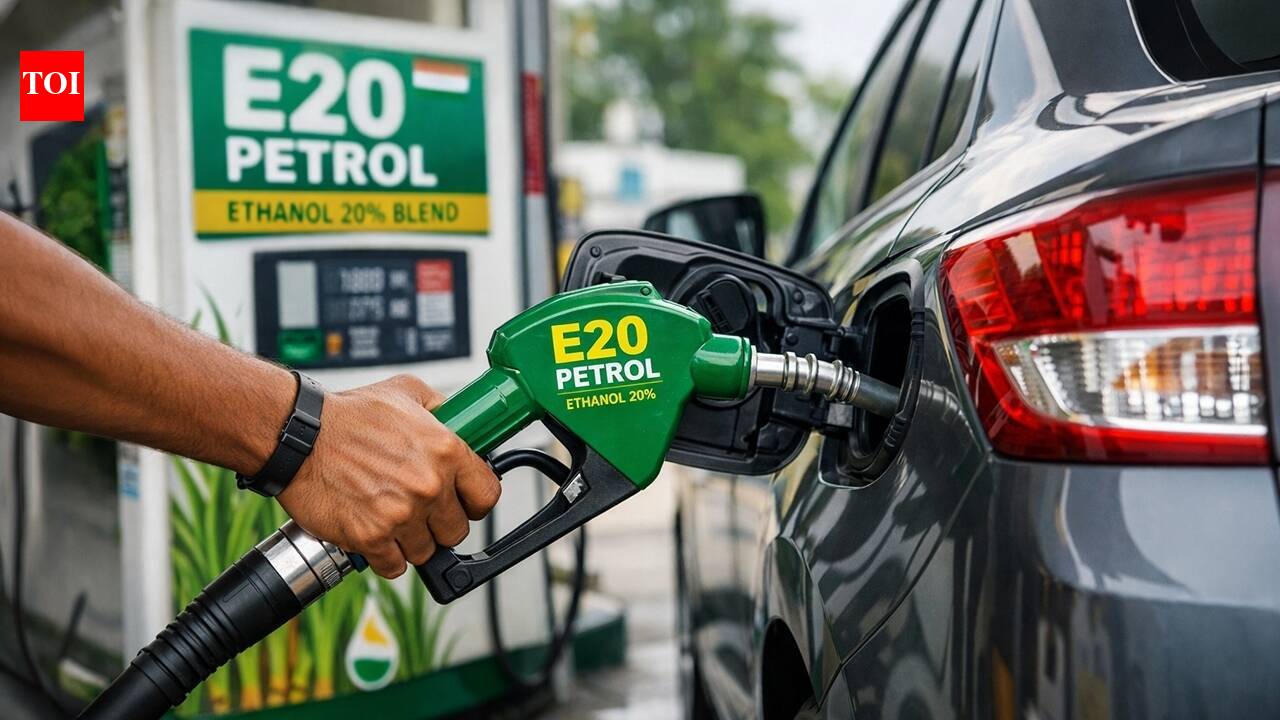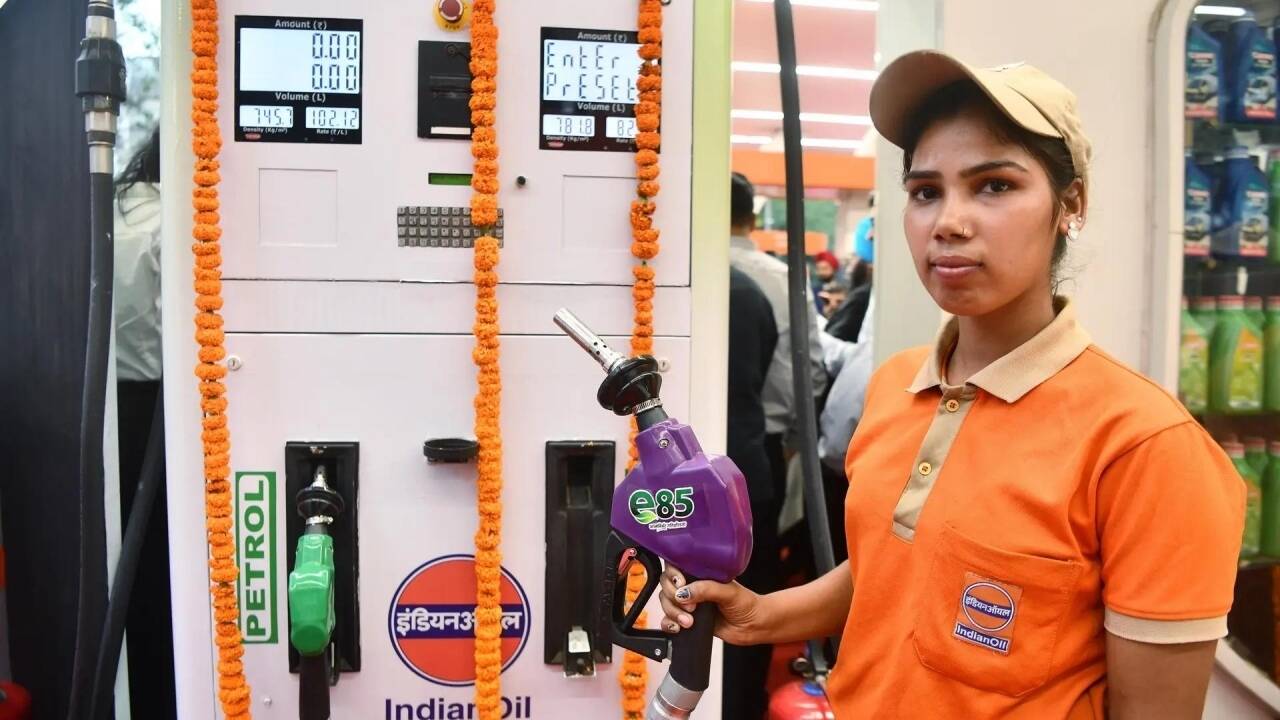
India has reached a 20% ethanol blending rate in petrol as of April 2025, according to a government FAQ release cited by Business Today, achieving the target five years ahead of the original 2030 goal. The government issued the list of nine frequently asked questions amid widespread public backlash over reported declines in mileage and vehicle performance after the nationwide rollout of E20 fuel.
Ethanol Blending: A Two-Decade Journey
The government emphasised that ethanol blending in petrol is not a new or rushed initiative. India's ethanol programme started with a pilot in 2001 and formal announcement in 2004. Blending remained stuck at around 1.5% until 2014 due to insufficient sugarcane production, Business Today reported. The 2018 National Policy on Biofuels expanded the raw material base to include maize and surplus grain, which turned ethanol production into a whole-of-government mission.
Supply-Side Expansion: From 500 Crore to 1,200 Crore Litres
The timeline showed that by 2021, India required 500–600 crore litres of ethanol annually for 10% blending. Fresh investments expanded production capacity, and annual ethanol availability approached 1,200 crore litres, allowing the country to advance to 20% blending. State-owned oil marketing companies—IOCL, BPCL, and HPCL—invited private investment for dedicated ethanol plants starting August 2021, backed by guaranteed purchase agreements and bank financing, as per the FAQ.
Consumer Concerns: Mileage and Performance
Fuel efficiency remains the primary consideration for most vehicle buyers, Business Today noted. Since the nationwide rollout of E20, many vehicle owners complained about a decline in mileage, a topic widely discussed on social media and in workplaces. The government's FAQ addressed concerns about E20's impact on mileage, performance, and potential engine damage, though specific technical details were not included in the cited portion.
Infrastructure and Pricing Rationale
To the question of why consumers cannot choose between pure petrol, E10, and E20 at the pump like premium fuel, the government explained that India operates over one lakh retail outlets through a vast network of refineries, terminals, and pipelines. Stocking three separate base fuels nationwide would multiply costs and complicate quality control. Premium petrol, offered as a small additive-enhanced product sold at a premium, is not a fair comparison, according to the FAQ.
The government also highlighted that ethanol blending is a key component of India's energy strategy to strengthen energy security, support the farming community, and reduce environmental impact by increasing use of domestically produced renewable fuel.
Commodity Implications for Traders and Analysts
For commodity market participants, India's rapid scaling of ethanol production has direct implications for global sugar and grain markets. The expansion of feedstock from sugarcane to include maize and surplus grain signals growing demand for these agricultural commodities. The increase in ethanol availability to 1,200 crore litres, combined with guaranteed purchase agreements for dedicated ethanol plants, provides visibility into future demand for raw materials. Analysts tracking the Indian biofuels sector will note that the policy framework—from the 2001 pilot to the 2021 NITI Aayog roadmap—has created a stable investment environment. The achievement of 20% blending five years early suggests that the government may accelerate future blending targets, potentially further boosting demand for ethanol feedstocks.
| Milestone | Year | Blending Level | Key Development |
|---|---|---|---|
| Pilot programme launched | 2001 | – | Initial testing |
| Formal announcement | 2004 | – | Programme announced |
| E5 rollout in several states | 2006 | 5% | Partial implementation |
| Policy framework notified | Jan 2013 | 5% target | 10 states and UT |
| Stuck at 1.5% blending | Until 2014 | 1.5% | Limited sugarcane supply |
| National Policy on Biofuels | May 2018 | – | Expanded to maize and grain |
| NITI Aayog roadmap | June 2021 | – | Consulted automakers, OMCs, experts |
| Private investment in ethanol plants | Aug 2021 | – | IOCL, BPCL, HPCL backed purchase |
| 20% blending achieved | April 2025 | 20% | Five years ahead of 2030 target |
Outlook
The government's FAQs provide transparency on the policy's trajectory and address immediate consumer concerns. The next data points for the commodity market will be the monthly ethanol blending figures from the Oil Ministry and any updates on the proposed increase to 25% or 30% blending. With adequate supply of 1,200 crore litres already available, India's ethanol programme is positioned for further expansion, which will sustain demand for sugarcane, maize, and other feedstocks.
Sources: