Energy cooperation is one of the most promising areas in the US-India bilateral relationship, according to Namgya Khampa, India's Deputy Chief of Mission in the United States. Speaking at an outreach event on Capitol Hill organized by the Foundation for India and Indian Diaspora Studies (FIIDS) on Tuesday, she identified crude oil, LNG, LPG, and civil nuclear as key areas for strengthening energy ties between the two countries.
"We in India have a growing energy demand and the United States has energy abundance and I think that creates a natural partnership that we are committed to further deepening," Khampa said, as reported by the Economic Times.
Key Energy Commodities and Trade Volumes
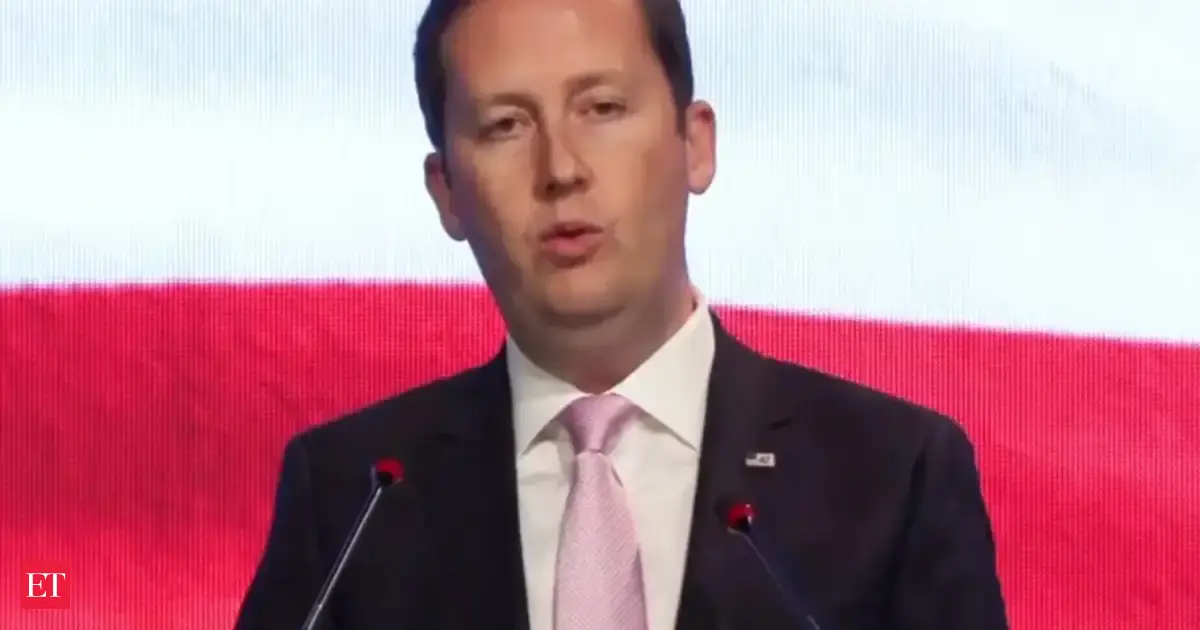
Khampa elaborated that crude oil, LNG, and LPG are contributing significantly to India's energy security, with the US partnership playing a key role. "They also support jobs and investment and economic growth and we're happy to take this cooperation further," she added. According to US Deputy Assistant Secretary of State Bethany Poulos Morrison, the US-India energy trade relationship is expanding rapidly, with hydrocarbon trade reaching USD 14.4 billion to date since 2025.
| Energy Sector | Key Details from Event |
|---|---|
| Crude Oil | Contributes to India's energy security; part of growing bilateral trade |
| LNG | Key component of US-India hydrocarbon trade |
| LPG | Supports energy security and economic growth |
| Civil Nuclear | New possibilities under Shanti Act; commercial collaboration expanding |
Civil Nuclear Cooperation and the Shanti Act
Khampa highlighted the SHANTI legislation as creating new possibilities for commercial collaboration and bringing both sides closer to realizing the commercial promise of the historic civil nuclear understanding reached decades ago. Morrison confirmed that both sides are exploring expanding civil nuclear cooperation under the newly passed Shanti Act.
"We are exchanging goods in American oil, gas, and coal and both sides are exploring expanding civil nuclear cooperation under the newly passed Shanti Act," Morrison said.
Strategic Partnership Resilience
Khampa described the India-US partnership as one of "the most seminal and defining partnerships of the 21st century," a description she justified not because of total alignment on every issue, but because "the strategic logic underpinning the relationship has become stronger over the years." She noted that the past year demonstrated the resilience of the partnership despite differences in perspective on a few issues, attributing this to two decades of commitment, vision, and investment.
"The reality, I believe, is that there is a lot that brings us together and that makes us stronger together." — Namgya Khampa, Deputy Chief of Mission in the US
Implications for Commodity Markets
For commodity traders and analysts tracking energy markets, the deepening US-India energy cooperation signals stable and growing trade flows in crude oil, LNG, and LPG. The USD 14.4 billion hydrocarbon trade figure underscores the scale of bilateral energy commerce, which supports price stability in these commodities by diversifying supply sources for India and providing a reliable export market for the US. The push for civil nuclear cooperation, while longer-term, could eventually impact uranium and nuclear fuel markets. Traders should monitor policy developments under the Shanti Act and upcoming trade data releases to gauge volume trends.
Sources: