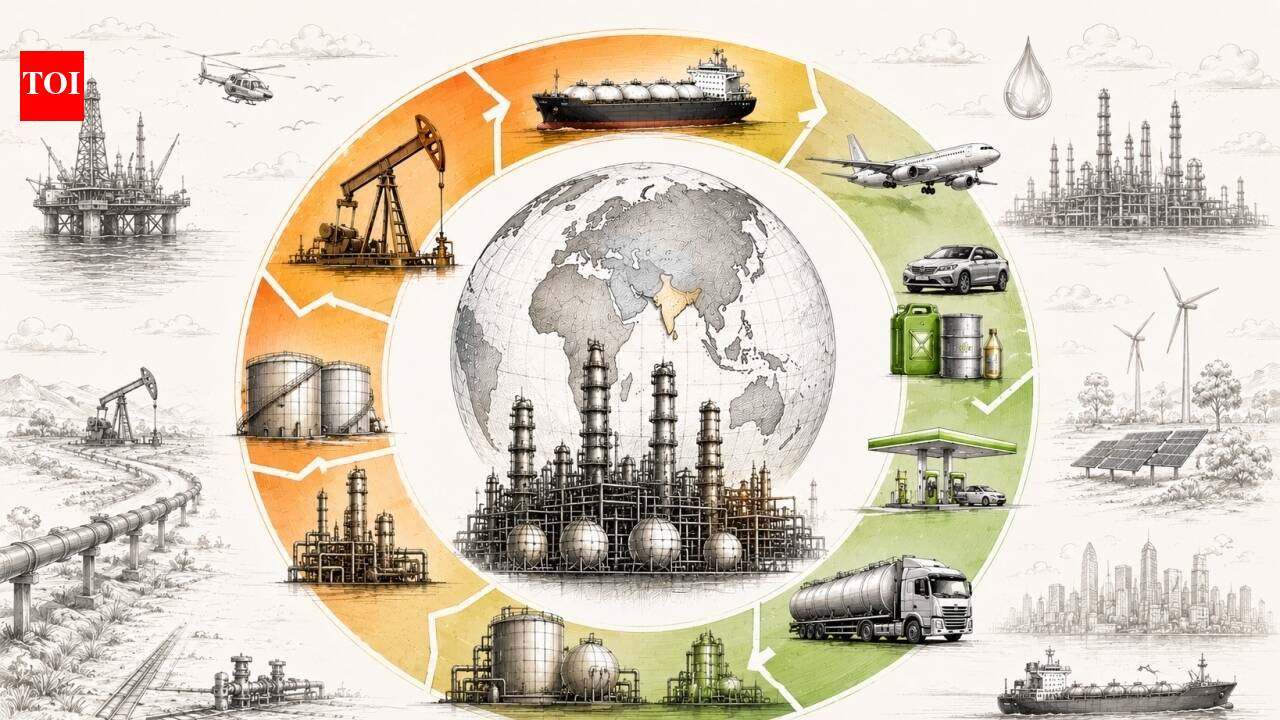
Supply chain leaders must re-evaluate their energy security strategies as India and Australia work to build a resilient corridor focused on critical minerals. The traditional definition of energy security, confined to oil and gas availability, is no longer sufficient, according to discussions at a recent policy dialogue. The event, organised by CUTS International in association with the Rajasthan International Centre, Jaipur, brought together policymakers, researchers and strategic affairs experts to examine deepening cooperation across energy security, critical minerals, clean energy, advanced manufacturing and resilient supply chains.
Redefining Energy Security in a Geopolitically Uncertain Era
Singh, delivering the keynote remarks at the dialogue on “Building an India-Australia Energy Security Corridor for Indo-Pacific Resilience”, argued that the very definition of energy security has evolved. No longer confined to the availability of oil and gas, she said it now begins with access to critical minerals and extends across mining, refining, manufacturing, logistics and trusted supply chains. Geopolitical disruptions, from conflicts in West Asia to supply-chain bottlenecks, have shown how quickly regional crises can ripple through energy markets and destabilise economies across the Indo-Pacific, she noted.
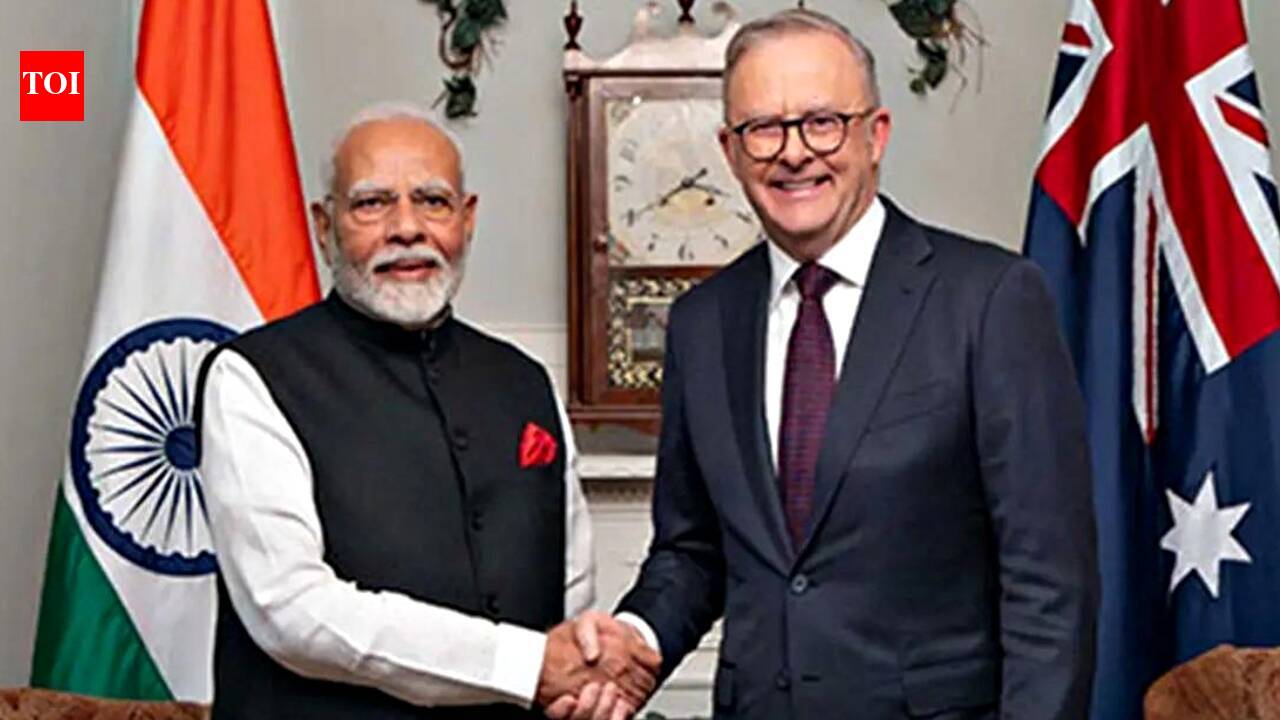
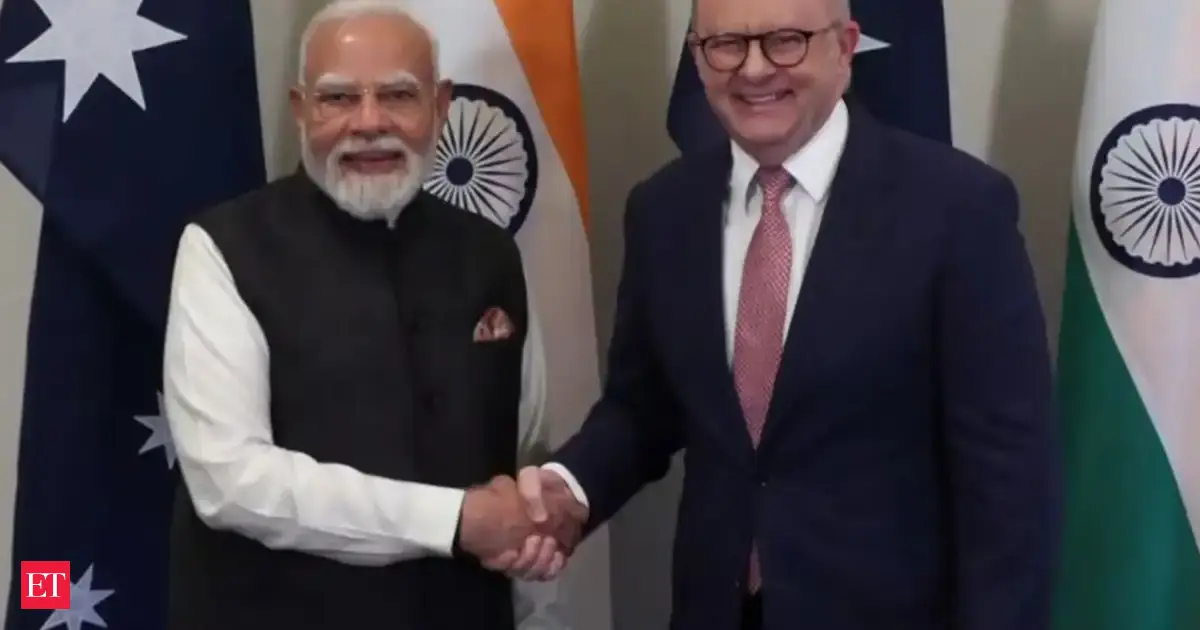
Pradeep S. Mehta, Secretary General of CUTS International, highlighted India's accelerating transition towards renewable and nuclear energy. He noted that reforms to India's nuclear liability framework have opened new avenues for international collaboration. He pointed to the recent visit of Prime Minister Narendra Modi to Australia for the annual Summit with Australian PM Anthony Albanese, which resulted in Australia's agreement to be, inter alia, a reliable supplier of uranium, underscoring the expanding strategic dimension of bilateral energy cooperation.
Critical Minerals as the Foundation of the Corridor
Singh observed that Australia holds some of the world's largest reserves of lithium, cobalt, nickel and rare earth elements, while India brings one of the world's fastest-growing manufacturing sectors alongside ambitious renewable energy and green hydrogen targets. The complementary strengths are stark:
| Resource/Strength | Australia | India |
|---|---|---|
| Critical mineral reserves | Largest global reserves of lithium, cobalt, nickel, rare earths | Limited domestic reserves, high import dependence |
| Manufacturing sector | Moderate manufacturing base | One of the world's fastest-growing manufacturing sectors |
| Renewable energy targets | Growing renewable capacity | Ambitious targets for renewables and green hydrogen |
| Nuclear energy | Uranium supplier | Expanding nuclear fleet; liability reforms enable foreign partnerships |
Critical minerals, Singh argued, must form the foundation of the proposed corridor, enabling both countries to move beyond a traditional buyer-seller relationship towards long-term industrial partnerships in processing, battery manufacturing and clean energy technologies. She also cautioned against over-reliance on concentrated global supply chains, particularly in mineral processing and battery manufacturing, stressing that resilient, diversified supply chains built on trusted partnerships would be central to both strategic security and the clean energy transition.
Diversification and Geopolitical Risk Mitigation
For procurement and supply chain executives, the message is clear: single-source dependencies for critical minerals and battery components pose systemic risk. The concentration of processing in a few countries — particularly for lithium and rare earths — leaves supply chains vulnerable to disruption from geopolitical tensions or trade restrictions. The India-Australia corridor represents a deliberate effort to build alternatives that can reduce this concentration risk.
Singh identified several practical areas for bilateral cooperation, including joint processing of critical minerals, green hydrogen, battery technologies, skills development, advanced manufacturing and green steel. She also underlined the complementary roles that Japan, Singapore and the Quad could play in strengthening Indo-Pacific supply chain resilience through technology, investment, logistics and financing.
“Critical minerals must be at the heart of the India-Australia Energy Security Corridor. They are not only the foundation of the clean energy transition but also of long-term strategic resilience across the Indo-Pacific,” Singh said.
Next Steps for Implementation
While significant progress has been made through initiatives such as the Australia–India Renewable Energy Partnership and joint skills programmes, the next phase must focus on implementation, according to Singh. She emphasised expanding collaborative research, investment and workforce development. For supply chain leaders, this means engaging early with emerging bilateral frameworks, aligning procurement strategies with government-to-government agreements, and preparing for a shift from spot-market mineral sourcing to long-term, contract-based partnerships with joint processing and manufacturing elements.
What this means for your procurement team: The corridor is still in its formative stages, but the direction is clear. Diversifying sources for critical minerals is no longer just a strategic option — it is a necessity. Teams should begin mapping their exposure to concentrated supply chains for lithium, cobalt, nickel and rare earths, and evaluate potential partnerships with Australian miners and Indian processors. The shift from buyer-seller to industrial partnership will require new commercial models, joint ventures, and potentially co-investment in processing capacity. Additionally, staying informed on bilateral agreements such as the Australia–India Renewable Energy Partnership will help anticipate policy-driven shifts in supply availability and cost structures.
Sources: