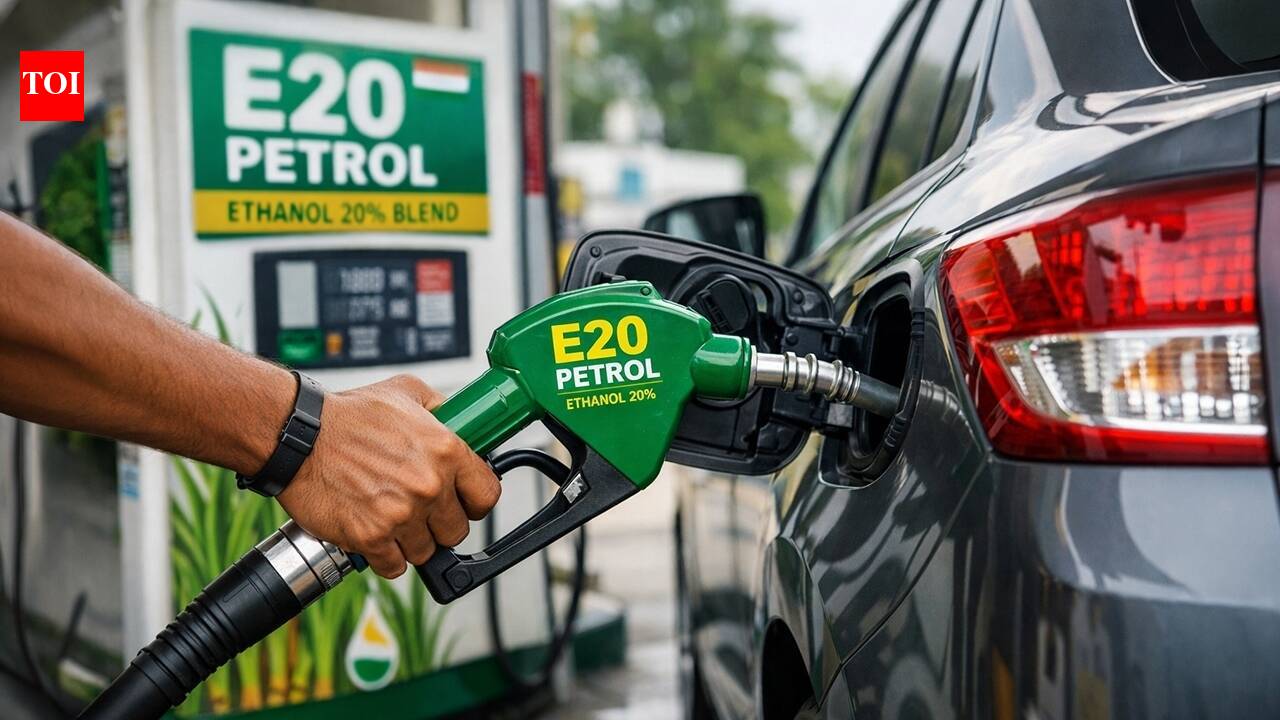
Shandong Shipping’s May order for the world’s first ethanol-fuelled two-stroke engines, underwritten by a long-term charter to global mining giant Vale, has established ethanol as a credible marine fuel, according to an article by Andrea Lazzaro, head of business intelligence at engine designer WinGD, published in Splash247. The order came one month after the International Maritime Organization’s Marine Environment Protection Committee (MEPC) approved greenhouse gas emission factors for Brazilian ‘second growth’ corn ethanol in its Lifecycle Analysis Guidelines for Marine Fuels (LCA), making it the first biofuel to secure that recognition.
A decade of alcohol-fuel development
WinGD’s first alcohol-fuel tests were run on ethanol in 2014, even though the company later commercialised its methanol engine, the article noted. The two fuels share combustion and fuel handling characteristics, and WinGD concluded that adapting its X-DF-M methanol engine technology for ethanol was achievable. The methanol engine was the first of the two fuels to be ordered by shipowners, but ethanol was the original test subject.
IMO milestone for Brazilian corn ethanol
The MEPC approval came in the month before the Shandong Shipping engines were ordered, according to Splash247. Any vessel burning the fuel benefits from a 20.8gCO2eq/MJ emissions factor under future IMO regimes – more than four times lower than very low sulphur fuel oil (VLSFO). Vale has not yet disclosed its fuelling plans for the Newcastlemax vessels, but since the ships will carry iron ore from Brazil to China, Brazilian-produced ethanol is surely one candidate, the article said. Each operator’s case will depend on how a specific ethanol source is certified under applicable regulatory regimes; routes touching Brazil, the US or other large-scale ethanol markets are well positioned.
Price and availability
Ethanol is already widely available in Brazil, the US and other markets, and is priced nearly competitively with conventional ship fuels, according to the article. That pricing advantage will grow once carbon pricing takes effect. Availability, price, and certification will each shape adoption decisions.
FuelEU Maritime gap remains
While IMO recognition is welcome, certification under FuelEU Maritime is a challenge. The regulation currently does not credit emissions reductions from any biofuel made from food crops or byproducts of food production. Fuel suppliers are petitioning against that exclusion, arguing that modern production techniques mean ethanol output does not compromise food production or security. Only around 20% of the global merchant fleet is exposed to European emissions legislation, so the FuelEU issue will not concern all operators. Vessels touching European Economic Area ports can still gain reduced emissions under the EU Emissions Trading System, but not under FuelEU Maritime, until the matter is resolved.
| Framework | Treatment of ethanol | Detail |
|---|---|---|
| IMO LCA Guidelines | Recognised | Brazilian ‘second growth’ corn ethanol: 20.8gCO2eq/MJ, more than 4x lower than VLSFO |
| FuelEU Maritime | Not credited | Food-crop biofuels excluded; suppliers petitioning |
| EU ETS | Eligible | Reduced emissions benefit for ships touching EEA ports |
Blending ethanol with green methanol
Even where ethanol is not the main fuel, WinGD engines can run on a blend of alcohol fuels, making combined use of ethanol and green methanol a significant cost-effective decarbonisation option, the article said. Green methanol is produced from renewable electricity and captured carbon, and so qualifies as a renewable fuel. For commodity traders and shipowners, ethanol’s growing maritime demand is now backed by engine technology and regulatory recognition at the IMO, although FuelEU Maritime remains the outstanding hurdle for food-crop-based fuels on European trades.
Sources: