
Topic
decarbonization
 Logistics
DNV: Build fleets that can survive the wrong fuel call
DNV's 10th Maritime Forecast to 2050 urges shipowners to stop betting on a single decarbonisation pathway and instead build fleets that can survive multiple regulatory, fuel and technology outcomes. The report highlights energy efficiency as an immediate strategic hedge while low-GHG fuel markets struggle to emerge. Shippers and operators should expect cost structures to vary by trade lane as regulatory divergence persists.
 Logistics
IAEA launches global push to bring nuclear power back to sea
The IAEA launched the ATLAS initiative in Washington with 600 participants from over 50 countries to create a regulatory and safety framework for nuclear-powered civilian shipping. Twenty-five countries backed the initiative, and experts expect some nuclear maritime concepts to be ready for deployment in the 2030s, according to Splash247.
 Logistics
Car Carrier Operators Form GRC Council to Improve Emissions Data Accuracy
A coalition of car carrier operators representing around 80% of global capacity has established the GRC Council to maintain and improve its GHG accounting methodology. ClassNK, the GRC's independent verifier, drafted the new governance framework and will provide verification services for emissions data. The move aims to strengthen confidence in Scope 3 reporting under FuelEU Maritime and IMO GHG measures.
 Commodities
Ethanol emerges as marine fuel as Shandong Shipping orders first ethanol-fuelled engines for Vale
Shandong Shipping ordered the world's first ethanol-fuelled two-stroke engines in May, backed by a Vale charter, according to an article by WinGD's Andrea Lazzaro in Splash247. The IMO's approval of emissions factors for Brazilian corn ethanol, along with ethanol's wide availability in Brazil and the US, supports marine adoption, though FuelEU Maritime still excludes food-crop biofuels.
 Logistics
River shipping's hidden carbon bill comes into view as study estimates 24.7% emissions share
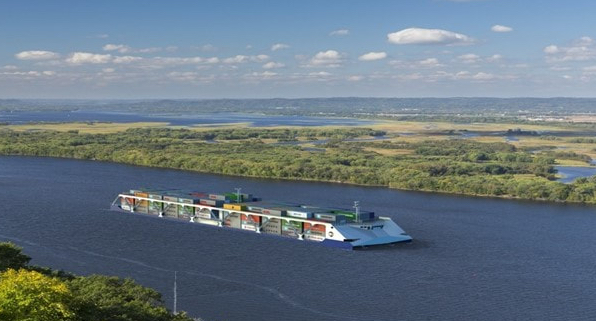
New research in Nature Climate Change estimates inland vessels emitted 164m tonnes of CO2 in 2022, equal to 24.7% of global shipping emissions. Splash247 reported the study analysed 20bn vessel-tracking records and found emissions nearly doubled between 2019 and 2022.
 Logistics
Pricing Maritime Emissions Could Accelerate Cleaner Shipping Without Consumer Shock, CTI Consultancy Argues
Andy Lane of CTI Consultancy argues that putting a meaningful price on maritime emissions could accelerate the switch to lower-GHG fuels without triggering consumer shock. The Splash247 analysis cites record ocean temperatures, shipping's 11% share of transport emissions, and 26 years of IMO measures as context for the debate over EEXI enforcement and decarbonisation costs.
 Logistics
Time Running Out for Shipping's Climate Compromise as IMO Nations Debate Weaker Alternatives
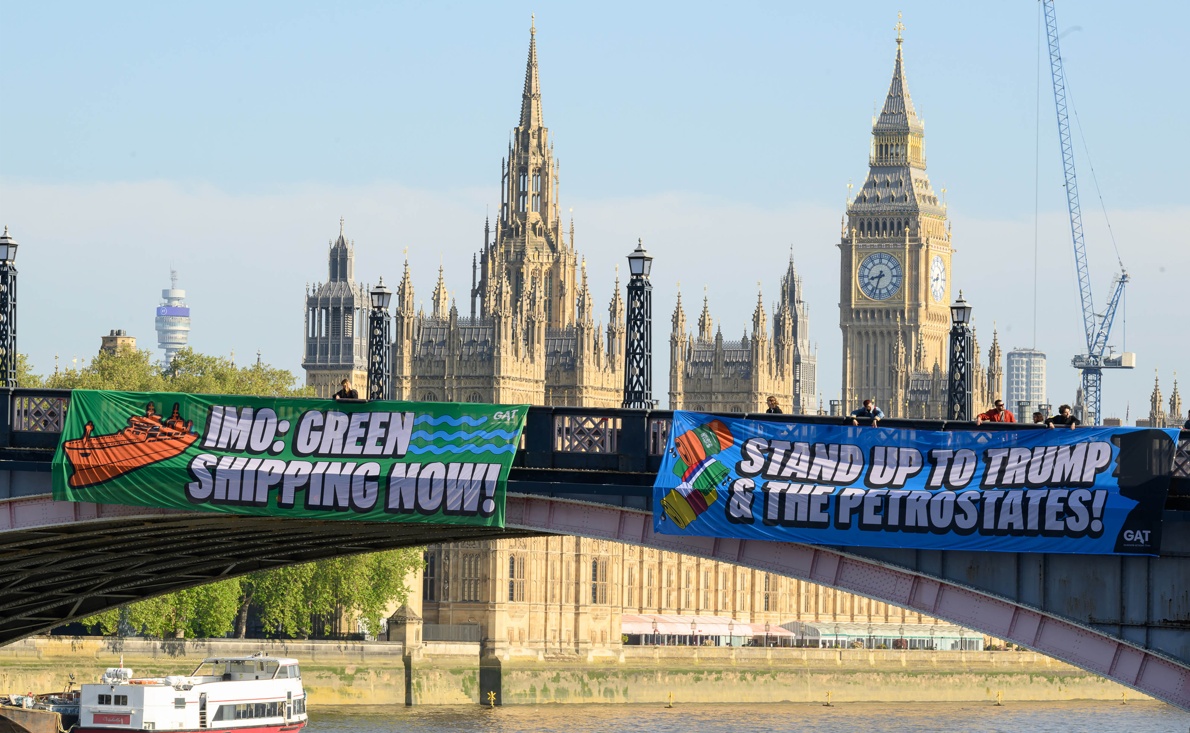
The IMO's Net-Zero Framework, approved in draft in April 2025, faces a decisive vote next month as governments weigh adoption against proposals from Liberia, Brazil and Tuvalu. According to Splash247, the alternatives could weaken carbon pricing, delay fund revenues, or impose far higher costs. The outcome will shape future fuel costs and compliance obligations for shippers and carriers.
 Manufacturing
Mitsui E&S completes factory acceptance testing for Japan's first WinGD methanol engine
Mitsui E&S completed factory acceptance testing of the DU-WinGD 6X82DF-M-1.0 LP-SCR, Japan's first WinGD methanol dual-fuel large marine engine, built at the Tamano Works. The engine is set to power the first of four vessels for an unnamed Japanese shipowner. The model is also the basis of a methanol VLCC design ordered by Iino, NYK and Idemitsu Tanker, while Mitsui E&S expands production and ammonia testing capacity.
 Commodities
China pulls ahead of Europe in green shipping fuels with faster project execution
China has three operational green shipping fuel plants producing 10 times the combined output of six European sites, according to Transport & Environment. Europe has 69 projects but 80% have not reached final investment decisions. Chinese shipowners are already securing large supply deals with Chinese producers like Goldwind and China Energy Engineering Corporation.
 Logistics
Seaspan and Maersk Expand Retrofit Partnership Across 18 Container Ships
Seaspan and Maersk are expanding their vessel efficiency partnership with a $75 million retrofit program across 18 container ships. The program includes a significant upgrade package for four 13,000 TEU vessels, expected to improve slot costs by 10-13%. Separately, WattSpan signed a cooperation agreement with Maersk and COSCO Shipyard on decarbonization technologies.
 Logistics
Fortescue Charters Up to 12 Ammonia-Capable Newcastlemax Bulk Carriers from CMB.TECH
Fortescue has signed an agreement with CMB.TECH to charter up to 12 ammonia-capable newcastlemax bulk carriers from Bocimar. Up to three vessels will be delivered with dual-fuel ammonia engines by end of 2026, while nine will be ammonia-ready. The deal represents one of the largest commercial commitments to ammonia-capable bulk carriers and could cut CO2 emissions by 250,000 tonnes annually if operated on green ammonia.
 Logistics
Europe needs 65 CO2 carriers and 33 ports by 2050 to meet carbon storage goals, Xodus report says
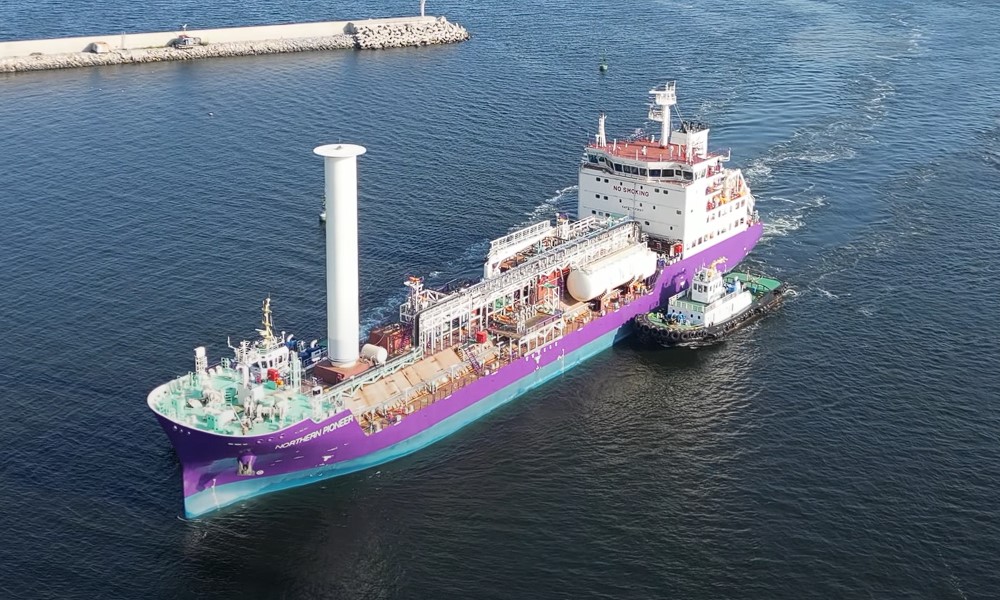
A new report by energy consultancy Xodus finds that Europe's carbon capture and storage ambitions will require a dedicated fleet of around 65 CO2 carriers and 33 ports by 2050. Captured emissions are forecast to rise from 70 mtpa in 2030 to 320 mtpa by 2050, with shipping volumes more than doubling to 79 mtpa. Logistics operators need to prepare for a new market in CO2 transport, including vessel construction, port infrastructure, and multimodal connections.
 Logistics
Eitzen orders two all-electric 900 TEU boxships for Northern European green corridor
Norwegian investment group Eitzen, through its subsidiary Zen, has ordered two all-electric 900 TEU container vessels from Zhejiang Dongpeng Shipbuilding. The ships will operate on a green shipping corridor between Hamburg, Gothenburg, and Oslo, with first delivery in 24 months. The project is backed by NOK200 million in funding from Enova.