The Competition and Markets Authority (CMA) on Wednesday recommended that governments bolster the rights of 1.5 million UK households reliant on heating oil, following a report that found the cost of the fuel almost doubled for many after the start of the United States-Israel war with Iran in February. According to the BBC, average retail prices peaked 92% higher than normal, driven by rising wholesale costs.
Price Surge and Supply Disruptions
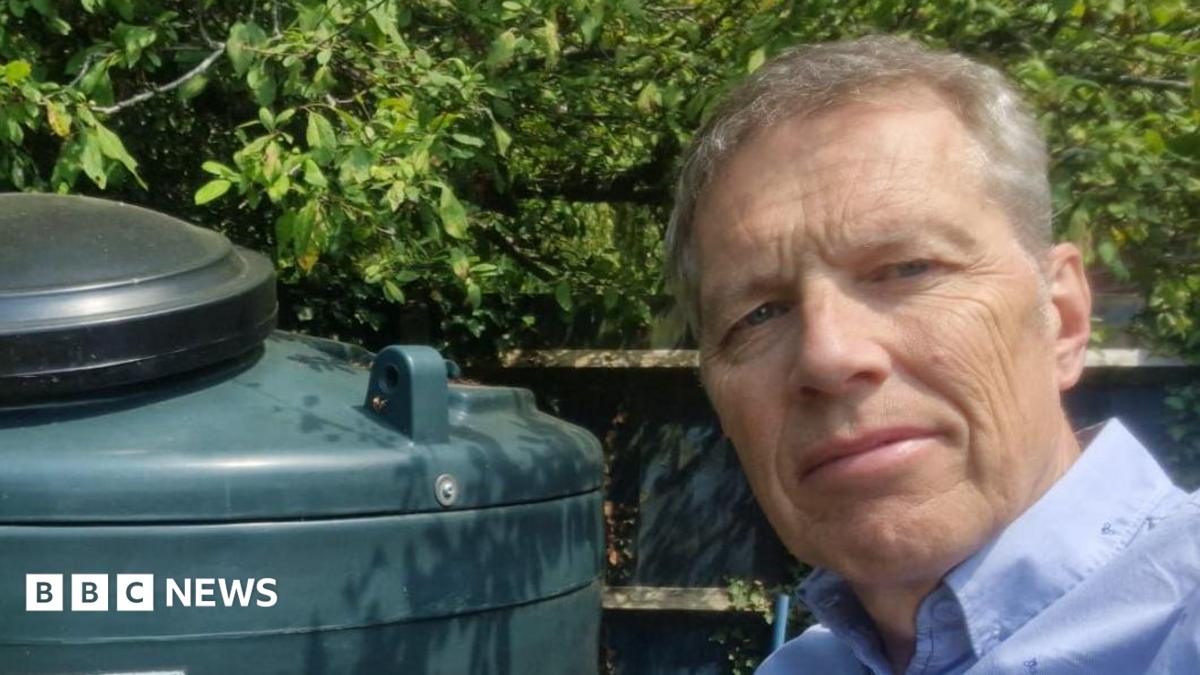
The conflict triggered sharp increases in heating oil prices, with retail costs almost doubling for many households. Jemma McCarron, who lives in Hanley Swan, Worcestershire, told the BBC she felt lucky she had filled her 2,000 litre tank for £1,200 days before the conflict started. "Had we ordered it a week and a half later, I think it would have cost us nearly £1,000 more," she said. This implies a potential price increase of over 80% for a typical fill.
| Scenario | Cost (2,000 litres) |
|---|---|
| Before conflict | £1,200 |
| A week and a half later | ~£2,200 (estimated) |
| Peak reported increase | 92% above normal |
Nick Weaver from Claverdon, Warwickshire, experienced supply disruptions firsthand. His heating oil supplier delivered only half of the 1,000 litre order he had paid for before the conflict began. The firm refunded half his original payment, then offered to sell him the missing 500 litres two days later for an additional £1,000. "I was incredibly shocked and felt cheated," he said. After writing to all directors, he secured the missing fuel at the originally agreed price.
Consumer Impact
Rural West Midlands households reliant on heating oil have faced both higher costs and supply uncertainty. McCarron's family of four, including her mother, daughter, and husband, has been using less hot water during heatwaves to manage consumption. Others, like Weaver, have turned to social media to share their experiences and help neighbours.
The CMA investigation found that while price increases largely reflected rising wholesale costs, there were "clear gaps" in protections for heating oil customers compared to those connected to the grid. These gaps include limited access to alternative dispute resolution, lack of clear pricing rules, and poor handling of cancellations.
Regulatory Response
The CMA recommended improved protections covering how prices are quoted, cancellation procedures, and support for vulnerable consumers. It also said that 1,700 people whose existing orders were cancelled after the conflict began should be refunded any extra money they had to pay. While some suppliers have agreed to compensate affected customers, the CMA is considering legal action against those that have so far refused.
Chancellor Rachel Reeves said: "It is reassuring to know it is a competitive market but the lack of protection for these households does concern me so we will look very seriously at what can be done."
Outlook
The CMA's recommendation now goes to governments for consideration. For commodity traders and procurement teams, the episode underscores how geopolitical events in the Middle East — the US-Israel war with Iran — can directly affect regional heating oil pricing, and how supply chain disruptions at the wholesale level can cascade to retail customers. The market is closely watching for any further OPEC+ responses that could impact crude feedstock prices, as heating oil margins remain sensitive to both refinery capacity and geopolitical risk premiums.
Sources: