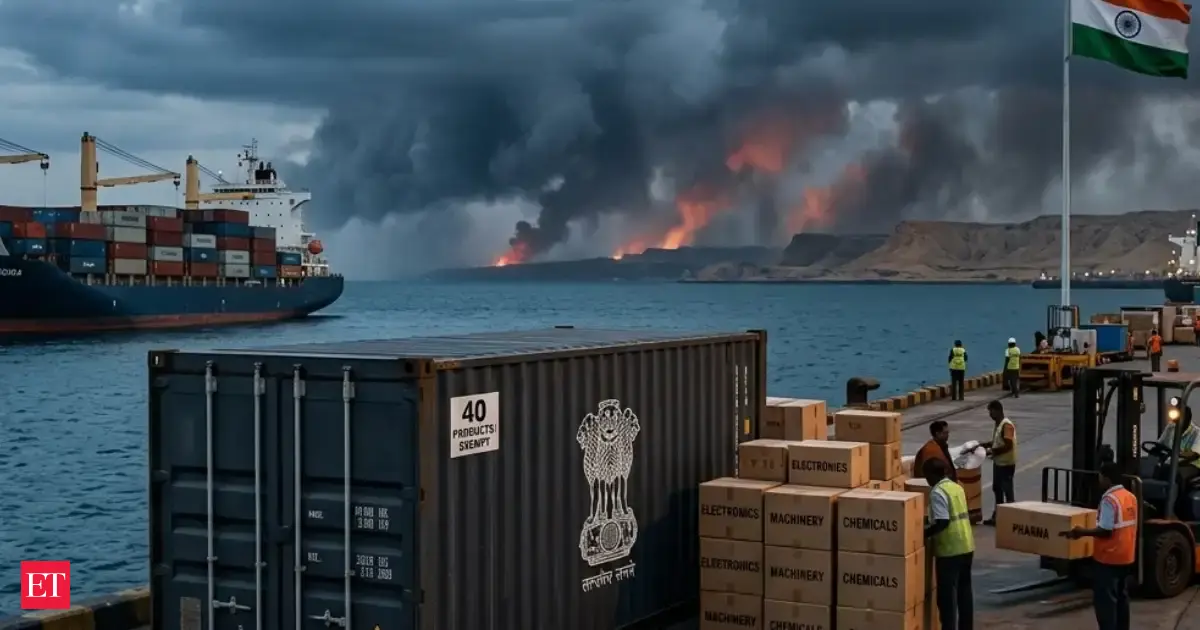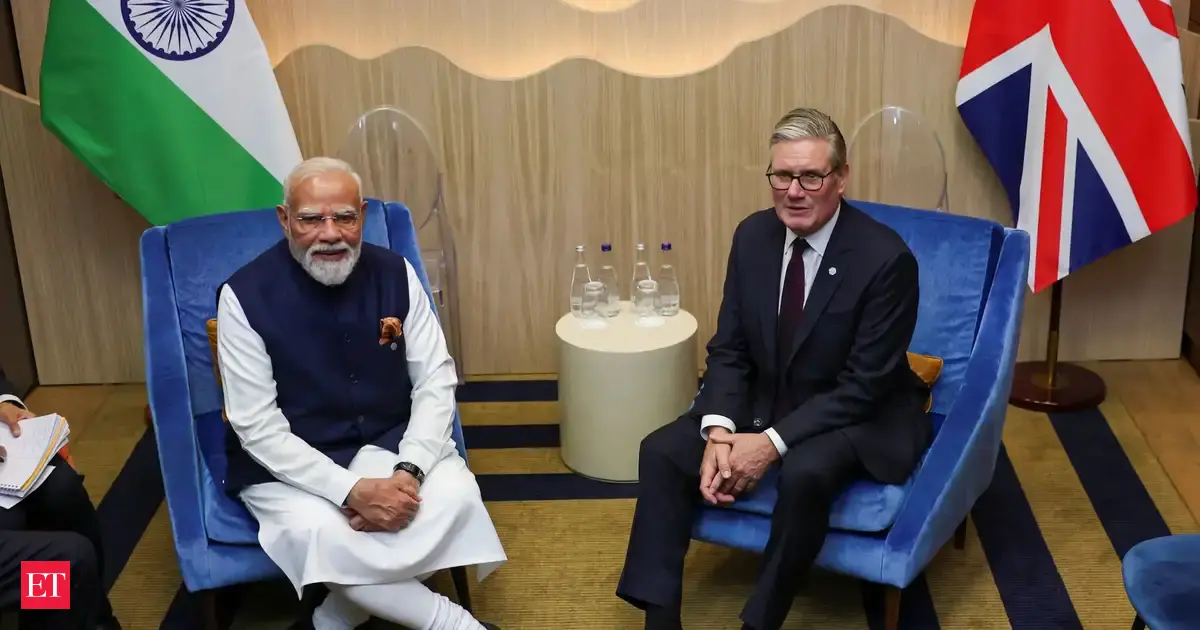
The Indian government has extended duty relief on approximately 40 key petrochemical products until July 15, according to the Economic Times. The exemption, originally scheduled to end on June 30, was prolonged as authorities continue to monitor developments in West Asia and their impact on global supply chains and freight movement.
Products Covered Under the Duty Waiver
The duty waiver covers a wide range of petrochemical feedstocks and intermediates widely used across multiple sectors. These include:
| Product | Key End-Use Sectors |
|---|---|
| Anhydrous Ammonia | Fertilizers, chemicals |
| Methanol | Plastics, paints, pharmaceuticals |
| Toluene | Paints, coatings, adhesives |
| Styrene | Plastics, synthetic rubber |
| Vinyl Chloride Monomer | PVC production, pipes, packaging |
| Dichloromethane | Pharmaceuticals, paint removers |
| Polybutadiene | Tires, automotive components |
| Styrene Butadiene | Synthetic rubber, tires |
| Unsaturated Polyester Resins | Construction, automotive, marine |
According to the Economic Times, these products are used in sectors such as plastics, packaging, textiles, pharmaceuticals, chemicals, automotive components, and other manufacturing industries that rely on imported petrochemical feedstocks and intermediates.
Supply Chain Context and Policy Rationale
The duty waiver was first introduced on April 2 as a temporary measure to shield domestic industries from disruptions caused by tensions in the West Asia region. The extension to July 15 reflects the government's continued assessment of the situation. The Economic Times reported that the Centre is monitoring developments in West Asia and their impact on global supply chains and freight movement. The region is a major source of petrochemical feedstocks, and ongoing geopolitical risks have raised concerns about supply reliability and shipping costs.
Customs Revenue Target
Despite the duty relief, the Indian government has set a customs revenue collection target of Rs 2.71 trillion for the current financial year (FY27). This is higher than the Rs 2.64 trillion collected in FY26, as reported by the Economic Times. The higher target suggests that the government expects robust import volumes or a recovery in revenues from other dutiable items to offset the temporary exemptions.
Implications for Market Participants
For commodity traders, procurement teams, and analysts tracking petrochemical markets, the extension provides near-term cost relief but adds uncertainty about policy beyond July 15. The duty waiver reduces landed costs for imported feedstocks such as methanol and styrene, potentially supporting margins for downstream users in plastics, packaging, and automotive sectors. However, the short extension window means buyers must prepare for possible reinstatement of duties after July 15. The ongoing monitoring of West Asia tensions also implies that supply disruptions could persist, keeping freight rates elevated. The higher customs revenue target signals that the government expects overall trade activity to remain strong, but could also lead to tighter fiscal adjustments if the duty relief is extended further.
Sources: