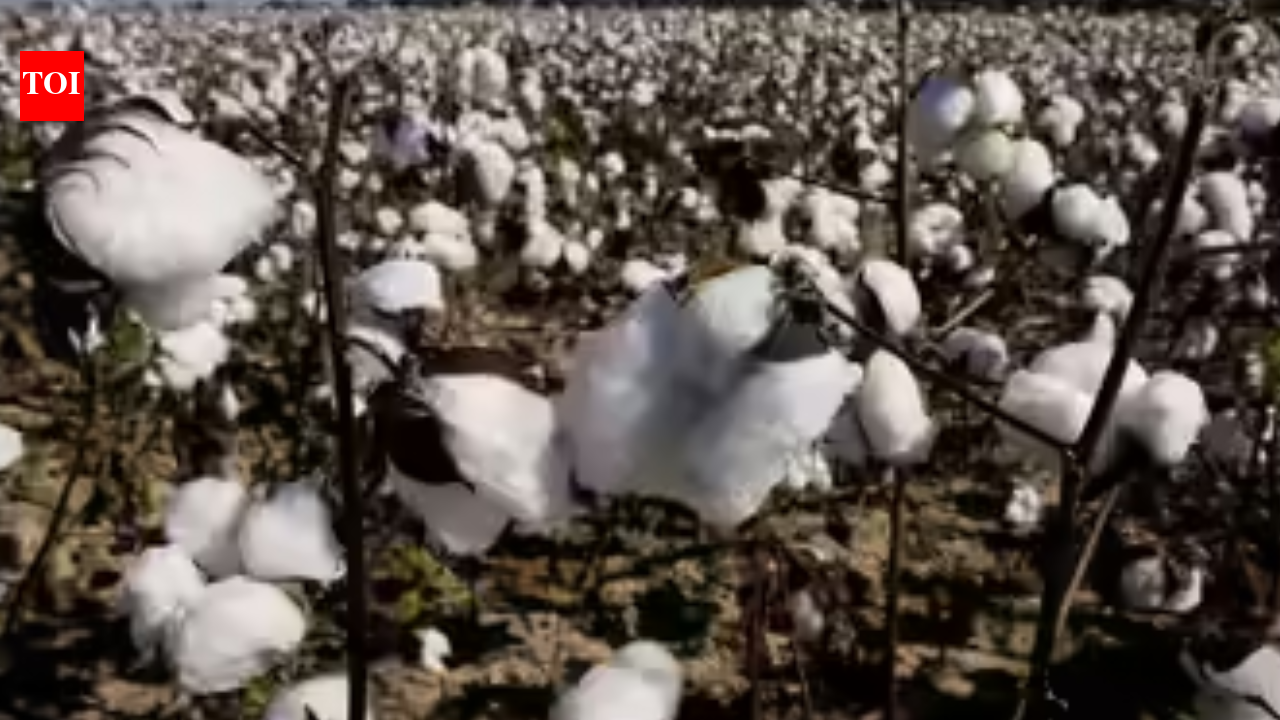
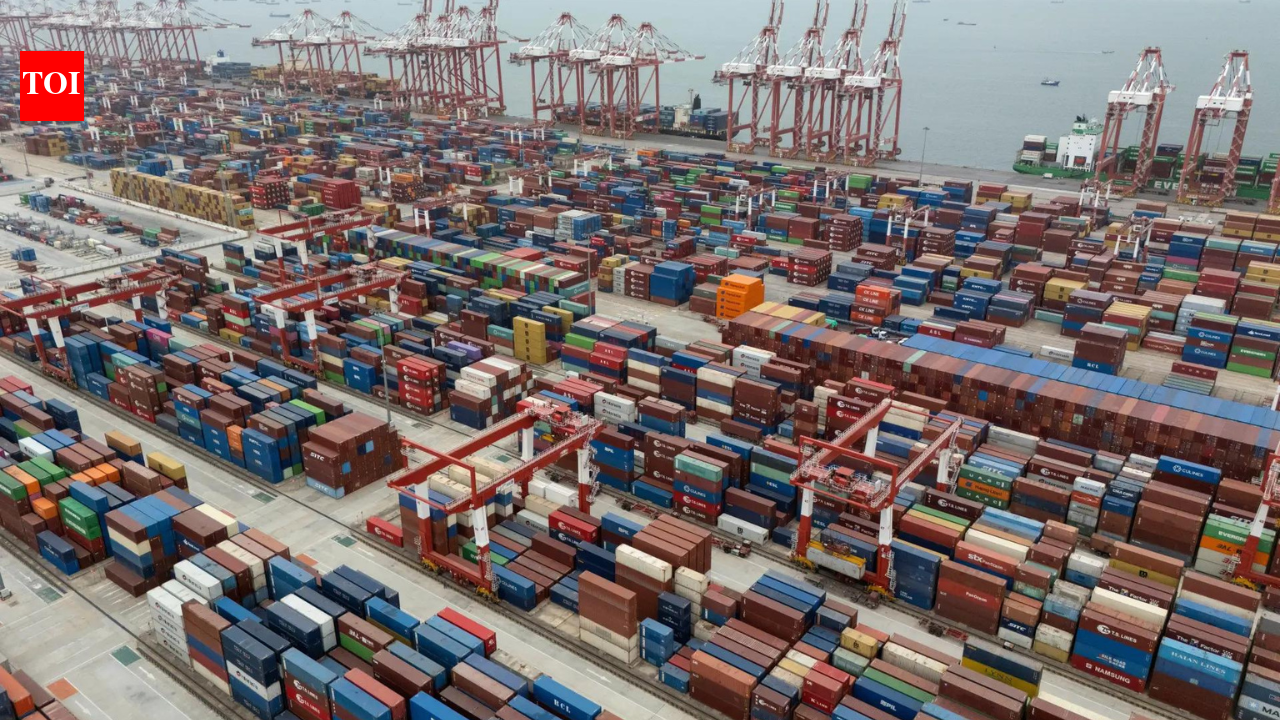
India's decision to suspend import duty on cotton from June 1 to October 31 has led to a decrease in domestic cotton prices, providing relief to the textile industry. This move is expected to enhance the availability of cotton, allowing mills to import from various origins and potentially export yarn at more competitive prices.
Impact on Domestic Prices
The Cotton Corporation of India (CCI) has responded by reducing its sale price by Rs 700 per candy (356 kg) for the 2025-26 crop. Despite this reduction, demand remains muted, with only around 700 bales being sought by millers. Ramanuj Das Boob, a sourcing agent in Raichur, notes that domestic buyers now have the option to import or purchase from domestic resellers, including CCI and multinational companies.
Global Market Influence
Cotton futures on ICE have seen a 1.68% increase, hovering around 77.44 cents per pound. The global market has experienced a 47% rise in cotton futures since early February, peaking at 88 cents per pound in May before easing. Anand Popat of CotYarn Tradelink highlights that the duty removal will benefit spinners, enabling them to produce higher-quality yarns and finished products.
"The textiles sector will gain easier access to contamination-free cotton, resulting in likely increases in yarn, fabrics, and textile products," said Anand Popat.
Future Outlook
New import contracts are expected to arrive in India by mid-July, potentially increasing consumption due to improved availability and quality options. The availability of imported cotton could also influence domestic price trends, making Indian cotton less sensitive to rising ICE futures.
| Date | Event | Impact on Prices |
|---|---|---|
| June 1 | Import duty suspension begins | Domestic prices ease |
| October 31 | Import duty suspension ends | Future price impact TBD |
CCI's Strategic Moves
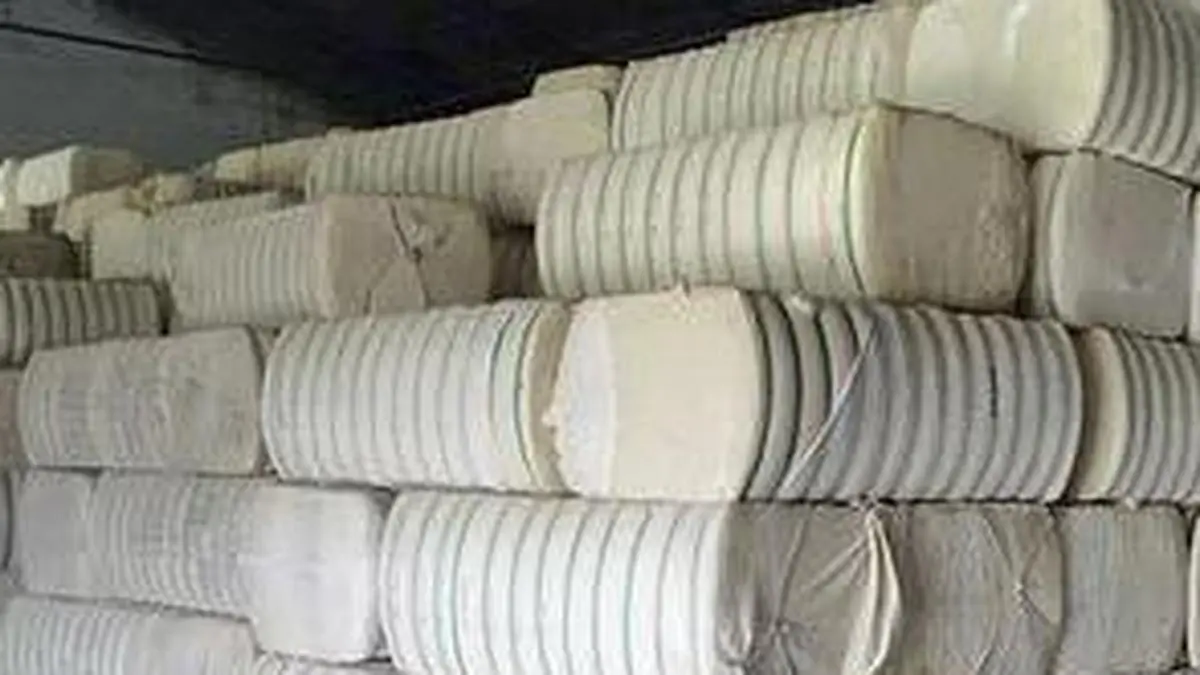
The CCI, having procured about 105 lakh bales of 170 kg each, has sold a significant portion, with current stocks estimated at 32 lakh bales. The organization initially set prices at Rs 57,200 per candy, later reducing them to Rs 54,600 and gradually increasing to Rs 68,600.
The Cotton Association of India (CAI) anticipates a 7% increase in cotton area for the upcoming kharif cropping season, reflecting optimism in the sector.
This strategic policy change by the Indian government is poised to bolster the textile industry, offering a competitive edge in the international market.