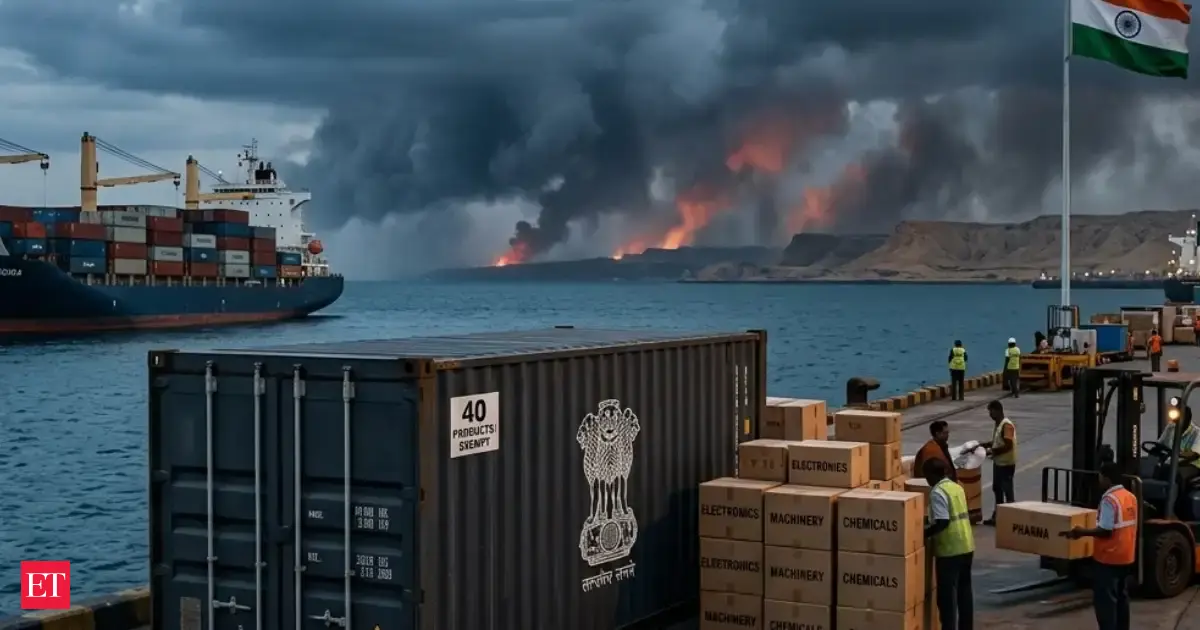
India is weighing an extension of its temporary customs duty exemption on 40 petrochemical products beyond the current expiry date of June 30, according to a report by Economic Times. The exemption, which took effect on April 2, reduces import duties to nil on critical feedstocks, providing relief to domestic industries facing supply chain disruptions due to the ongoing war in West Asia and a significant drop in cargo movements through the Strait of Hormuz.
Products Covered Under the Exemption
The duty waiver applies to 40 specified products, primarily petrochemical intermediates and feedstocks. Among the listed items are:
| Product | HS Code (not specified in source) |
|---|---|
| Anhydrous Ammonia | – |
| Toluene | – |
| Styrene | – |
| Vinyl chloride monomer | – |
The full list includes additional products critical to downstream manufacturing sectors such as plastics, packaging, textiles, pharmaceuticals, chemicals, and automotive components.
Beneficiary Sectors
According to the government, the "temporary and targeted relief" is intended to support industries reliant on petrochemical feedstock. Key beneficiary sectors include:
- Plastics and packaging
- Textiles
- Pharmaceuticals
- Chemicals
- Automotive components
- Other manufacturing segments
Customs Revenue Targets
The government has set a customs revenue target of Rs 2.71 trillion for the current fiscal year, compared to Rs 2.64 trillion in FY26. The extension of the duty exemption may affect revenue collection, though the government is yet to announce a final decision.
Geopolitical Context
The war in West Asia and the effective blockade of the Strait of Hormuz have raised prices of crude oil, food, and fertiliser imports. According to the report, supplies of raw materials have been impacted as movement of cargoes via the strait has fallen significantly. The duty exemption is part of India's broader strategy to mitigate these disruptions and maintain industrial production.
Sources: