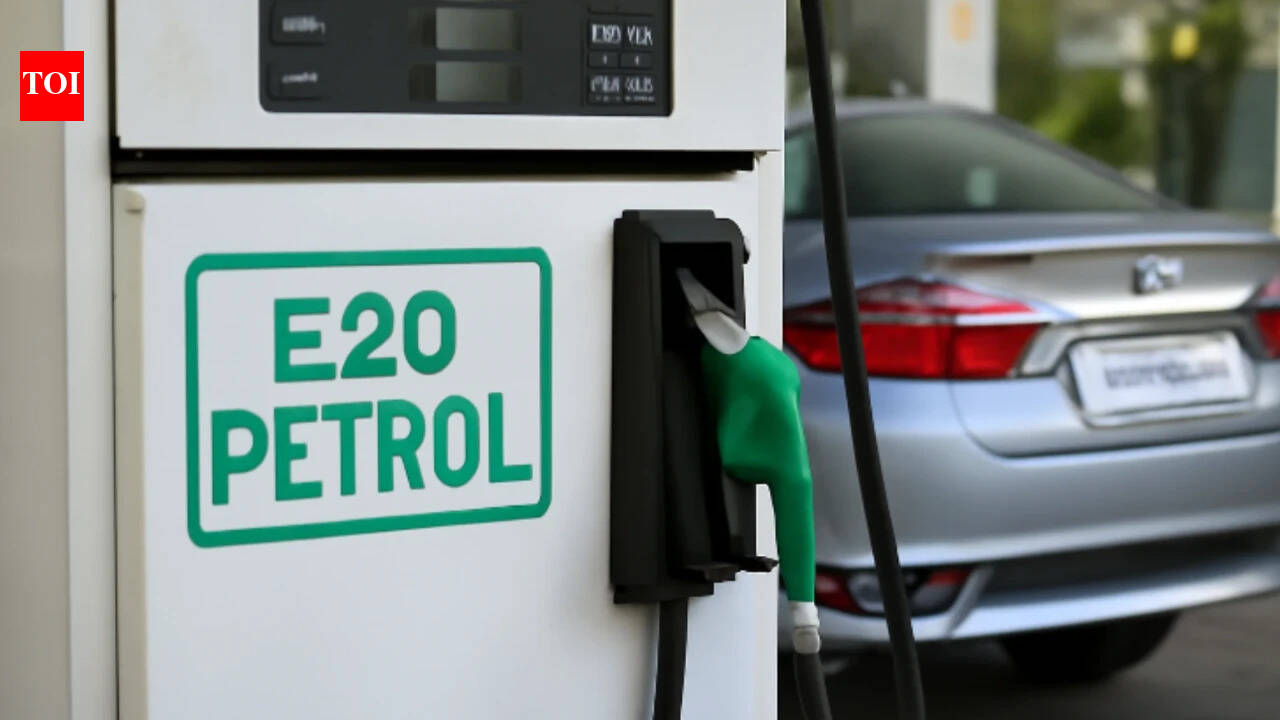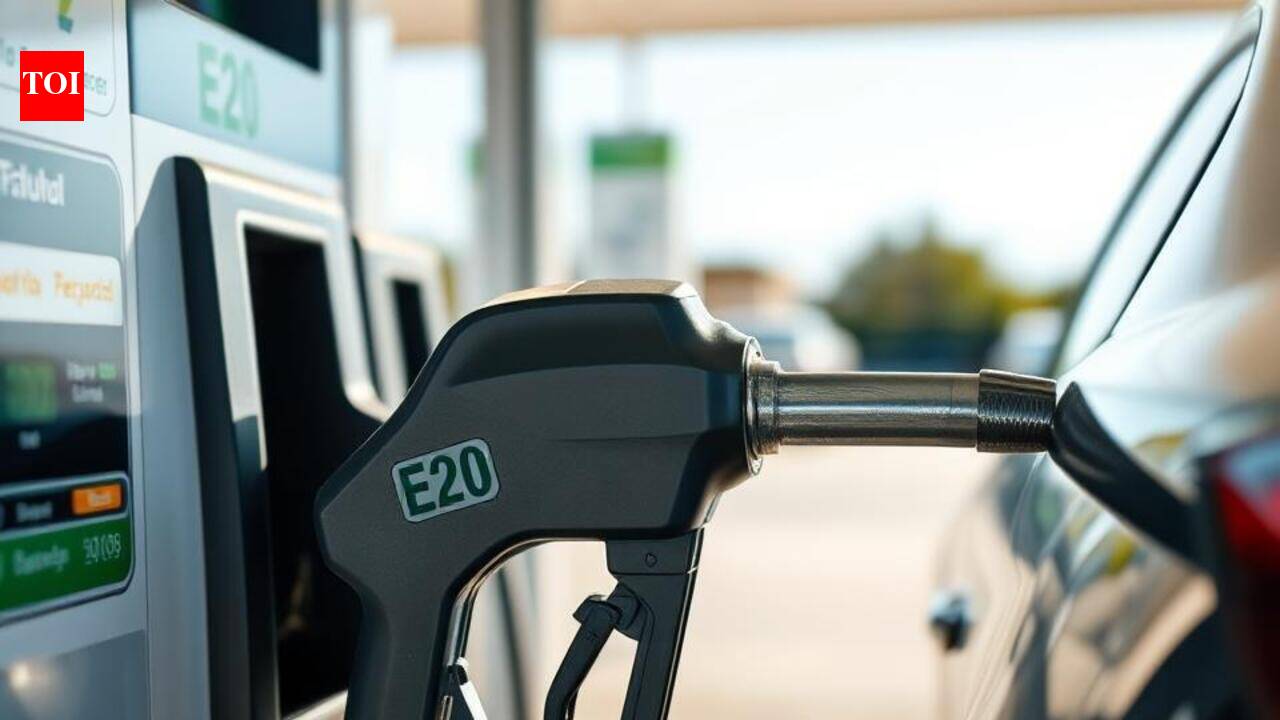
The Indian government on Thursday clarified that premium petrol sold by state-run fuel retailers will continue to be supplied without ethanol, and that there is no plan to increase ethanol blending in regular petrol beyond the current 20% level. The statement came in a written reply by Minister of State for Petroleum and Natural Gas Suresh Gopi in the Lok Sabha, addressing multiple questions on the country's ethanol blending policy.
Premium Petrol Exemption
According to the minister, three premium petrol variants — Indian Oil Corporation's XP100, Hindustan Petroleum's poWer100, and Bharat Petroleum's Speed100 — are supplied without ethanol because they are niche fuels containing specialized performance-enhancing additives. These grades account for only around 0.5% of the country's total petrol sales. The price differential is significant: premium petrol is priced at around ₹160 per litre, while regular petrol blended with 20% ethanol (E20) is sold at ₹102.12 per litre.
| Fuel Type | Price (per litre) | Ethanol Content | Market Share |
|---|---|---|---|
| Premium petrol (XP100, poWer100, Speed100) | ~₹160 | 0% (E0) | ~0.5% |
| Regular petrol (E20) | ₹102.12 | 20% | Majority |
No Return to Lower Ethanol Blends
The government categorically ruled out restoring petrol with lower ethanol content. "Having been scientifically validated and accepted by the automobile industry after extensive testing, there is no proposal to revert to E0/E10 petrol," Gopi stated. He explained that maintaining separate nationwide supply chains for E0, E10, and E20 petrol across more than one lakh retail outlets would significantly increase logistics complexity, inventory, and handling costs.
"The objective of public policy is to move forward with a superior fuel, not return to an inferior standard." — Suresh Gopi, Minister of State for Petroleum and Natural Gas
E20 Fuel Performance Confirmed
The minister noted that no widespread or substantiated complaints have been received from vehicle manufacturers, automobile associations, or consumer organizations regarding E20 fuel. Laboratory studies, field trials, and operational data have shown no widespread adverse impact on engine durability, vehicle performance, or vehicle life. Over 20 crore two-wheelers and more than 3 crore petrol cars are already running on higher ethanol blends without verified evidence of widespread engine failures linked to ethanol blending.
Implications for Ethanol Market
While the government currently has no plan to raise ethanol blending beyond 20%, any future decision would be taken only after detailed scientific and technical studies and consultations with automobile manufacturers, oil marketing companies, and research institutions, according to Gopi. The government has directed all fuel retailers to supply petrol blended with up to 20% ethanol across all states and Union territories under the Ethanol Blended Petrol (EBP) programme. It also notified ethanol-blended motor spirit with a minimum Research Octane Number (RON) of 95 with effect from April 1, 2026.
For commodity traders and analysts tracking ethanol and sugar markets, the policy clarification indicates that near-term demand growth from the blending mandate will remain capped at current levels. Any upside would require a formal policy change, which the government has not signaled. The exemption of premium petrol, though negligible in volume, underscores that specialized fuel grades will avoid ethanol blending due to their additive requirements.
Sources: