According to Business Today, the Centre has categorically denied reports that it is planning to blend ethanol with aviation turbine fuel (ATF), denouncing the claims as "completely false and irresponsible". Union civil aviation minister Ram Mohan Naidu Kinjarapu, in a post on X, stated that "there is no such proposal" under consideration by the government. The minister also urged the public not to spread misinformation on aviation safety, saying such claims only create unnecessary anxiety among air travellers.
Government refutes ethanol-ATF blending claim
The clarification, reported by Business Today on 6 August 2026, came in response to circulating reports that the government was considering blending ethanol with jet fuel. Kinjarapu called the claims "completely false and irresponsible" and stressed that passenger safety remains the government's highest priority. "Spreading misinformation on aviation safety only creates needless anxiety among air travellers," he said, according to the article.
The minister's statement was issued on X, directly addressing the speculation and asking people not to circulate misleading claims related to aviation. He emphasised that no such proposal is being examined by the government, putting an end to the immediate conjecture.
Ethanol vs Sustainable Aviation Fuel: Key distinction
A central part of the minister's clarification was the distinction between ethanol and sustainable aviation fuel (SAF). Kinjarapu said the two are "entirely different" fuels and should not be conflated. According to Business Today, he explained that SAF is an internationally certified aviation fuel recognised by the International Civil Aviation Organisation (ICAO) and has been adopted globally. It also undergoes rigorous testing and meets stringent international safety standards before being approved for use.
| Parameter | Ethanol | Sustainable Aviation Fuel (SAF) |
|---|---|---|
| Aviation certification | Not recognised as ATF under the statement | Internationally certified aviation fuel |
| Recognition | Distinguished from SAF by the minister | Recognised by ICAO, adopted globally |
| Testing & standards | No aviation-specific standard cited | Rigorous testing, meets stringent global safety standards |
| Use in jet fuel | No proposal by the government | Approved global aviation fuel |
The minister's clarification is intended to prevent confusion between the two fuels, especially as ethanol is widely used in road transport blending in India.
E20 petrol efficiency context
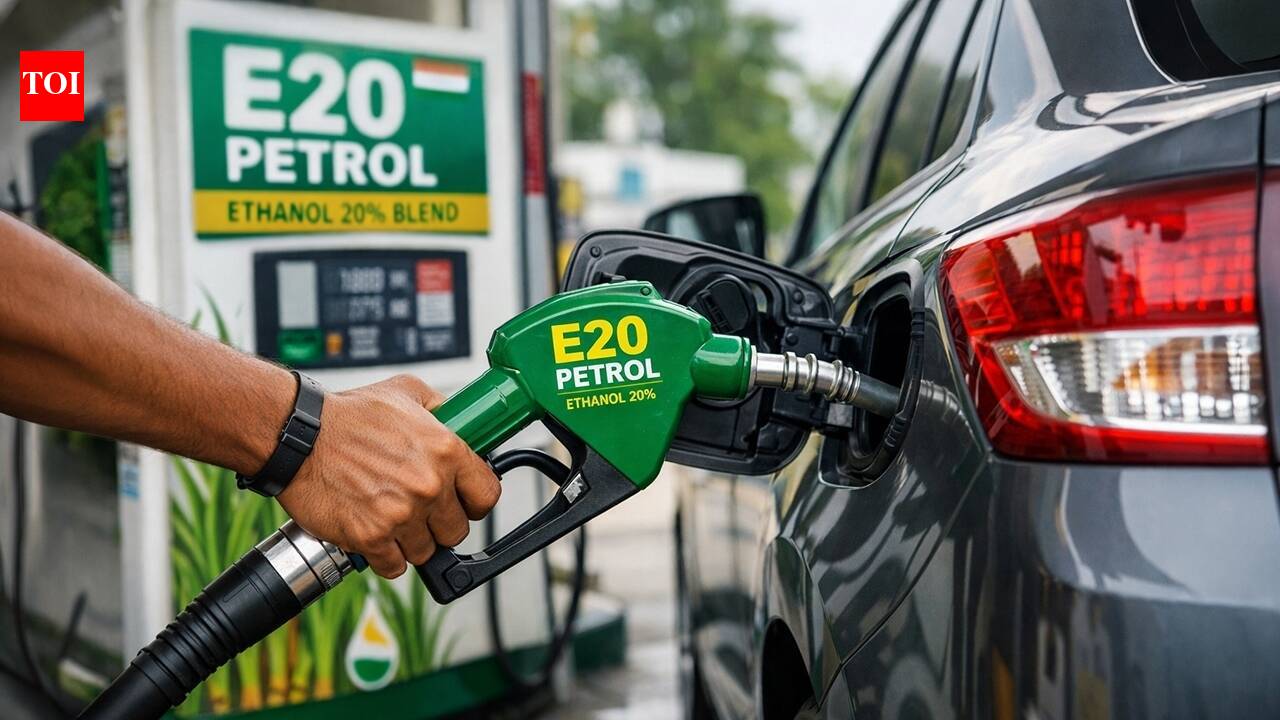
The government's denial comes amid an ongoing debate over ethanol-blended fuels. According to Business Today, road transport and highways minister Nitin Gadkari informed Parliament that E20 petrol — a blend of 20% ethanol and 80% petrol — may reduce vehicle fuel efficiency by 2-6%, depending on the vehicle category and age. However, extensive studies found no evidence of engine failures, he said.
This context highlights the wider policy push for ethanol blending in India's transport sector, even as the government draws a clear line against using ethanol in aviation turbine fuel. The distinction matters for commodity market participants tracking ethanol demand and SAF adoption, as the two fuels serve very different regulatory and technical pathways.
For traders and procurement teams, the statement confirms that ethanol remains a road-transport fuel component in India, while SAF continues to be governed by international aviation standards. No market price movements or supply-demand changes were reported in the source article, but the clarification removes a potential source of speculative disruption in ethanol and jet fuel markets. The next relevant data point would be any official policy announcement on SAF blending or ethanol supply allocations, which the source does not indicate at this stage.
Sources: