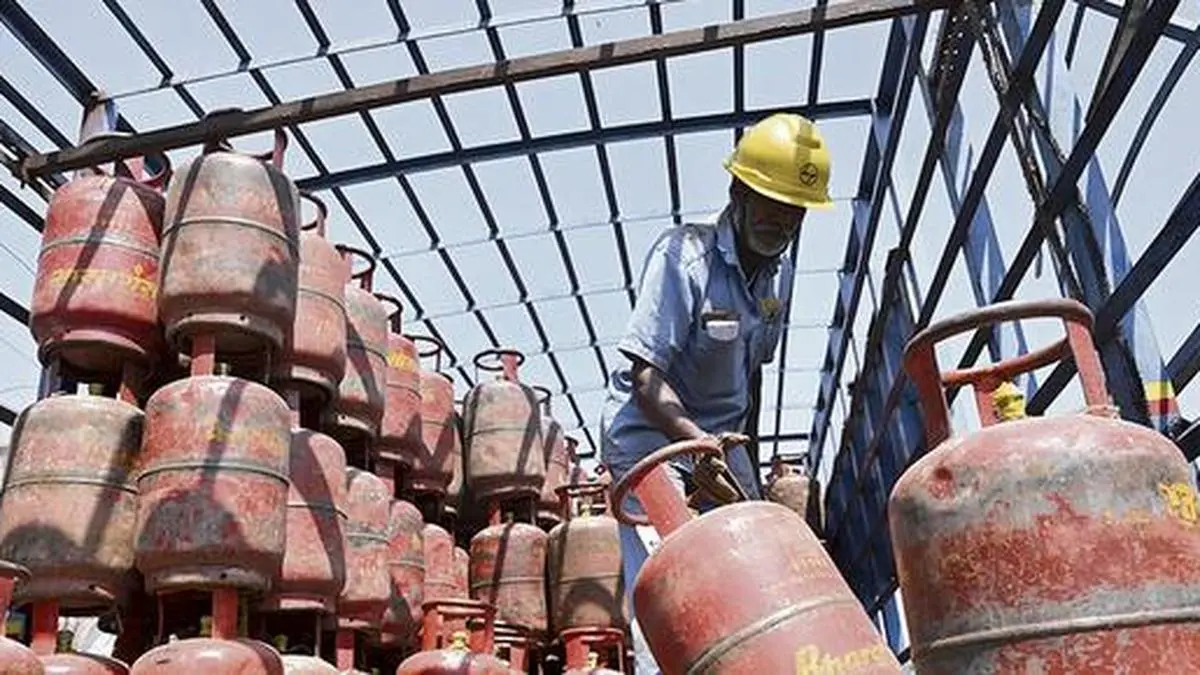
Jet fuel prices have been cut to Rs 110 per litre, according to a report by Business Today. The headline figure represents a key input cost for India's aviation sector, which has faced volatile fuel expenses over the past year. However, the source article does not specify the exact date of the price cut, the previous price level, or the geographic scope of the reduction. No details on supplier, delivery point, or contract terms were provided.
Price Cut Details
According to Business Today, the new price is Rs 110 per litre. The report originates from the TOI Business Desk, which describes itself as a team delivering business news to Times of India readers. The article also includes unrelated calculators for loans, SIPs, PPF, FD, NPS, and mutual funds, but those are not linked to the jet fuel price move. No information on whether this is a retail price (at airport) or wholesale (ex-refinery) was given, nor the effective date.
Implications for Commodity Traders
For commodity traders and procurement teams, a jet fuel price of Rs 110/litre is a significant benchmark. Jet fuel is a distillate of crude oil, and its price typically tracks global kerosene-type jet fuel indices such as those on the ICE or CME. Without details on the crude oil price level or the refining margin, the magnitude of the change relative to global markets is unclear. The source did not mention any supply or demand drivers—such as OPEC+ decisions, refinery runs, or domestic aviation fuel demand—that might have triggered the cut.
What the Source Lacks
The Business Today report is extremely brief, containing no data beyond the headline and an image. It does not provide:
- The previous jet fuel price for comparison
- Percentage change week-over-week or year-over-year
- Names of oil marketing companies (e.g., Indian Oil, HPCL, BPCL) that revised prices
- Any reference to global crude benchmarks (Brent, WTI)
- Commentary from analysts or airline executives
- Impact on airline stocks or passenger fares
Commodity analysts seeking to use this information for trading or procurement would require additional context. The lack of specification on grade (e.g., Jet A-1), delivery point (e.g., Delhi, Mumbai), and taxes (if included) limits the usefulness of the reported price.
Looking Ahead
Given the sparse details, market participants will need to rely on alternative sources—such as the Indian Oil Corporation daily price bulletin or Platts assessments—for actionable intelligence. The next scheduled update from the source or from government data may provide the missing figures. Until then, the Rs 110/litre figure remains an isolated data point rather than a complete market signal.
Sources: