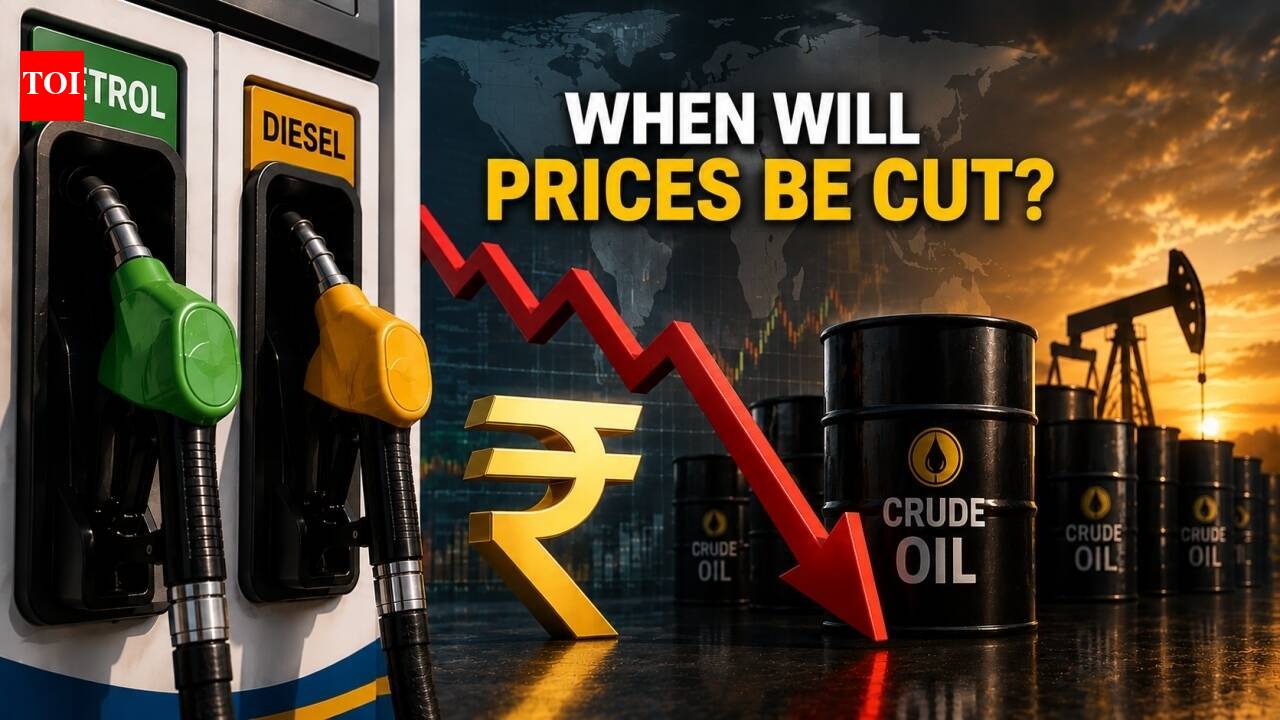
Global crude oil prices have tumbled to four-month lows, offering potential relief to Indian oil marketing companies (OMCs) that could break even on petrol and diesel sales within seven to ten days if prices hold, according to a report by Business Today. Brent crude, the global benchmark, has retreated to around $72 a barrel, while the Indian crude basket has eased to about $67–68 a barrel.
OMC Losses and Break-Even Timeline
State-run OMCs have collectively absorbed losses of over Rs 75,000 crore during the first quarter of the current financial year, according to Oil Minister Hardeep Singh Puri. These losses stem from selling petrol and diesel below cost for more than four months. However, if crude oil prices remain around current levels, OMCs could recover these accumulated losses over the next six to twelve months, industry estimates indicate. In the near term, they may reach break-even on petrol and diesel sales within seven to ten days. However, OMCs continue to incur losses of about Rs 500 on every domestic LPG cylinder they sell.
| Metric | Value | Source |
|---|---|---|
| OMC Q1 losses | Rs 74,781 crore | Oil Minister Hardeep Singh Puri |
| Petrol/diesel price increase since May 15 | ~Rs 7.5 per litre | Business Today |
| Break-even timeline (petrol/diesel) | 7–10 days if crude holds | Industry estimates |
| Loss recovery period | 6–12 months at $75/bbl crude | Industry estimates |
OPEC+ Supply Increase and Global Market Impact
The oil-producing alliance OPEC+ agreed on Sunday to raise crude output by another 188,000 barrels per day (bpd) for August, marking the fifth consecutive monthly production increase since the conflict in West Asia began on February 2, reported Business Today. The group, led by Saudi Arabia and Russia, has raised production quotas by a cumulative 940,000 bpd since the conflict started, according to reports. Analysts believe this latest hike will improve crude oil supplies globally, exerting downward pressure on prices and providing relief to major importing nations like India, which depends on imports for nearly 90% of its crude oil needs.
Retail Fuel Price Outlook
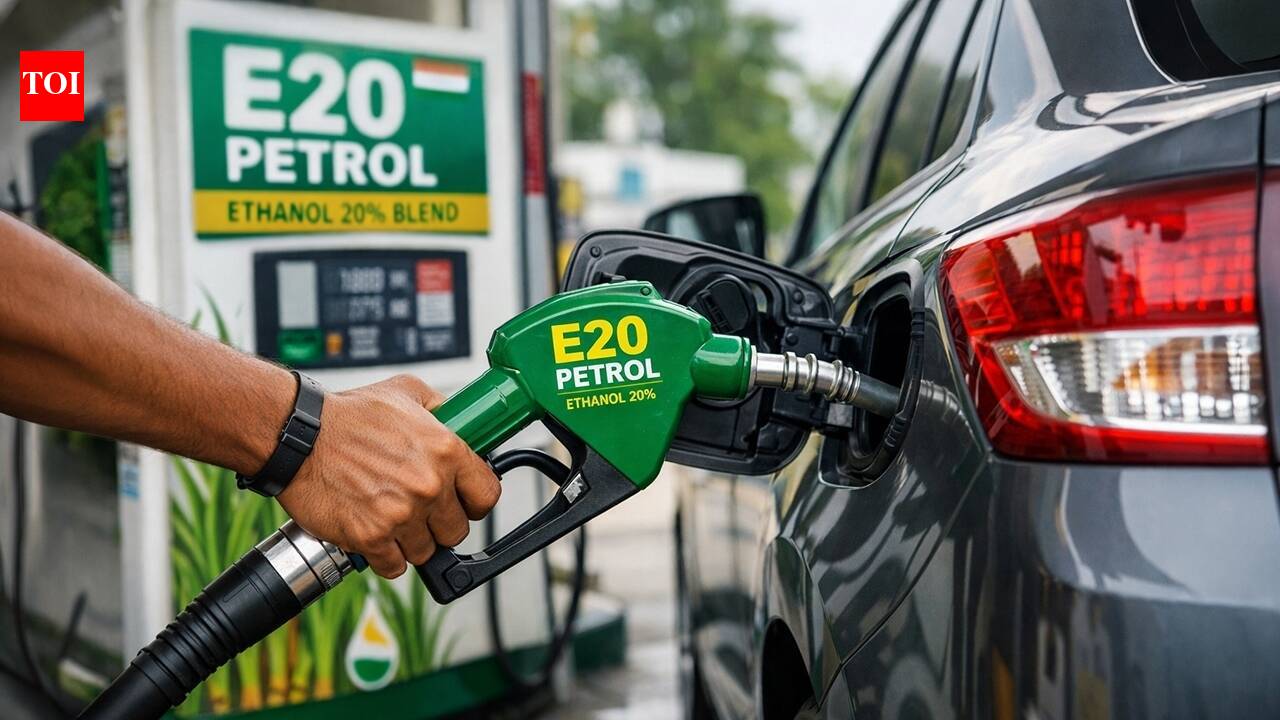
Retail fuel prices in India have increased by about Rs 7.5 per litre since May 15, with the first revision coming more than two-and-a-half months after the US-Iran conflict began. While private fuel retailer Nayara Energy has already lowered petrol and diesel prices, experts suggest consumers should not expect an immediate reduction from state-run OMCs. According to the report, once OMCs' financial position improves—potentially after six to twelve months of crude at $75 a barrel—and subject to government approval, reducing petrol and diesel prices could become viable without significantly affecting OMC finances. However, lowering retail prices before OMCs return to profitability would amount to an additional indirect subsidy, likely requiring either budgetary support or further excise duty reductions. Historically, during periods of lower crude oil prices, the Indian government has used the opportunity to rebuild fiscal revenues or strengthen OMC balance sheets rather than passing on the entire benefit to consumers immediately.
Implications for Commodity Markets
The combination of falling crude prices and rising OPEC+ output is likely to keep Brent under pressure. For commodity traders and procurement teams, the key data to watch include weekly US EIA inventory reports and IEA demand projections, though specific figures are not detailed in the source. The Indian crude basket at $67–68 suggests a discount to Brent, providing further margin buffer for Indian refiners. The production increase from OPEC+ is expected to help moderate inflationary pressures and enable India to replenish its strategic petroleum reserves, as per the article.
Sources: