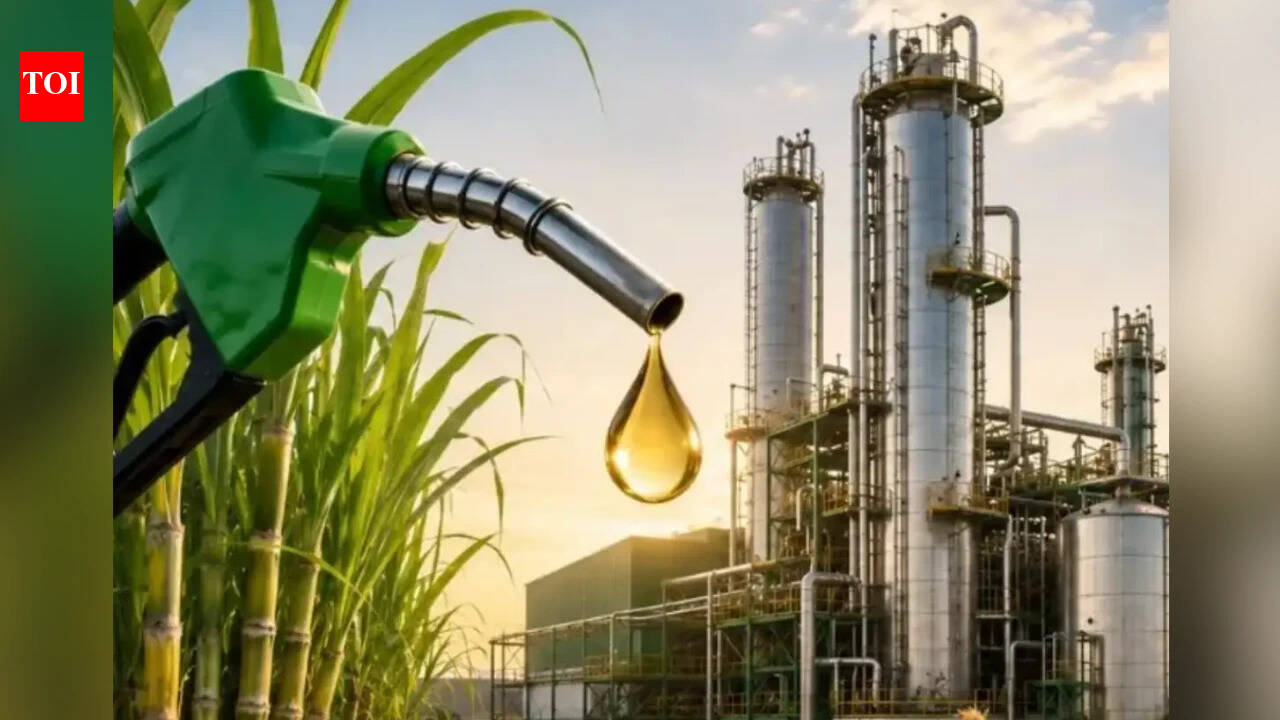
Every winter, Delhi-NCR faces a severe air quality crisis from vehicular emissions, industrial activity, dust, and biomass burning. Seasonal paddy stubble burning in northern India remains a major contributor, especially during October–November when weather conditions trap pollutants near the ground, according to a report by Dilip S Patil and Nidhi Sahu in The Hindu BusinessLine. Policy measures like the Crop Residue Management (CRM) scheme have reduced burning incidents, but the problem’s scale demands a structural, economically viable solution. Compressed Biogas (CBG) production from paddy straw addresses both environmental and agricultural challenges effectively.
The True Cost of Paddy Straw Burning
The losses from stubble burning are substantial and quantifiable. Burning one tonne of paddy straw releases:
| Pollutant | Quantity per tonne |
|---|---|
| Particulate matter | 3 kg |
| Carbon monoxide (CO) | 60 kg |
| Carbon dioxide (CO₂) | 1,460 kg |
| Ash | 199 kg |
| Sulphur dioxide (SO₂) | 2 kg |
These emissions worsen air quality, triggering respiratory illnesses, eye and skin problems, and aggravating heart and lung diseases. Burning also depletes soil nutrients. Each tonne of paddy straw contains:
| Nutrient | Quantity per tonne |
|---|---|
| Nitrogen (N) | 5.5 kg |
| Phosphorus (P₂O₅) | 2.3 kg |
| Potassium (K₂O) | 25 kg |
| Sulphur (S) | 1.2 kg |
| Organic carbon | 400 kg |
| Essential micro-nutrients | 50–70% |
Much of this is lost in flames, harming soil temperature, pH balance, moisture, phosphorus availability, and organic matter. The result is long-term decline in agricultural productivity.
Abundant Resource, Untapped Potential
India produces an estimated 228–230 million tonnes of surplus agricultural biomass annually (after traditional uses like fodder), with heavy concentrations in Punjab, Haryana, Uttar Pradesh, Madhya Pradesh, and Rajasthan—the states worst affected by stubble burning. This biomass represents a strategic opportunity: converting paddy straw from an environmental liability into a valuable energy resource via CBG production, complemented by biomass co-firing in thermal power plants.
CBG: A Multi-Dimensional Solution
Air Pollution Mitigation: CBG plants offer a direct alternative to open-field burning, cutting pollutant emissions at the source.
Climate and Sustainability Benefits: As a clean, renewable fuel, CBG reduces greenhouse gas emissions and generates nutrient-rich organic manure (FOM/LFOM), aiding soil restoration and sustainable farming.
Energy Security: Domestically produced CBG decreases reliance on imported natural gas. The government’s CBG Blending Obligation (CBO)—starting at 1% in FY 2025–26 and rising to 5% by FY 2028–29—supports national targets while providing reliable, dispatchable energy.
Rural Economic Growth: CBG projects create farmer income streams, generate rural jobs, and build organized biomass supply chains.
The Economic Constraint
Despite these benefits, paddy straw-based CBG faces viability challenges:
- High costs of biomass collection and transportation
- Need for pre-processing infrastructure (baling, shredding, storage)
- Feedstock quality variability
- Elevated capital and operational expenses
These issues necessitate targeted policy and financial support, building on frameworks like the Revised Operational Guidelines 2024 of the CRM scheme.
The Case for Special Funding
To scale up successfully, paddy straw-based CBG should receive priority status through:
- Enhanced capital subsidies and Viability Gap Funding (VGF): Higher subsidies can offset elevated upfront costs, especially for pre-treatment systems. VGF bridges the gap between project costs and returns, boosting investor confidence.
- Uncapped financial assistance for biomass aggregation infrastructure: Efficient baling, storage, and transportation systems are critical. Uncapped or higher support for logistics will reduce bottlenecks and strengthen feedstock supply chains.
- Access to carbon markets and climate finance: Paddy straw CBG projects deliver major emission reductions, qualifying for carbon credits. Easier access to voluntary and compliance markets plus climate finance can generate additional revenue streams, improving project economics.
For commodity traders and renewable energy investors, the development of a robust CBG sector represents a new market in agricultural waste-based fuels. The policy push through the CBO creates guaranteed demand, while financial incentives could lower entry barriers. Key upcoming data releases include the government’s budget allocation for the CRM scheme and any new guidelines for CBG blending targets. The success of these initiatives will determine whether paddy straw transforms from an environmental crisis into a sustainable energy opportunity.
Sources: