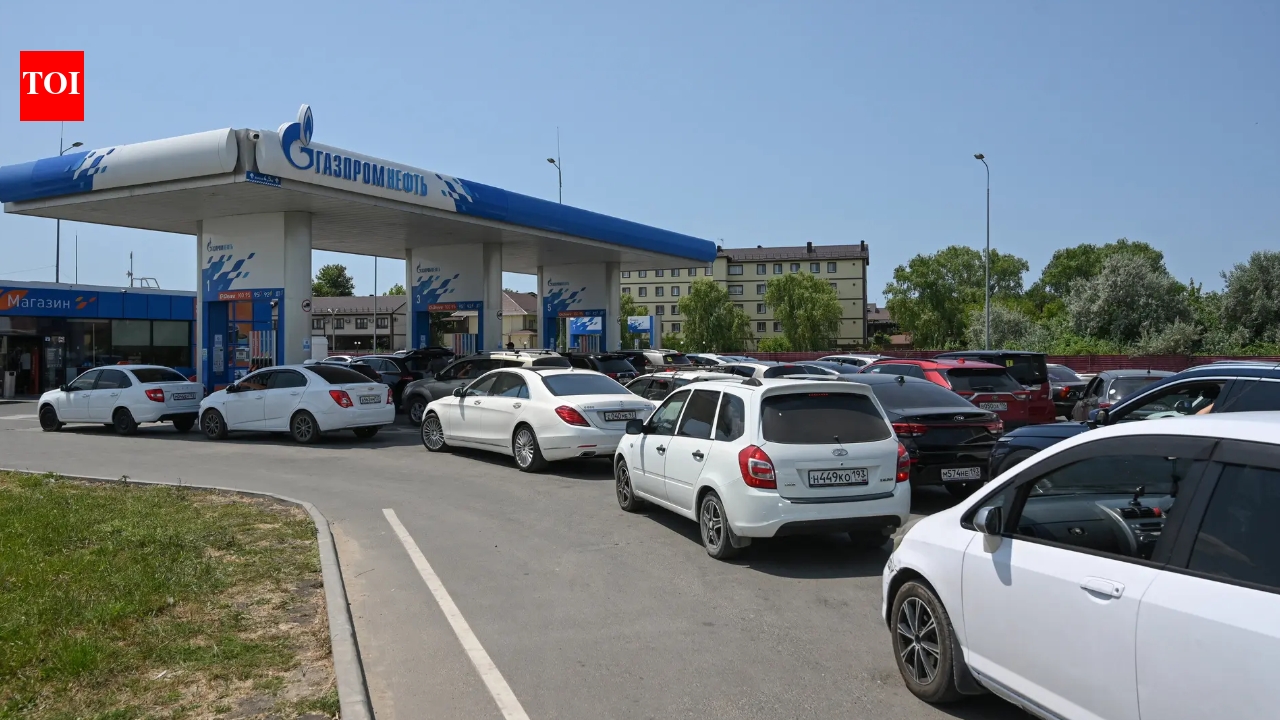
Fuel shortages have resurfaced in parts of Russia, with authorities in at least 10 regions tightening restrictions on petrol sales as supplies come under pressure following a fresh wave of drone attacks on oil refineries, according to Business Today. Petrol was unavailable at some filling stations in the Moscow region on Monday, while diesel remained available at most stations, Reuters reported, citing witnesses.
Recurring crisis timeline
The latest shortages come just weeks after Russia had managed to ease an earlier fuel crisis, Business Today reported. That disruption began building in May and spread to almost all regions by July, after drone attacks forced several refineries to shut down at a time when seasonal demand for fuel was rising.
| Phase | Period | Development |
|---|---|---|
| First wave | May–July | Drone attacks forced several refineries to shut down; shortages spread to almost all regions |
| Government response | June–July | Russia restricted petrol and diesel exports, relaxed fuel quality requirements, imported petroleum products |
| Easing | End of July | Fuel availability improved; some regions removed or eased restrictions |
| Second wave | Late July–early August | New drone attacks disrupted refinery production; regional authorities reintroduced sales controls |
| Current status | Mid-August | Petrol unavailable at some Moscow stations; officials review 10 regions |
Supply-side disruption
A new series of drone attacks targeting Russian refineries in late July and early August again disrupted production, putting pressure on supplies and prompting regional authorities to reintroduce measures to control fuel sales, according to Business Today. The government's earlier response to the first wave of outages included:
- Restricting exports of petrol and diesel
- Relaxing some fuel quality requirements
- Bringing in petroleum products from abroad to increase domestic supplies
By the end of July, fuel availability had improved and some regions had either removed or eased restrictions. The renewed attacks again put pressure on supplies and prompted regional authorities to reintroduce controls. The fuel shortages highlight the vulnerability of Russia's domestic energy market to repeated attacks on refining infrastructure, Business Today reported.
Demand-side pressure and retail availability
Petrol was unavailable at some filling stations in the Moscow region on Monday, while diesel remained available at most stations, according to Reuters, citing witnesses. Regional authorities and media reports also pointed to renewed controls on fuel sales in several parts of the country. The first wave of shortages developed when seasonal fuel demand was rising, and the new refinery outages now coincide again with seasonal demand while export restrictions remain in place.
Wholesale market signal
The renewed pressure is visible in wholesale markets. Average gasoline sales on the St Petersburg International Mercantile Exchange have fallen 20% since the beginning of August compared with the second half of July, according to exchange data cited by Business Today. That wholesale decline is a key indicator for commodity traders monitoring Russian fuel availability.
Government monitoring and affected regions
The Russian government said on Friday that fuel supplies remained difficult in several regions, according to Business Today. Energy officials reviewed the situation in Orenburg, Lipetsk, Tver, Krasnodar, Zabaykalsky, Primorsky, Krasnoyarsk, Oryol, Tuva and Khakassia.
With refinery outages coinciding with seasonal demand and restrictions on fuel exports already in place, authorities are again facing pressure to ensure adequate supplies at petrol stations. Russia continues to deal with the wider impact of drone attacks on its energy infrastructure, which have increasingly targeted refineries and other oil facilities, Business Today reported. For market participants, the recurring cycle of attacks, export curbs and import requirements means Russian fuel availability will remain a closely watched factor in regional energy balances.
Sources: