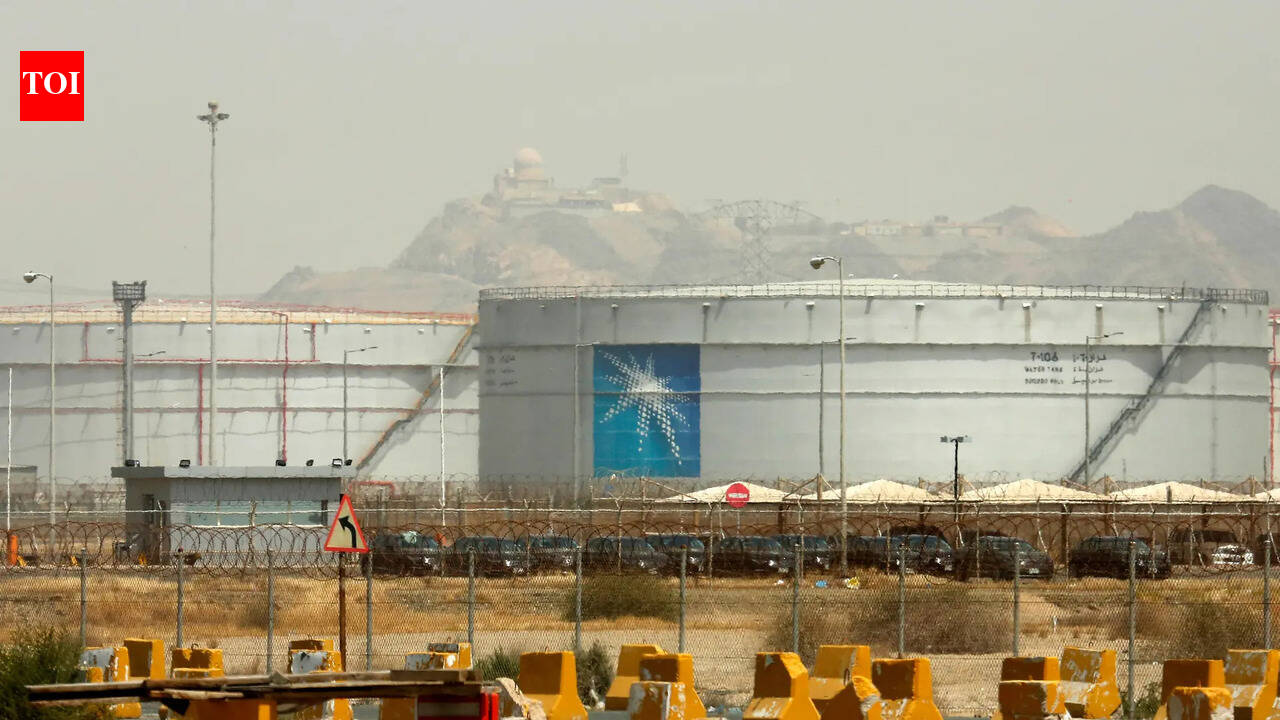
Saudi Arabia on Monday slashed crude oil prices by $11 a barrel for August, the sharpest fall in 26 years, according to a report by The Times of India. The cut, applied to Arab Light Crude, signals intense competition among major oil producers and follows a $6/barrel reduction for July after the Strait of Hormuz reopened, bringing prices crashing back to pre-February 28 levels.
Supply-Side Drivers: OPEC+ Output and Persian Gulf Flows
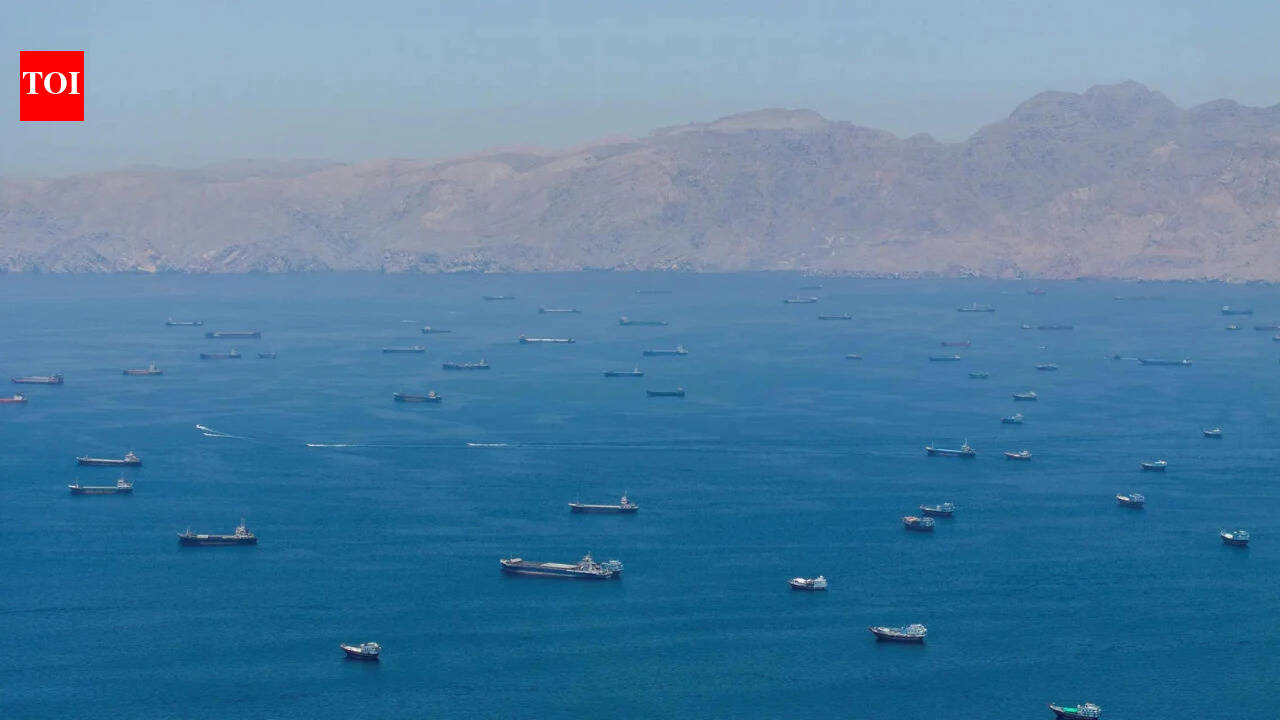
The price cuts come as major Persian Gulf producers ramp up output. Saudi Arabia's exports have already surged close to pre-war levels, with the kingdom's tankers transiting the Strait of Hormuz once more. The United Arab Emirates, which quit OPEC during the conflict, has also restored crude flows. On the broader front, OPEC+ and allies, including Russia, agreed to further increase output targets by 188,000 barrels per day from August, on top of similar increases for June and July, the report noted.
"Saudi's price for crude to Asia is $1.50 a barrel below the Oman/Dubai average," Bloomberg reported, as cited by the article.
Brent crude futures fell 47 cents to $71.7 a barrel on Monday evening (IST), reflecting the bearish supply outlook.
Demand-Side: Impact on India and Refiners
Lower prices and increased supply bode well for India, the world's third-largest crude importer. Indian refiners, which have been selling petrol and diesel below market prices and incurring continued losses on cooking gas cylinders, now look to recoup some of those losses. The government's subsidy bill, set to exceed budgeted levels after losses in the first quarter, may be reined in. The Centre has already taken a hit of over ₹1.2 lakh crore due to tax cuts and support to oil marketing companies, while only ₹12,000 crore was budgeted for LPG subsidies, a figure now expected to be at least three times higher.
| Item | Value |
|---|---|
| Saudi Arabia's August price cut | $11/barrel |
| July price cut | $6/barrel |
| OPEC+ additional output from August | 188,000 bpd |
| Brent crude futures | $71.7/barrel (down 47 cents) |
| Saudi price to Asia relative to Oman/Dubai | $1.50/barrel below average |
Oil marketing companies, however, remain uncertain how the government intends to cover their losses, as they face losses in the June quarter and inventory impacts spilling into the September quarter.
Broader Economic Implications
Lower oil and gas prices will reduce energy costs for Indian companies, helping keep overall inflation in check. This addresses a key concern for India Inc., which had feared that higher retail prices could prompt consumers to defer non-essential purchases. The price cut thus supports both the fiscal position and consumer sentiment, even as global crude markets remain under pressure from rising supply.
Sources: