Crude prices crossed the $90 mark on Tuesday as hopes for an early end to the Middle East war dimmed, with the US ruling out extending the ceasefire and Iran signalling a shift toward a more offensive military approach, according to Business Today. Around 7:30 am IST, WTI crude traded at $84.84 a barrel, up 34 cents or 0.40%, after gaining more than 1% earlier in the session to $85.37, its highest level since July 31. Brent crude stood at $91.08 a barrel, up 21 cents or 0.23%, after rising to its highest level since July 30 on Monday.
Price action: Brent tops $90, WTI near $85
Business Today reported that Brent crude surged past the $90-a-barrel mark as hopes of an early end to the Middle East war remained uncertain. The prospects of renewed peace talks and a return of oil tanker traffic through the Strait of Hormuz have stalled, the report said.
| Contract | Price | Change | Intraday high |
|---|---|---|---|
| Brent crude | $91.08/barrel | +21 cents (+0.23%) | Highest since July 30 |
| WTI crude | $84.84/barrel | +34 cents (+0.40%) | $85.37 (highest since July 31) |
Strait of Hormuz: Ship traffic collapses
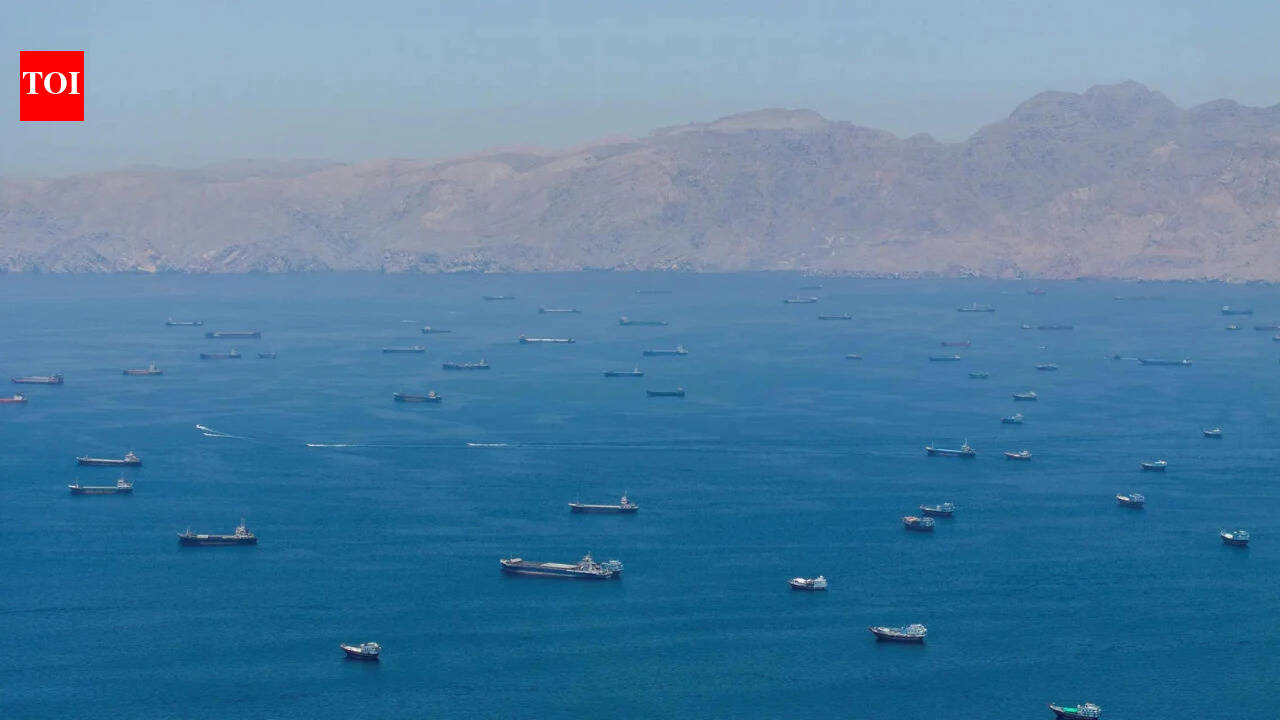
The impact on shipping through the Strait of Hormuz has become increasingly visible, according to Business Today. Kpler's ship-tracking data showed that just five commodity vessels passed through the strait on Saturday following attacks on tankers, while none were registered on Sunday. The previous weekend had seen 31 vessels transit the waterway, Reuters reported.
- Saturday: 5 commodity vessels
- Sunday: 0 registered vessels
- Previous weekend: 31 vessels
The collapse in transit numbers underscores the disruption to crude and commodity flows through one of the world's most critical chokepoints, with the report noting that tensions have also spread to the Red Sea.
Geopolitical drivers: Iran, US and Houthi attacks
A senior Iranian official told Reuters on Monday that Iran would move to a "fully offensive" military posture as attempts to negotiate a permanent end to the war with the US had stalled. Business Today reported that Washington has also ruled out extending the temporary ceasefire agreement.
Separately, Yemen's Houthis attacked what they described as a Saudi military ship along with four escort vessels using missiles, according to the group's military spokesperson Yahya Saree on Telegram. The attack extends the conflict's reach beyond the Persian Gulf into the Red Sea.
Iran-Oman talks and Trump's threat
Iran has been holding separate negotiations with Oman over an agreement to manage the Strait of Hormuz and said the two sides were close to reaching a deal, according to the report. US President Trump responded by threatening to bomb Oman, which is a longstanding US security partner.
However, there were some signs that diplomatic efforts could still continue. Media reports cited by Business Today said Trump had begun back-channel discussions with the Islamic Revolutionary Guard Corps.
A senior Iranian official told Reuters on Monday that Iran would move to a "fully offensive" military posture as attempts to negotiate a permanent end to the war with the US had stalled.
The combination of stalled ceasefire diplomacy, reduced Hormuz transits, and a Houthi missile attack on Saudi-linked vessels points to elevated supply-side risk for crude markets, according to Business Today. With Brent holding above $90 and WTI near $85, traders are now weighing the possibility of further disruption to tanker movements through the strait against any revival of diplomatic channels.
Sources: