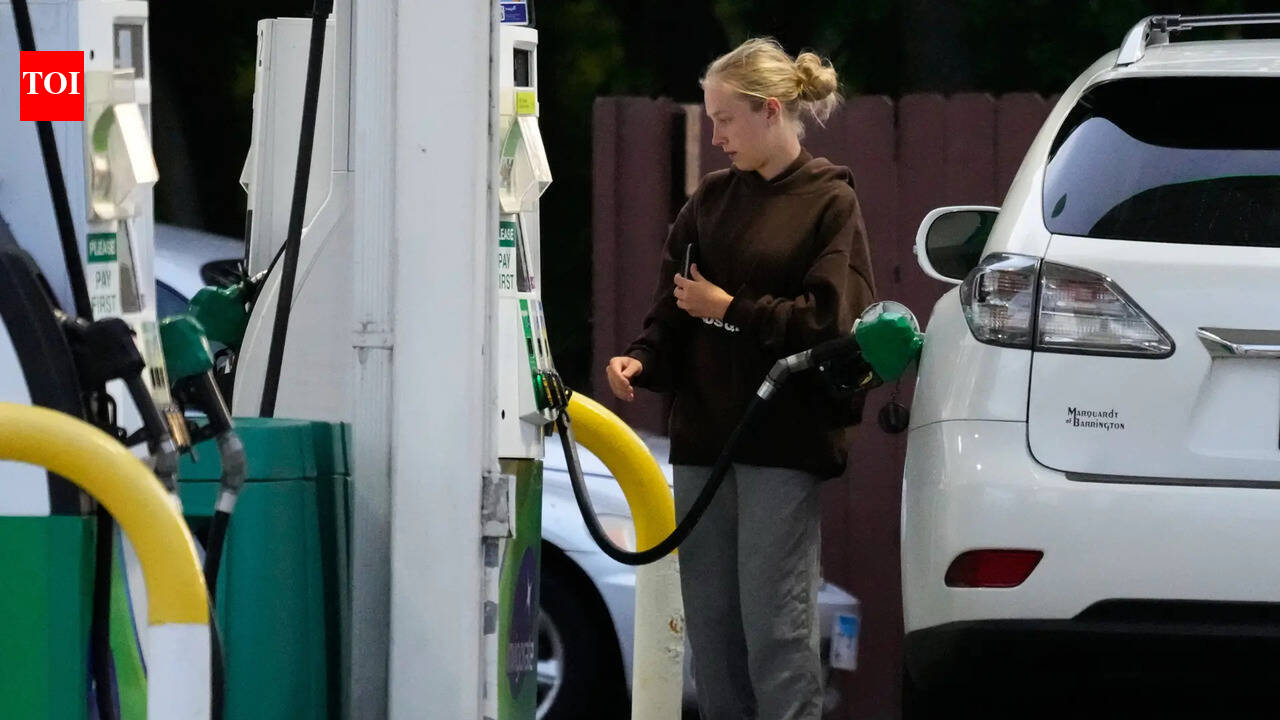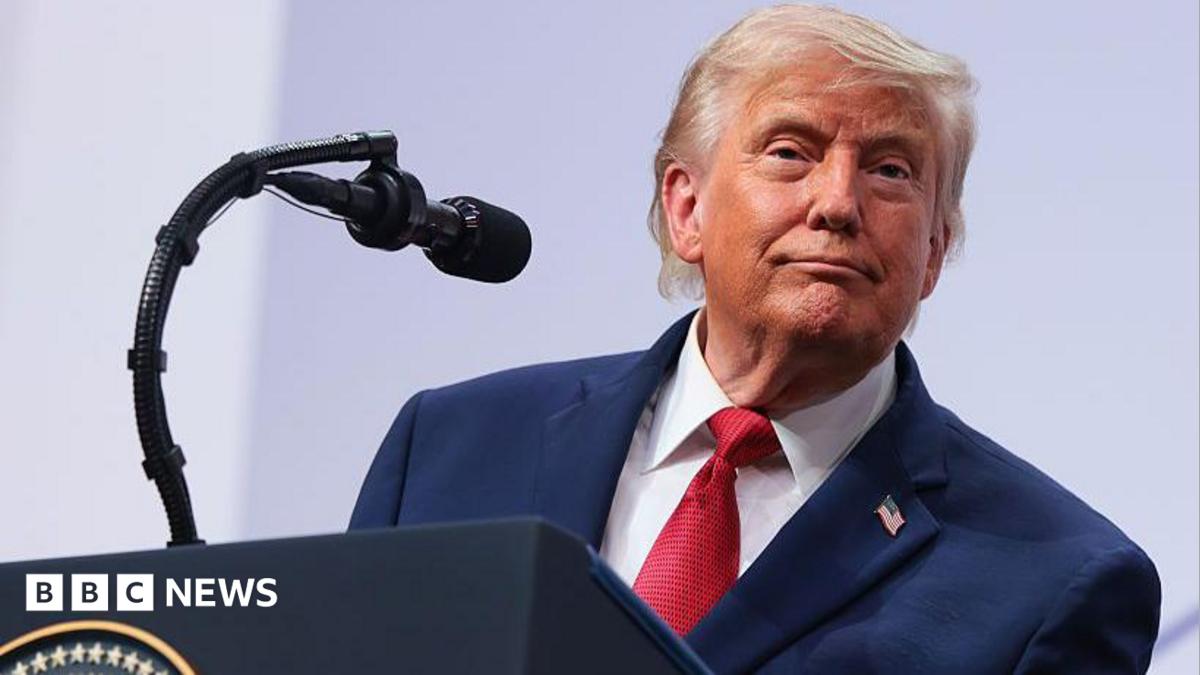
US President Donald Trump has ordered an investigation into major energy companies over allegations of petrol price gouging, according to a BBC report. Trump said on Wednesday that he has called on the Department of Justice (DOJ) to "immediately start looking into this" after the cost of crude oil fell on global markets. The move comes as Brent crude, the global oil benchmark, has retreated to around $76 a barrel from nearly $120 in May, but the average price of regular gasoline in the US remains at about $3.90 a gallon, well above pre-war levels.
Price Disparity and Political Pressure
Trump posted on social media: "The big Oil Companies are not dropping their price at the pump commensurate with the sharply lower prices they are paying for Oil... Those prices are dropping like a rock! In other words, customers are being 'gouged.'" He did not name any specific oil firms in the post. The BBC has contacted the DOJ and the White House for comment.
Geopolitical Supply Disruption
Oil prices have experienced dramatic swings since the US and Israel attacked Iran on 28 February. Tehran responded by effectively shutting the critical Strait of Hormuz waterway, severely disrupting shipments of oil and gas and sending energy prices sharply higher. Brent crude hit almost $120 a barrel in May. As peace talks progress, Brent has dropped to around $76, but that is still above the roughly $70 level before the conflict.
| Benchmark | May Peak | Current Price | Pre-Conflict |
|---|---|---|---|
| Brent crude | ~$120/bbl | ~$76/bbl | ~$70/bbl |
| US regular gasoline average | >$4/gal | ~$3.90/gal | Well above pre-war |
Implications for Commodity Markets
The DOJ probe adds regulatory risk for major energy companies, highlighting the political sensitivity of retail fuel pricing. For commodity traders and analysts, the key data point is the disconnect between crude oil and gasoline prices. With ongoing peace talks potentially reopening the Strait of Hormuz, Brent crude could face further downward pressure, though gasoline prices may remain sticky. The investigation underscores the importance of monitoring both geopolitical developments and government intervention in energy markets.
Sources: