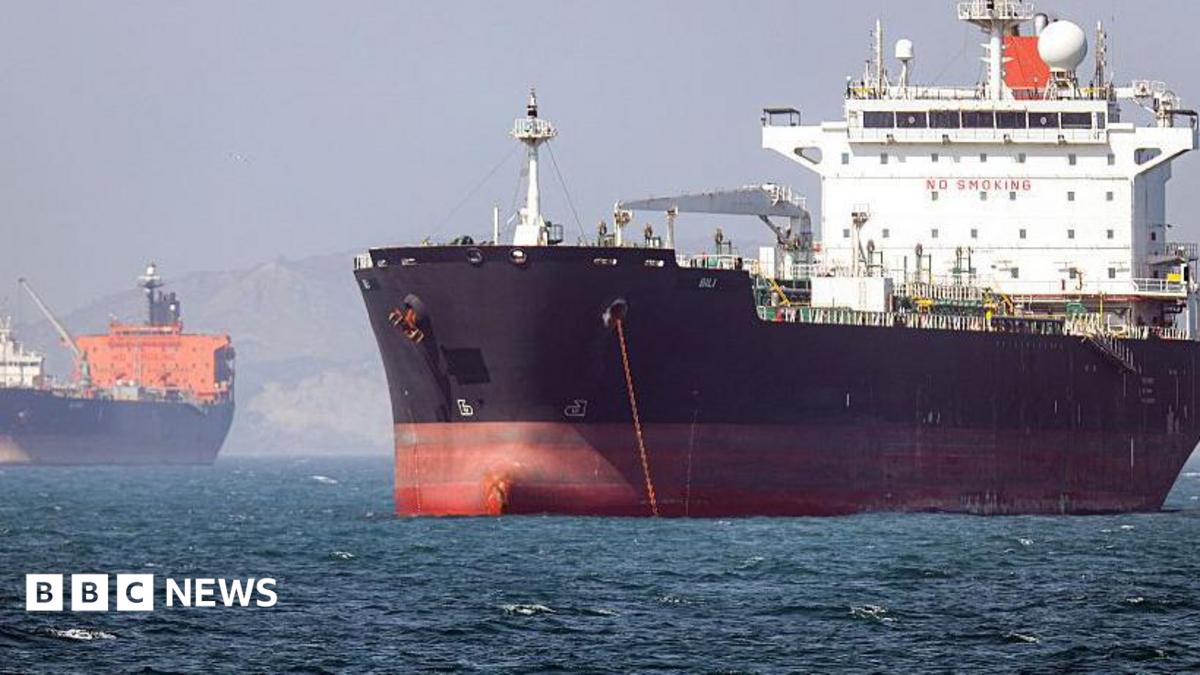
US gasoline prices have returned to the $4 per gallon mark following a flare-up in the Middle East, according to a report from the Times of India (TOI). The headline of the article states: 'US fuel prices rise: Gasoline returns to $4 per gallon after Middle East flare-up.' No additional details on price changes, timing, or affected regions were available in the extracted content.
Geopolitical Catalyst
The reported price move is attributed to a Middle East flare-up, a broad term that the source did not specify further. For commodity traders, such geopolitical tensions often translate into supply risk premiums, particularly for refined products like gasoline. The return to $4 per gallon represents a notable level, as it recalls previous periods of elevated fuel costs driven by regional instability.
Implications for Commodity Markets
For the target audience of commodity traders, procurement teams, and analysts, the $4 per gallon threshold serves as a key marker. While the source lacks week-over-week or year-over-year comparisons, the headline itself signals that geopolitical events remain a primary driver for energy prices. Market participants may now watch for further updates on Middle East developments, refinery operations, and inventory data from the US Energy Information Administration (EIA) to gauge whether this price level is sustained.
Supply and Demand Context
Based solely on the report, the price increase appears supply-driven, stemming from the Middle East flare-up. No demand-side factors are mentioned. The absence of specific details—such as the affected crude grades, ports, or export volumes—limits a deeper analysis. However, the broad reference to the Middle East suggests potential disruptions to oil production or transport routes that impact US gasoline supply. Traders will likely monitor for official data and company statements to validate the headline's implication.
In summary, while the TOI report provides only a headline-level statement, it underscores the sensitivity of US fuel markets to geopolitical shocks. For commodity professionals, the $4 per gallon level reinforces the need to track Middle East risks as a critical variable in energy price forecasts. Future EIA weekly petroleum status reports and OPEC+ consultations may offer further clarity on the sustainability of this price move.
Sources: