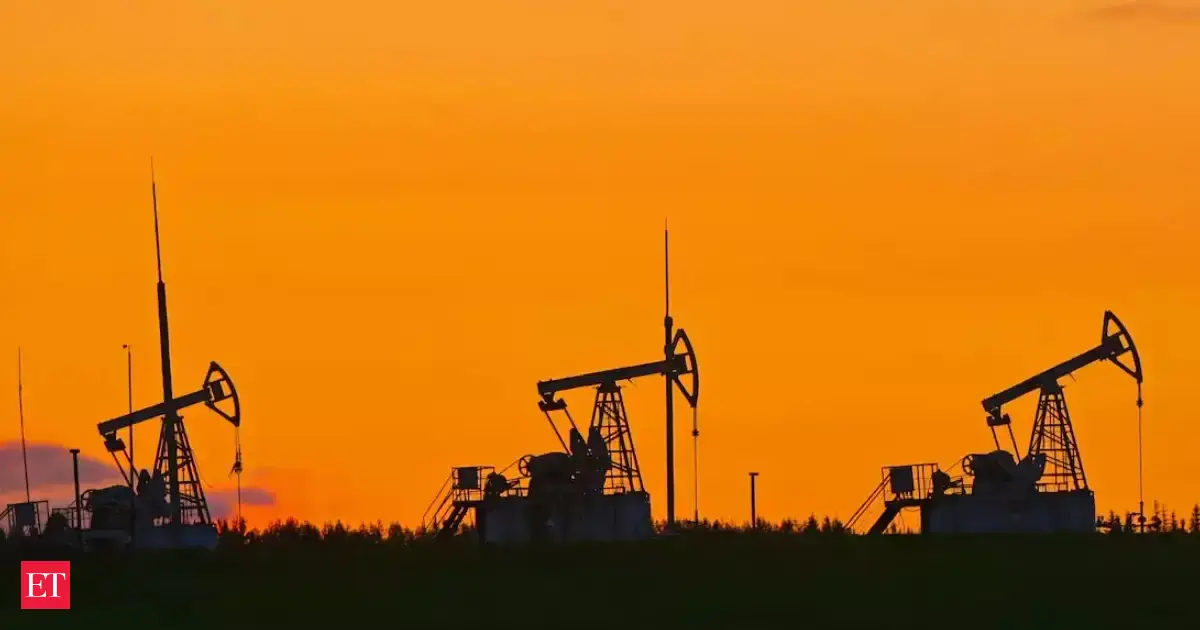
Venezuela is grappling with the aftermath of its strongest earthquakes in more than a century, at a time when its economy and energy sector are already under severe strain. The twin quakes have raised concerns among commodity traders and crude oil buyers, particularly in India, which has sharply increased imports from the country in recent months.
Twin Earthquakes Rock Venezuela
On Wednesday, a magnitude 7.2 earthquake struck about 160 km west of Caracas, followed less than a minute later by a magnitude 7.5 tremor, according to the US Geological Survey.
Venezuela’s interior minister Diosdado Cabello said more than 100 buildings had collapsed in the northern coastal state of La Guaira, with over 70,000 families affected. At least 235 people have been killed nationwide, according to Business Today reports. Cabello said the government was stepping up its response by increasing the number of personnel deployed in La Guaira from 4,200 to 11,500 to support rescue and relief operations.
UN humanitarian aid chief Tom Fletcher said search-and-rescue teams from around the world were continuing to arrive in Venezuela as the death toll rose. He said more than 4,300 people had been injured and thousands were still missing.
Oil Infrastructure Largely Spared
According to PDVSA sources and S&P Global reports, no major damage has been recorded at key production and refining facilities. The Morón Petrochemical Complex, the country’s second-largest, was temporarily shut. Local fire officials reported a leak in a storage tank, and personnel were restricted from entering the site while safety inspections were carried out. Authorities said the complex had begun restarting operations after checks found no serious structural damage.
At the El Palito refinery, an operator told Platts that “everything is normal at the refinery”, though no further details were provided. Reports from Falcón indicated that the Amuay and Cardón refineries remained stable, with no damage reported due to their distance from the epicentre. Other major facilities, including the Paraguana Refining Center and Puerto La Cruz refinery, also continued operations. The Jose export terminal, a key gateway for Orinoco crude shipments, remained unaffected.
In the upstream segment, operations across the Orinoco Belt and Maracaibo Basin, Venezuela’s main oil-producing regions, were reported to be continuing normally. International operators, including Chevron, also confirmed that their activities remained active and unaffected.
Power Grid Emerges as Key Concern
Despite the limited damage to oil infrastructure, Venezuela’s power grid has emerged as a concern. PDVSA sources told Platts, part of S&P Global Energy, that a blackout had hit central states, including Carabobo, Aragua and Yaracuy, after the quakes.
Most major oil facilities are located away from the worst-affected areas. However, power disruptions have raised uncertainty over whether Venezuela can sustain production at pre-earthquake levels of nearly 1.2 million barrels per day. With Morón restarting and El Palito still partially offline, authorities are continuing inspections and repairs.
India’s Growing Dependence on Venezuelan Crude
India, as part of efforts to diversify its crude basket, has sharply increased oil imports from Venezuela in recent months. Average monthly crude imports from the country rose from 64.027 TMT during FY 2025-26 to 1,047.148 TMT during April and May of FY 2026-27. During this period, Venezuela ranked among India’s largest crude suppliers.
The table below summarizes the surge in imports:
| Period | Average Monthly Imports (TMT) |
|---|---|
| FY 2025-26 | 64.027 |
| April-May FY 2026-27 | 1,047.148 |
Given Venezuela’s pre-earthquake production of nearly 1.2 million barrels per day and the uncertainty around power supplies, any sustained disruption could impact India’s crude supply chain. Traders will be watching for further updates on refinery restarts and power grid stability, as well as any potential force majeure declarations from PDVSA. The next key data release to watch is the weekly inventory report from the US Energy Information Administration (EIA), which could reflect initial supply adjustments.
Sources: