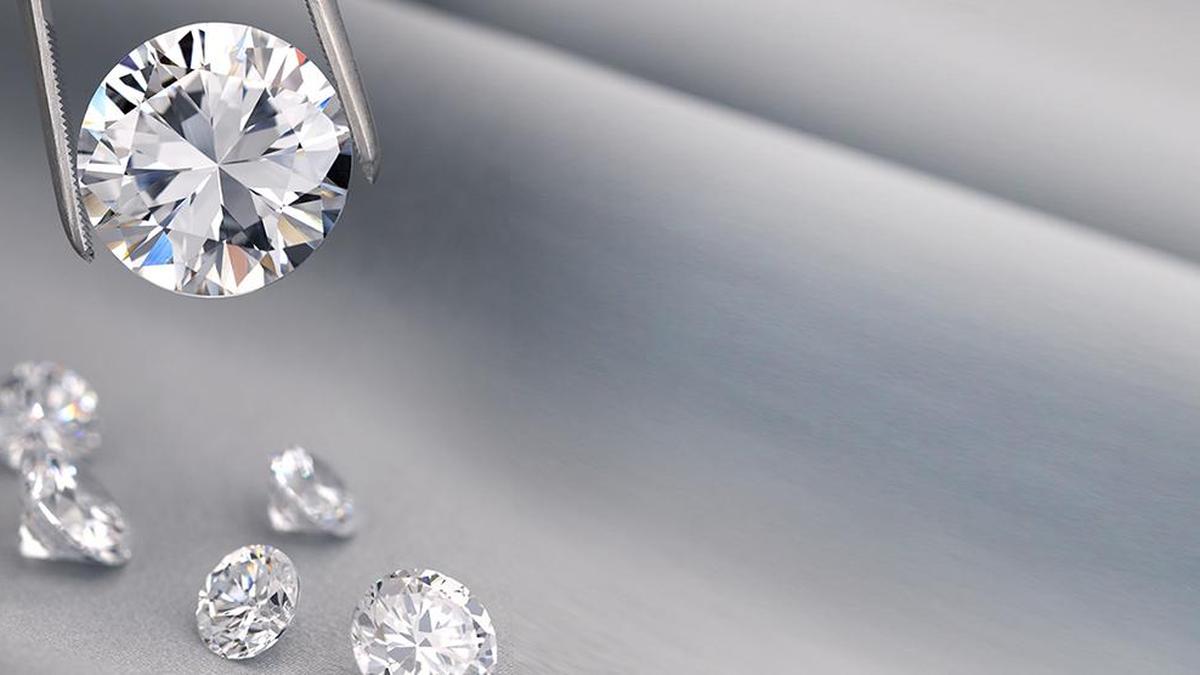
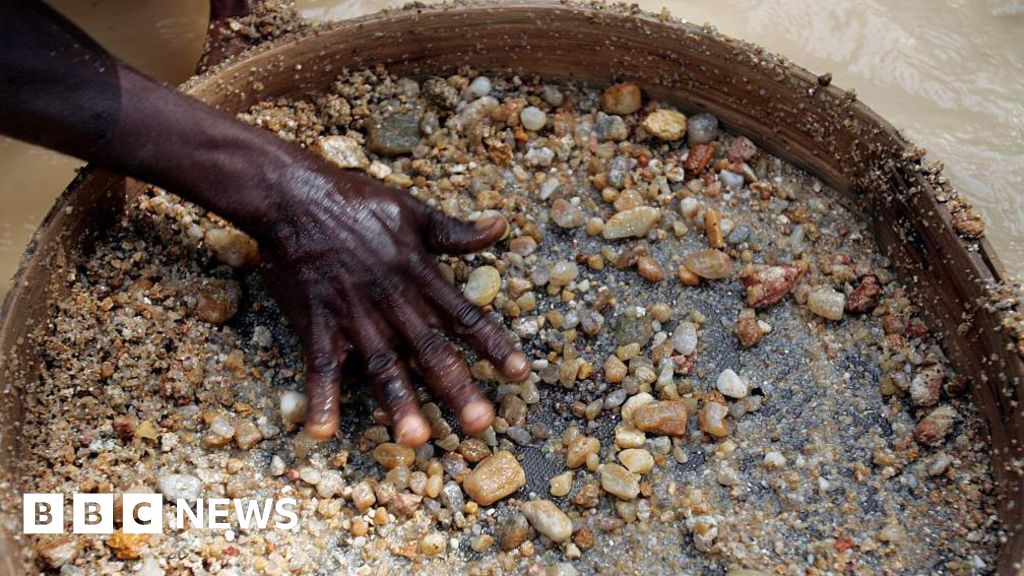
Mining giant De Beers is suspending production at South Africa's biggest diamond mine for two years, according to BBC Business, as changing consumer habits and competition from cheaper lab-grown gems continue to depress profits across the industry. The company announced the decision to close the Venetia mine, saying it needed to cut costs and streamline operations given the depressed state of the world diamond market.
Price Collapse and Demand Drivers
Diamond prices have fallen sharply in recent years, with the International Diamond Consultants' rough diamond price index almost halving since 2022, BBC Business reported. The decline is driven by fewer people buying diamonds, particularly in China, and stiff competition from much cheaper lab-grown gems. Consumers have also voiced ethical concerns about miners' pay, working conditions, and environmental damage, boosting the popularity of lab-grown alternatives.
Supply-Side Impact: Venetia Mine Closure
The Venetia mine, located in the far north of South Africa, accounts for more than 40% of the country's diamond production and employs more than 4,000 people, according to BBC Business. Workers' unions have previously warned against job losses in South Africa's mining sector, which employs almost half a million people and accounts for more than 4% of national GDP. De Beers has pledged to use the two-year downtime to make infrastructure more "efficient" with increased "capacity", ready to reopen production once market conditions improve.
| Key Fact | Detail |
|---|---|
| Mine | Venetia, South Africa’s largest diamond mine |
| Production share | >40% of South African diamond output |
| Employment | >4,000 workers |
| Suspension duration | Two years |
| Reason | Cost cutting, market depression |
Competitive Pressure from Lab-Grown Diamonds
Lab-grown diamonds have gained significant market share, appealing to consumers concerned about the ethical and environmental footprint of natural diamonds. De Beers itself has cashed in on this trend by producing its own lab-grown versions at a fraction of the price of natural stones, BBC Business noted. However, the overall market remains under pressure, with major producers scaling back operations.
Corporate Context: Anglo American’s Strategic Shift
De Beers is majority-owned by Anglo American, which is reportedly trying to sell the diamond business and shift focus to the growing copper market, fuelled by the recent AI boom. The company's long history, dating back to 1871 and founder Cecil Rhodes, remains a talking point in discussions about decolonising institutions that still bear his name, including scholarships at the University of Oxford.
Outlook
With rough diamond prices nearly halved since 2022 and demand weak, especially in China, the industry faces continued headwinds. The two-year pause at Venetia may help De Beers manage inventory and costs, but a recovery depends on improving consumer sentiment and stabilising competition from lab-grown diamonds. Traders and analysts will watch for further production cuts from other major producers and any signs of demand pickup from key markets.