The global diamond market is witnessing a significant shift as the price of natural diamonds continues to decline. On the London Metal Exchange (LME), the price of natural diamonds has fallen by 40% over the past four years, driven by the increasing popularity of lab-grown diamonds.
Market Dynamics
The closure of Koidu Holdings' mine in Kono, Sierra Leone, underscores the challenges faced by the natural diamond industry. The mine, once a major employer in the region, shut down following a labor dispute and declining diamond prices. Augustine Shekho, the governor of Kono, noted that the fall in diamond values has severely impacted local economies.
Supply Side Challenges
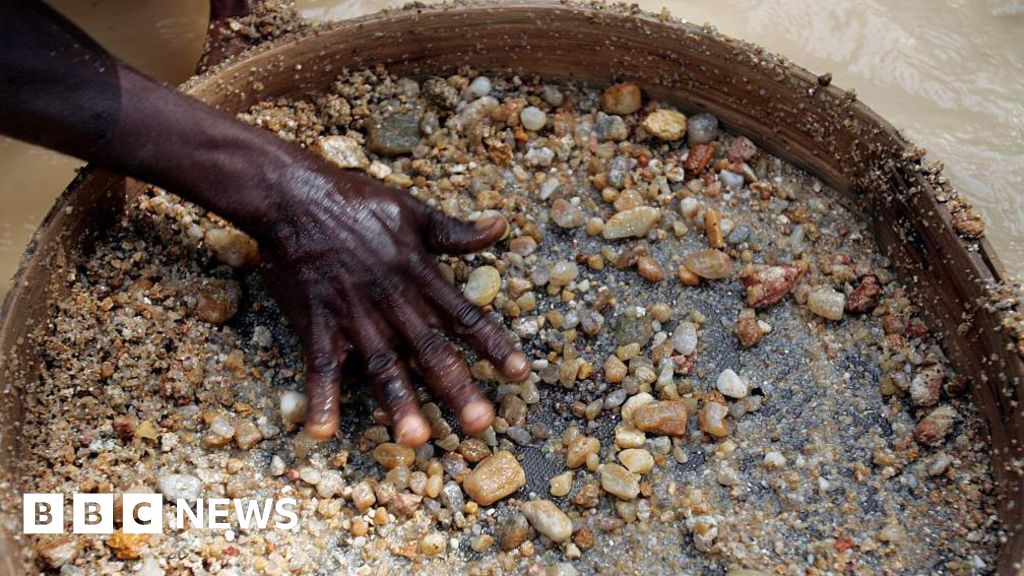
The supply of natural diamonds has been affected by the closure of major mines like Koidu Holdings. Informal mining has increased in the region, but yields remain low. Daniel, a foreman at a small-scale mine, expressed the difficulties faced by miners:
"It is by the grace of God that you find a diamond. We are just dreaming, really."
Demand for Lab-Grown Diamonds
Lab-grown diamonds, primarily produced in India and China using HPHT and CVD technologies, have gained traction due to their lower cost—up to 70% less than natural diamonds. This shift in consumer preference is reshaping the diamond market landscape.
Outlook
The outlook for natural diamond prices remains uncertain as lab-grown diamonds continue to capture market share. Upcoming data releases from the USDA and FAO on global diamond production and consumption trends will provide further insights.
| Year | Natural Diamond Price Change | Lab-Grown Diamond Market Share |
|---|---|---|
| 2019 | -10% | 20% |
| 2020 | -15% | 30% |
| 2021 | -5% | 40% |
| 2022 | -10% | 50% |