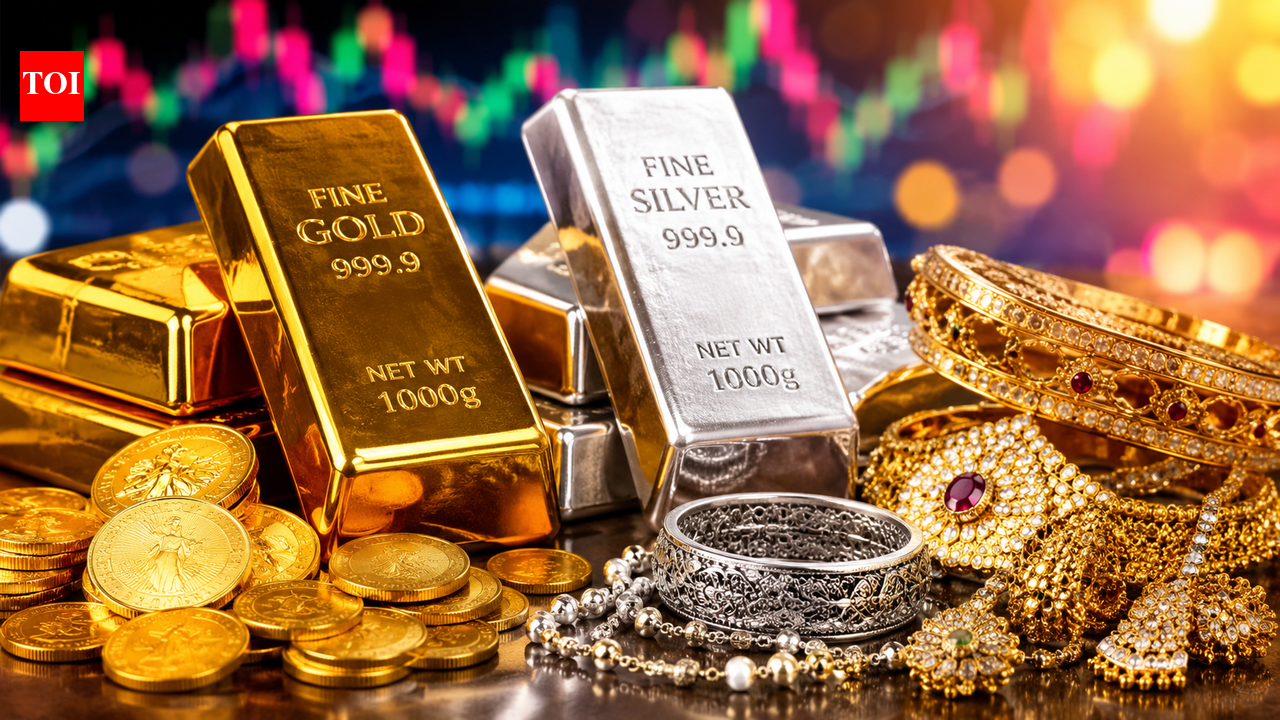
Gold and silver prices slumped on Thursday, with spot gold falling nearly 2% to around $3,984 an ounce — its lowest level in more than two weeks — while US gold futures also settled lower, according to The Times of India. The decline pushed bullion below the closely watched $4,000-an-ounce mark, highlighting how quickly macroeconomic developments can shift sentiment. Spot silver dropped 3.6% to $55.68 per ounce, while platinum fell 3.1% and palladium declined 4.1%.
Technical Outlook for MCX Silver
Despite the broad sell-off, MCX silver is showing signs of a potential recovery after the recent decline, with prices expected to rebound towards the Rs 227,000 mark in the near term, the report stated. The metal has a key support level around Rs 218,000, which is likely to limit further losses. Technical indicators point to improving prospects: like gold, most momentum oscillators for MCX silver have entered the oversold zone, suggesting the recent sell-off may have been excessive. Such conditions typically indicate that selling pressure is easing and could pave the way for fresh buying interest and short-covering. If this trend continues, silver prices may witness a gradual recovery over the coming sessions.
Broader Precious Metals Sell-Off
The weakness extended well beyond gold, with silver and platinum group metals posting even steeper losses. The broad-based sell-off reflected growing concerns that higher interest rates and a stronger dollar could weigh on demand across the precious metals complex. Investors reduced exposure not only to gold but also to other metals as market sentiment shifted towards interest-bearing assets. The move highlighted how macroeconomic developments can influence the entire precious metals basket rather than affecting gold alone.
Macroeconomic Drivers: Yields and Oil
The rise in US Treasury yields added another layer of pressure on gold prices. Benchmark 10-year Treasury yields moved higher as investors reassessed expectations for the Federal Reserve's policy path. Higher bond yields increase the returns available on fixed-income investments, making non-yielding assets such as gold comparatively less attractive. The Times of India reported that analysts noted the combination of stronger oil prices and expectations of persistent inflation contributed to the move higher in yields. As a result, investors shifted away from bullion despite ongoing geopolitical uncertainties. The reaction underscored the close relationship between the bond market and precious metals, particularly during periods when inflation and interest rate expectations dominate trading sentiment.
Geopolitical Tensions and Inflation Concerns
Escalating geopolitical tensions in the Middle East emerged as a major factor influencing bullion prices after concerns grew over potential disruptions to global energy supplies. Oil prices remained near a one-month high following reports that Iran had asked Yemen's Houthis to prepare for the possible closure of the Red Sea oil route if US strikes targeted Iranian power infrastructure. Higher crude prices typically raise inflation concerns, prompting investors to expect tighter monetary policy, reducing appeal for the yellow metal, which does not generate interest income. Instead of benefiting from safe-haven buying, bullion came under pressure as the market focused on the inflationary impact of higher energy prices.
Key Price Movements
| Commodity | Price Change | Current Level |
|---|---|---|
| Spot Gold | -2% | $3,984/oz |
| Spot Silver | -3.6% | $55.68/oz |
| Platinum | -3.1% | Not specified |
| Palladium | -4.1% | Not specified |
| MCX Silver (futures) | Recovering toward Rs 227,000 | Support at Rs 218,000 |
The decline in gold came as rising crude oil prices fuelled fears that inflation could remain elevated, reducing hopes of interest rate cuts. Since gold does not offer interest income, expectations of higher borrowing costs tend to make the metal less attractive compared to interest-bearing assets. The move also pushed bullion below the $4,000 mark, emphasizing the speed at which global macroeconomic developments can influence precious metals markets.
Sources: