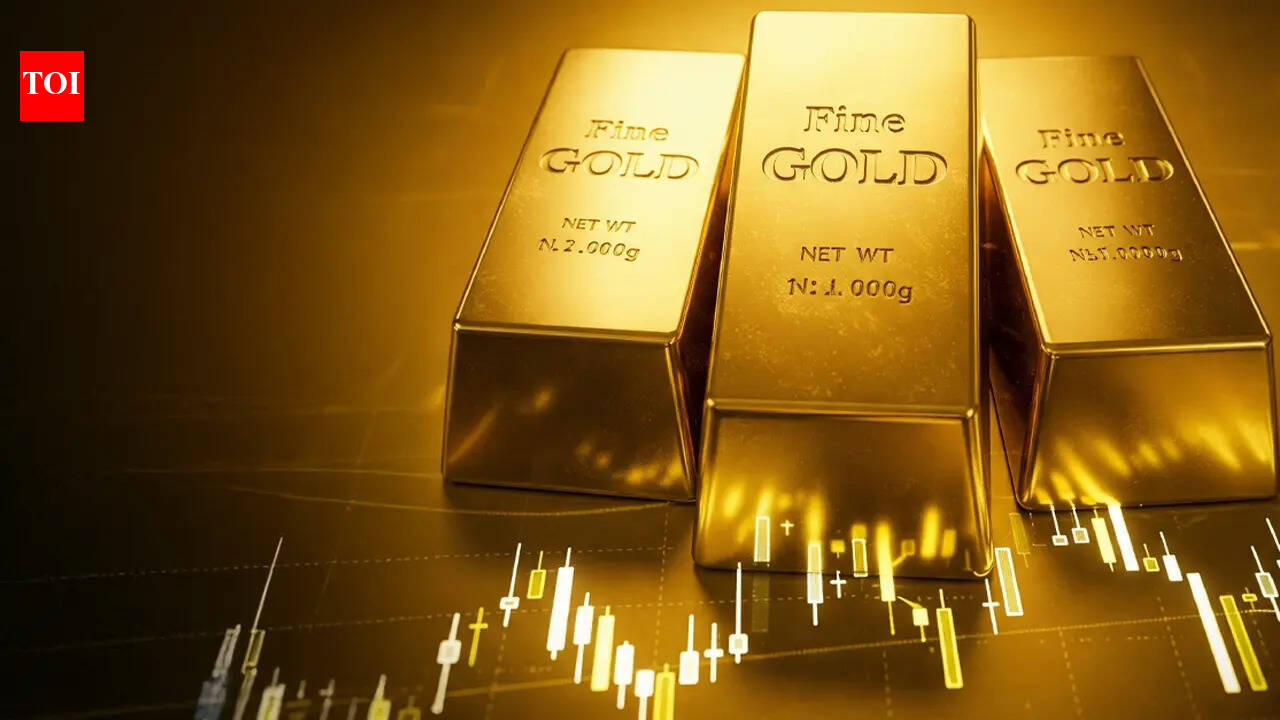
Gold prices fell to their lowest level in more than six months on Thursday before staging a partial recovery, according to a report in The Times of India. The precious metal settled at $4,219.69 after rebounding from its intraday low, as US President Donald Trump withdrew plans for military action against Iran and signaled that a peace agreement could be finalized as early as this weekend.
Geopolitical Context and Strait of Hormuz
The rebound in gold prices was directly linked to a shift in US-Iran tensions. The Times of India reported that Trump said on Thursday that Washington and Tehran may be able to finalise a peace deal as early as this weekend, potentially leading to the reopening of the Strait of Hormuz for shipping traffic. However, Iran stated that no final decision had yet been taken on any agreement.
The Strait of Hormuz is a critical chokepoint for global energy and commodity flows. Its reopening would reduce shipping transit times, lower insurance premiums, and ease supply chain bottlenecks for crude oil, liquefied natural gas, and other bulk commodities — including precious metals transported as bullion or in concentrate form.
Price Movement Summary
The article noted that gold touched its lowest level in more than six months on Thursday before recovering. The decline earlier in the week was attributed to high inflation, which stoked fears of further interest rate hikes by central banks. The following table summarises the key price data:
| Metric | Value |
|---|---|
| Weekly low (intraday) | Lowest in more than 6 months (exact value not specified) |
| Thursday closing price | $4,219.69 |
| Key driver for decline | High inflation raising rate hike expectations |
| Key driver for recovery | US-Iran peace talks, Strait of Hormuz reopening prospects |
Trade Flow and Corridor Implications
For international trade executives and logistics operators, the potential reopening of the Strait of Hormuz carries significant consequences. According to the report, the peace agreement could be finalised as early as this weekend. Should that occur, shipping traffic through the strait — which accounts for about 20% of global oil transit — would resume normal flows. This would lower freight costs for bulk shippers and reduce delays for goods passing through the Persian Gulf.
Gold importers and jewelers in major consuming markets such as India, China, and the Middle East may benefit from lower transportation costs if the strait reopens. Conversely, if the deal collapses, renewed tensions could spike safe-haven demand for gold, pushing prices higher again.
Sanctions and Export Controls
While the report did not detail specific sanctions, any US-Iran peace agreement would likely involve modifications to existing trade restrictions. Currently, US sanctions on Iran severely limit bilateral trade and financial transactions. A peace deal could pave the way for the gradual lifting of sanctions, opening new trade corridors for Iranian oil, petrochemicals, and metals. However, until a formal agreement is signed and implemented, businesses should closely monitor the official announcements.
Outlook for Precious Metals Traders
The report's headline indicated that gold prices are set for a weekly decline overall, despite the late-week rebound. The high inflation environment continues to pressure gold as an asset, since higher interest rates increase the opportunity cost of holding non-yielding bullion. For gold traders and risk managers, the near-term outlook remains split between bearish inflation-driven sentiment and bullish geopolitical risk.
The Times of India article concluded by noting that Iran stated no final decision had been taken on any agreement, leaving the door open for further volatility. The next key milestone will be the weekend talks between Washington and Tehran.
What to Watch
Trade professionals should watch for a formal announcement from the White House or Iranian authorities over the weekend. Any concrete progress on the peace deal could trigger a further sell-off in gold as risk appetite improves, while a breakdown would likely push prices back toward the recent low.
Sources: