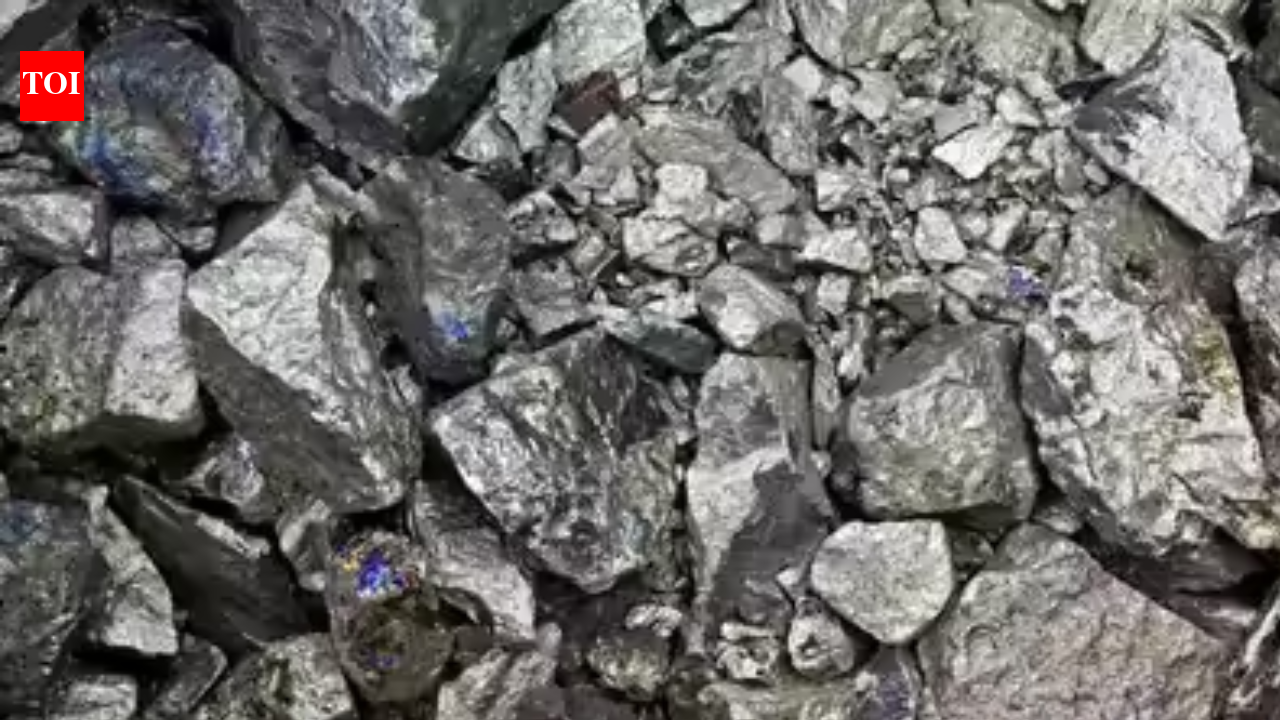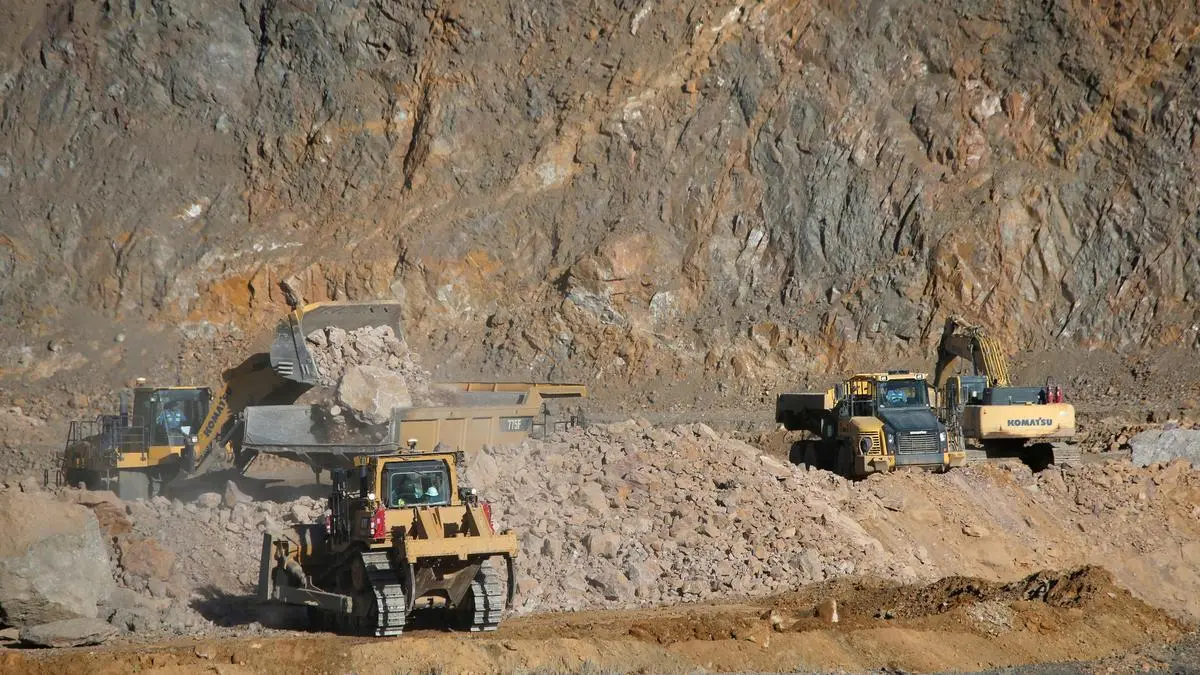
India and Myanmar are working to deepen cooperation in the rare earths sector, with New Delhi seeking alternative supplies of a strategic resource tightly controlled by China, according to a Reuters report in The Hindu Business Line. At a mining forum in Mandalay, India's Ambassador to Myanmar Abhay Thakur outlined the growing bilateral collaboration, stating that cooperation in the mining sector has gained significant momentum over the last two years.
Diplomatic Momentum
Two Indian delegations on rare earths and critical minerals have visited Myanmar — in December 2024 and February 2026, Thakur said. The matter has also received high-level attention during an official visit by junta chief-turned-president Min Aung Hlaing to India in May-June, according to Thakur. Thakur stated, "India's need for harnessing critical minerals, coupled with the benefits to Myanmar from sustainable mining, presents solid, win-win, short and long-term opportunities."
Supply Chain Implications
Nearly half the world's supply of heavy rare earths is extracted from mines in Myanmar's Kachin state, which are then shipped to China for processing into magnets that power electric vehicles and wind turbines, Reuters has reported. Reuters previously also reported that India has sought rare-earth samples via the rebel Kachin Independence Army (KIA), which controls Myanmar's main mining hubs near the Chinese border.
Indian Industry Engagement
At the Mandalay mining forum, Thakur said the Indian firms in attendance include IREL, NTPC Mining, Himadri Specialty, Oceanic Sands, PrNd Metal & Magnets, and Jai Puri Holdings. Thakur also said that "Midwest from India" has closely engaged with Myanmar in recent months and years, without specifying the nature of the involvement. Reuters has previously reported that the state-owned miner IREL and private firm Midwest Advanced Materials were among those involved in discussions to explore the collection and transportation of samples from mines under KIA control.
Outlook
The deepening ties signal India's push to secure critical mineral supplies outside China's near-monopoly on processing. For commodity traders and analysts, the development highlights potential shifts in rare earth supply chains, though no concrete output or pricing data has been released yet. Key upcoming events to watch include further delegation visits and any formal agreements that may emerge from the bilateral cooperation.
Sources: