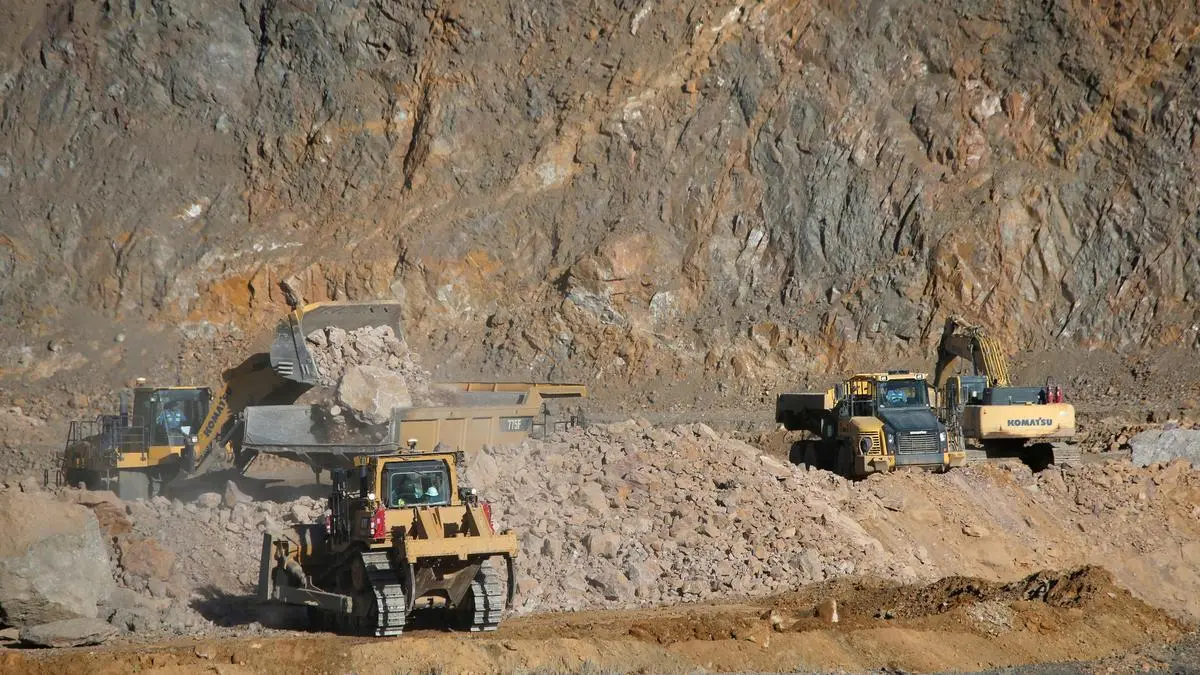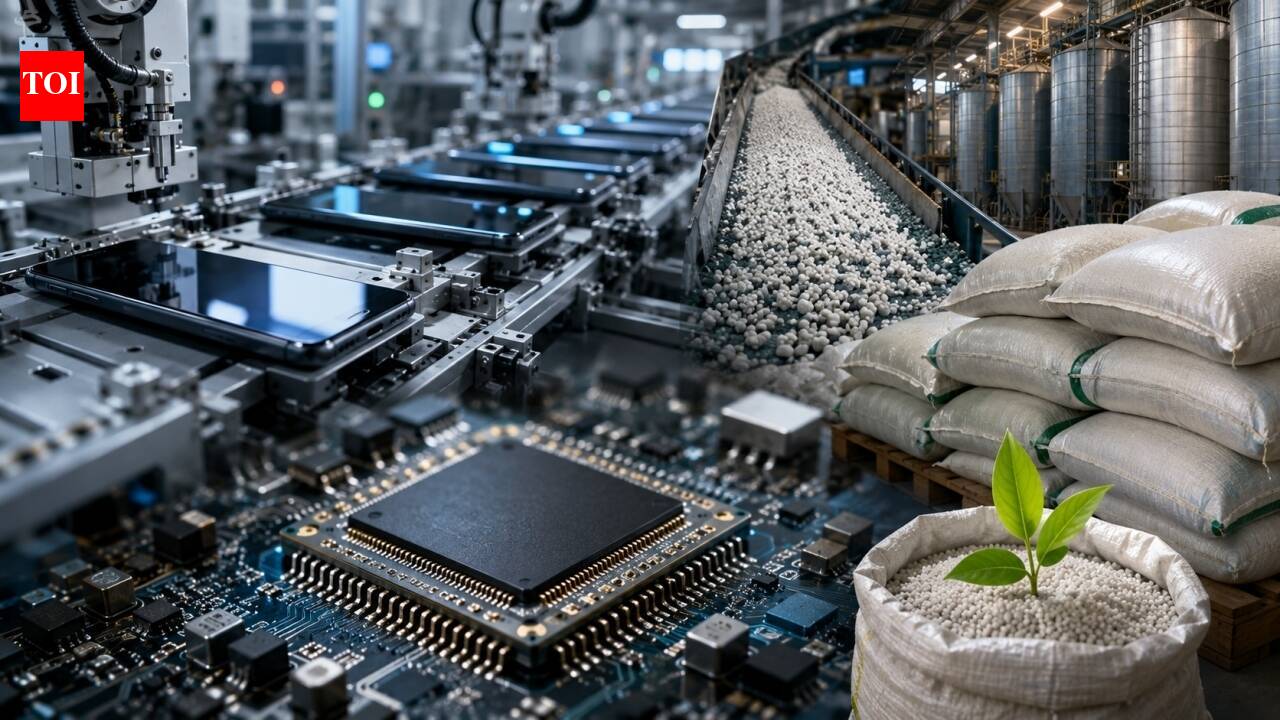
India is moving to anchor itself as a downstream processing hub for critical minerals, a strategy that directly affects global buyers of battery materials and electronics inputs who manage concentrated supply chains. Addressing the nation from the Red Fort on the 80th Independence Day, PM Modi said several countries were placing their trust in India as it works to strengthen access to critical minerals, according to the Economic Times.
The government is pursuing both domestic exploration and international partnerships to secure supplies of resources that underpin modern technology, manufacturing, energy transition, and national economic ambitions, the Economic Times reported. The push includes the National Critical Mineral Mission and a Critical Mineral Corridor announced in the budget.
"Discussion is taking place regarding critical minerals...The goals for critical minerals are being shared; we have launched the National Critical Mineral Mission. In the budget, we announced the Critical Mineral Corridor."
Processing Parks to Build Domestic Value Chains
The government plans to establish four dedicated critical mineral processing parks in Gujarat, Maharashtra, Andhra Pradesh and Odisha, according to the Economic Times. The parks are intended to accelerate value addition and develop integrated ecosystems around key battery materials and other critical minerals.
Individual facilities will specialise in specific elements, with lithium and nickel among the minerals being prioritised for the battery sector. The remaining critical minerals will also have downstream processing facilities developed as part of the programme.
| Initiative | Scope | Supply Chain Implication |
|---|---|---|
| National Critical Mineral Mission | National programme for critical mineral goals | Aligns mineral exploration and processing plans |
| Critical Mineral Corridor | Announced in the union budget | Creates a framework for mineral-linked infrastructure |
| Four processing parks | Gujarat, Maharashtra, Andhra Pradesh, Odisha | Localised value addition for battery materials |
| Priority minerals | Lithium, nickel | Feedstock for battery manufacturing |
Each park will house an integrated value chain for a designated mineral, the Economic Times reported, covering processing through downstream industries and allowing the complete value addition process to be carried out at a single location.
What This Means for Procurement Teams
For procurement and supply chain leaders, the creation of integrated processing parks signals a structural shift in where critical mineral conversion capacity will sit. Rather than shipping raw ores to distant processors, buyers may increasingly contract with single-location facilities that carry out the full processing chain, reducing the number of handoffs in the supply chain.
The policy also gives sourcing teams a new geographic option for diversifying supplier concentration. By establishing dedicated parks for lithium and nickel, India is positioning itself to serve both domestic battery producers and international buyers looking for alternative sources of processed minerals.
Because the facilities specialise by mineral, procurement teams can map their spend on battery metals to specific upcoming capacity in India. The location of individual parks and their designated minerals — beyond the priority given to lithium and nickel — will determine how buyers plan dual-sourcing strategies, supplier qualification timelines, and logistics routes.
Outlook for Global Supply Partnerships
PM Modi's remarks underline that India is coupling domestic exploration with international cooperation. The broader effort is part of India's strategy to secure supplies of resources considered strategically important for its technology, manufacturing, energy-transition and national economic ambitions, according to the Economic Times.
For CSCOs and VP Procurement, the immediate watch item is how quickly the four processing parks come online and which minerals are assigned to each location. Decisions on multi-year supply contracts, inventory buffers, and supplier qualification will depend on the operating timelines and output volumes of these facilities. The announcement itself, however, is a clear signal that India intends to become a named participant in the global critical minerals map.
Sources: