India is intensifying its strategic focus on securing critical minerals, rare earths, and semiconductor supply chains amid rising geopolitical uncertainties, according to a Business-Today report. The effort includes a new investment in Indonesia during Prime Minister Narendra Modi's visit and a network of partnerships spanning 35 countries.
PM Modi’s Indonesia Visit and New Investment
During his visit to Indonesia, PM Modi announced that India will invest in the manufacturing of steel, nickel, and rare earth permanent magnets in Indonesia. "In today's era, the supply chain resilience of technology holds great significance. An important agreement was reached to further strengthen the supply chain in the sectors of critical minerals and steel," Modi said. The prime minister added, "A new beginning is being made in partnerships between our companies regarding stainless steel and rare-earth magnets." This move is aimed at strengthening the critical mineral supply chain.
National Critical Mineral Mission (NCMM)
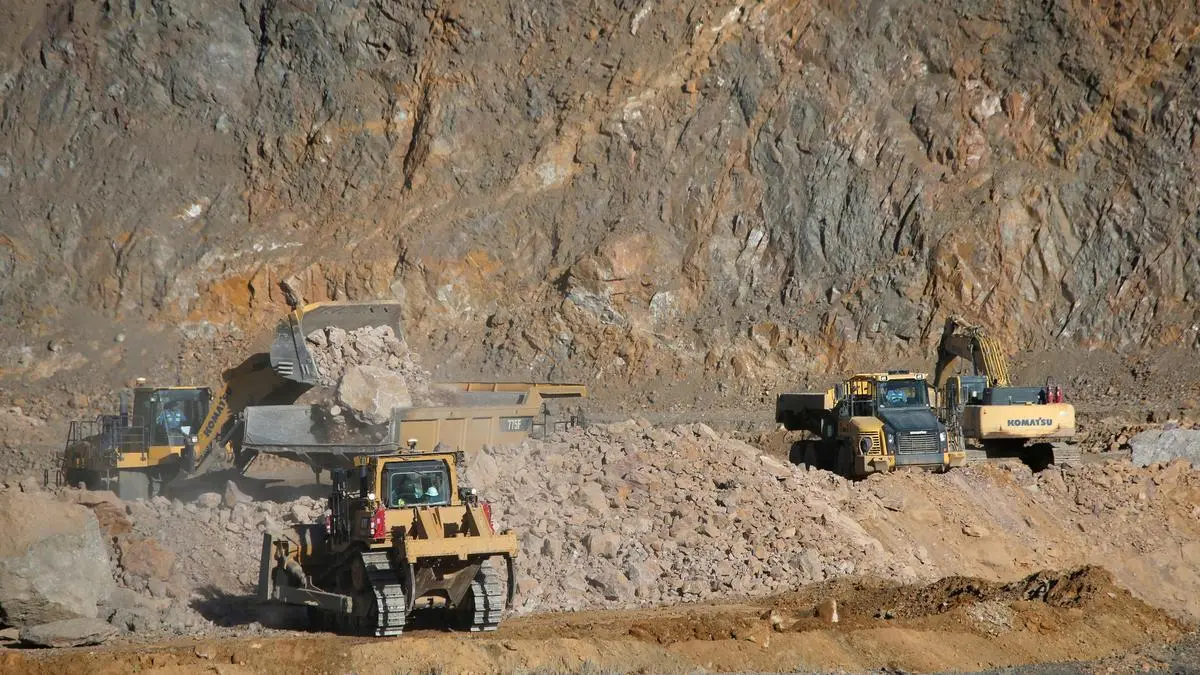
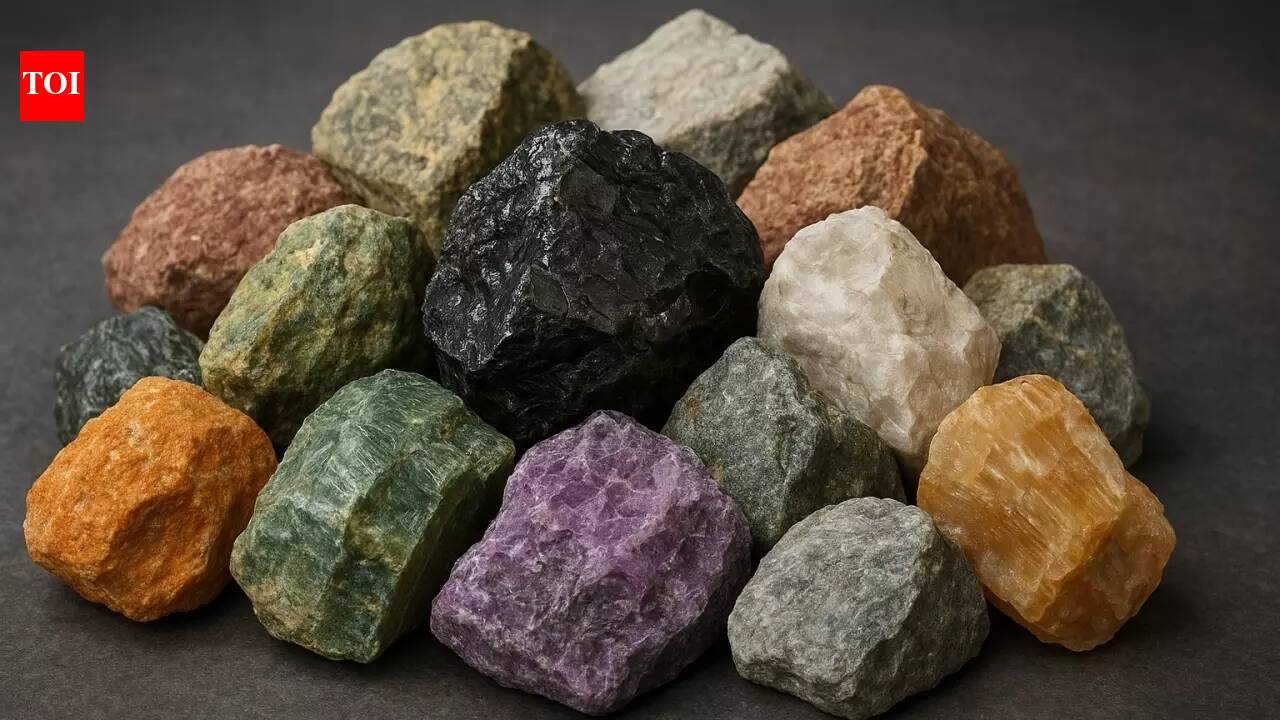
India launched the National Critical Mineral Mission (NCMM) in January 2025 for a seven-year period from 2024-25 to 2030-31. The mission goes beyond a conventional mining initiative, laying out a long-term strategy to strengthen India's energy security, accelerate industrial development, and enhance technological self-reliance. It covers minerals ranging from lithium, which powers electric vehicles, to rare earth elements used in defence technologies.
Global Partner Network of 35 Countries
In the last two years, India has "wired" 35 countries into a single grid for supply of rare earth, critical minerals, and chips. Notable partnerships include:
| Country | Pact/Cooperation |
|---|---|
| Canada | Critical Minerals Cooperation Pact |
| United Kingdom | Critical Minerals Supply Observatory |
| Germany | Critical Minerals, Semiconductor Cooperation |
| France | Joint Declaration On Critical Minerals |
| Italy | Rare Earths From E-Waste Recovery |
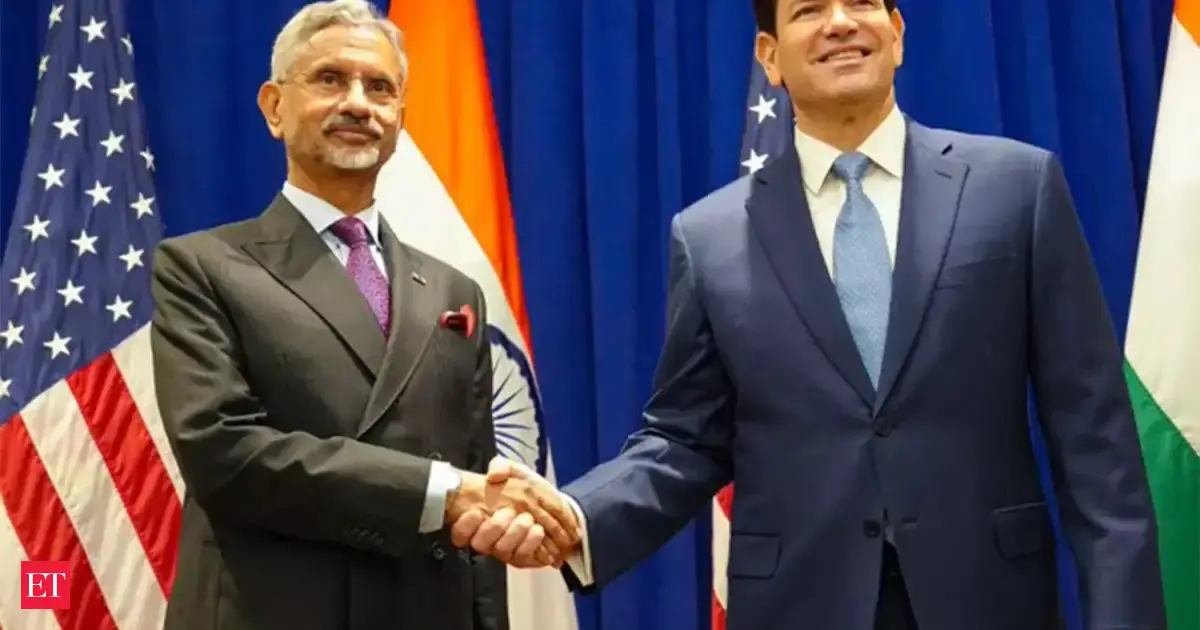
| United States | Critical Minerals, Rare Earths Framework |
| Brazil | Rare Earths, Critical Minerals Pact |
| Russia | Rare-Earth Magnet Technology Pact |
| Tajikistan | Central Asia Rare-Earth Forum |
| Japan | Mineral Exploration, Semiconductor Pacts |
| Israel | Critical Minerals Technology Partnership |
| Saudi Arabia | Critical Minerals In Mega-Deals |
| United Arab Emirates | Third-Country Mineral Exploration Pact |
| Myanmar | Rare Earths On Summit Agenda |
| Vietnam | Rare Earths Among Thirteen Pacts |
| Indonesia | Nickel, Critical Minerals Cooperation |
Strategic Importance of Critical Minerals
Critical minerals are resources essential for economic growth and national security, playing a crucial role in sectors such as clean energy, advanced electronics, transportation, telecommunications, and defence. They also support the global transition to a low-carbon economy. Since supply chains for these minerals are often vulnerable to disruptions, countries are increasingly working to secure reliable access to them.
The partnerships and the NCMM underscore India's recognition that supply chain resilience for critical minerals and semiconductors is a strategic imperative. For importers, exporters, and trade policy professionals, these developments signal a shift toward diversified sourcing and deeper bilateral cooperation in the critical minerals sector.
Sources: